
Understanding the fundamental classifications of animal diets is not merely an academic exercise; it forms a critical foundation for strategic content development, targeted product positioning, and effective audience segmentation within numerous commercial sectors. For SEO professionals, marketers, and content strategists, recognizing the distinctions between herbivores, carnivores, omnivores, and specialized feeders allows for the creation of highly relevant content that directly addresses specific user intent, whether that intent is informational, commercial, or transactional. This granular understanding enables the identification of niche markets, the development of precise keyword strategies, and the cultivation of topical authority, ultimately driving more qualified traffic and conversion opportunities.
Core Animal Diet Classifications and Their Market Implications
Each primary diet type represents a distinct set of biological needs, which translates directly into unique market demands and content opportunities. Analyzing these categories helps identify specific product categories, service offerings, and informational gaps to fill.
Herbivores: Targeting Plant-Based Niches
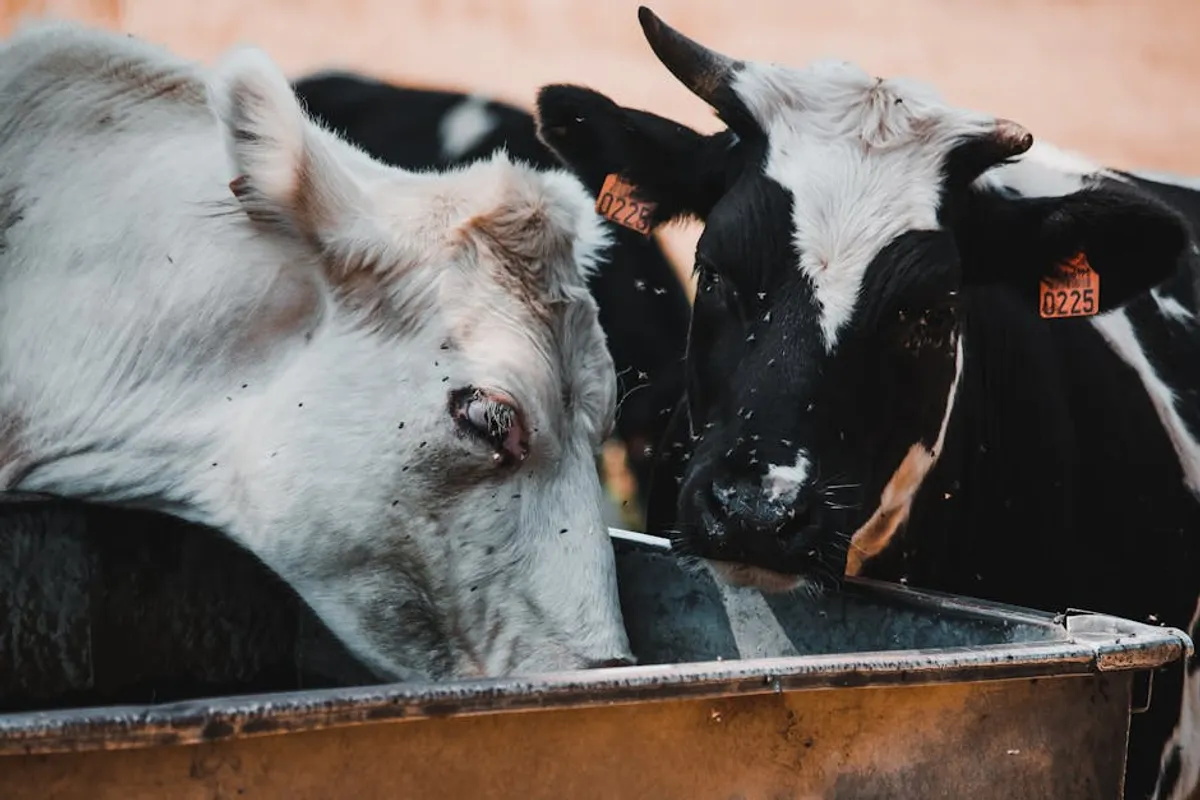
Herbivores are animals whose primary dietary intake consists of plants, including leaves, stems, fruits, seeds, and roots. This category encompasses a vast array of species, from large grazers like cattle and deer to smaller animals such as rabbits, guinea pigs, and many bird species.
- Definition: Organisms that consume only plant matter.
- Examples: Cows, sheep, rabbits, deer, certain bird species (e.g., finches), many insects.
- Commercial Relevance: This dietary type underpins significant markets. For pet owners, it drives demand for specialized plant-based pellets, hay, and fresh produce. For agricultural businesses, it dictates feed formulations and pasture management. Content opportunities include guides on "best hay for guinea pigs," "vegan diets for rabbits," or "sustainable grazing practices." Keyword clusters often revolve around "plant-based pet food," "fiber-rich animal feed," and "herbivore care guides."
Carnivores: High-Protein Market Segments
Carnivores are animals that primarily consume other animals, either through predation or scavenging. Their digestive systems are adapted to process meat, bones, and organs, requiring high protein and fat content in their diets.
- Definition: Organisms that consume only animal matter.
- Examples: Lions, tigers, wolves, domestic cats, eagles, sharks, many snakes.
- Commercial Relevance: The carnivore market is robust, particularly in the pet food industry, with a strong focus on high-protein, meat-first formulations, and raw feeding options. Brands can target keywords like "grain-free cat food," "raw dog food benefits," or "high-protein diets for active dogs." Beyond pets, this category informs content for wildlife conservation (e.g., "predator-prey relationships"), zoological care, and even niche hunting or fishing supply markets.
Omnivores: Broad Appeal and Diverse Product Lines
Omnivores are animals that consume both plant and animal matter. This adaptability allows them to thrive in diverse environments and exploit a wider range of food sources, making them a highly flexible dietary group.
- Definition: Organisms that consume both plant and animal matter.
- Examples: Humans, bears, raccoons, pigs, chickens, many dog breeds.
- Commercial Relevance: The omnivore category represents the largest and most diverse market segment, especially within the pet food industry for dogs. Products often emphasize "balanced nutrition" with a mix of proteins, grains, and vegetables. Content strategies can focus on "complete and balanced dog food," "healthy omnivore pet diets," or "nutritional requirements for backyard chickens." This broad appeal means a wider range of keyword opportunities, from general pet nutrition to specific breed-based dietary advice.
Specialized Diets: Unlocking Niche Content and Product Development
Beyond the core classifications, many animals exhibit highly specialized diets, which, while smaller in scale, offer unique opportunities for hyper-targeted content and product innovation. Understanding these micro-niches can unlock highly engaged audiences.
Insectivores, Piscivores, and Frugivores: Micro-Niche Opportunities
These specialized feeders hone in on very specific food sources, leading to distinct biological adaptations and, consequently, highly specific product and content needs.
- Insectivores: Animals that feed primarily on insects (e.g., anteaters, hedgehogs, many bird species, chameleons).
- Content Focus: "Insect-based pet food," "feeding guides for insectivorous reptiles," "attracting beneficial insectivores to your garden."
- Product Potential: Specialized insect-based pet foods or supplements, live insect feeders.
- Piscivores: Animals that feed primarily on fish (e.g., many species of seals, otters, ospreys, penguins).
- Content Focus: "Fish-heavy diets for aquatic pets," "sustainable fishing practices for piscivores," "nutritional benefits of fish oil for animals."
- Product Potential: Specialized fish-based feeds for exotic pets, high-quality fish oil supplements.
- Frugivores: Animals that feed primarily on fruit (e.g., many primate species, fruit bats, some birds).
- Content Focus: "Fruit-rich diets for exotic birds," "safe fruits for primates," "natural fruit supplements for animals."
- Product Potential: Dried fruit mixes for exotic pets, fruit-flavored treats, natural sugar alternatives in animal feeds.
Pro Tip: When researching keyword opportunities related to animal diets, don't stop at broad terms. Use tools to uncover long-tail queries that include specific animal names combined with diet-related terms (e.g., "what do red pandas eat," "best chameleon insect diet," "vegan dog food for sensitive stomachs"). These queries indicate high user intent and offer less competitive content niches.
Leveraging Diet Types for Content Strategy and Audience Engagement
For marketers and content creators, understanding animal diet types translates into actionable strategies across the content lifecycle:
Audience Segmentation: Clearly define target audiences based on the animals they own, care for, or are interested in. A rabbit owner's dietary concerns differ vastly from a cat owner's.
Keyword Research Expansion: Move beyond generic terms to specific dietary needs. For a pet food brand, this means researching "raw cat food for urinary health" instead of just "cat food." For an educational site, it could be "how do herbivores digest cellulose."
Product Development Insight: Identify gaps in the market. Are there underserved niches for specific insectivore or frugivore pet foods? Can existing products be reformulated to better meet specific dietary requirements?
Content Mapping: Align content types with user intent.
- Informational: Blog posts, encyclopedic entries, "how-to" guides on feeding specific animals.
- Commercial: Product reviews, comparison articles, "best food for X" lists.
- Transactional: Optimized product pages, clear calls to action for purchasing.
Topical Authority Building: Consistently producing high-quality, detailed content around various animal diet types establishes your platform as an authoritative source, improving search engine visibility and user trust.
Strategic Content Planning Based on Animal Diets
Integrating animal diet classifications into your content strategy provides a structured approach to market analysis and content creation. By dissecting the specific nutritional requirements and feeding behaviors of different animal groups, you can pinpoint precise audience segments, develop highly relevant product offerings, and craft compelling content that resonates directly with user needs. This granular approach ensures that your content not only ranks well but also serves a genuine commercial purpose, converting informed interest into tangible business outcomes.
Frequently Asked Questions
How do animal diet types influence pet food product development? Animal diet types directly dictate ingredient selection, nutritional profiles, and product claims. For instance, carnivore pet foods emphasize high-protein meat sources, while herbivore pet foods focus on fiber-rich plant materials and specific vitamin supplementation.
What kind of content performs best for specialized animal diets? Highly specific, problem-solving content, such as detailed feeding guides, ingredient breakdowns, and troubleshooting articles for rare or exotic pets, typically performs well. Users seeking information on specialized diets often have very particular needs.
Can understanding animal diets help with keyword research for non-pet industries? Yes, beyond pet care, understanding animal diets is crucial for sectors like wildlife conservation, zoological institutions, agricultural feed production, and even educational platforms. It helps identify keywords related to ecosystem health, animal behavior, and sustainable farming practices.
Why is user intent critical when creating content about animal diets? User intent determines the format and depth of your content. An informational query (e.g., "what do pandas eat") requires a factual, educational article, while a commercial query (e.g., "best food for senior dogs") demands product comparisons and recommendations. Aligning content with intent ensures relevance and higher engagement.