
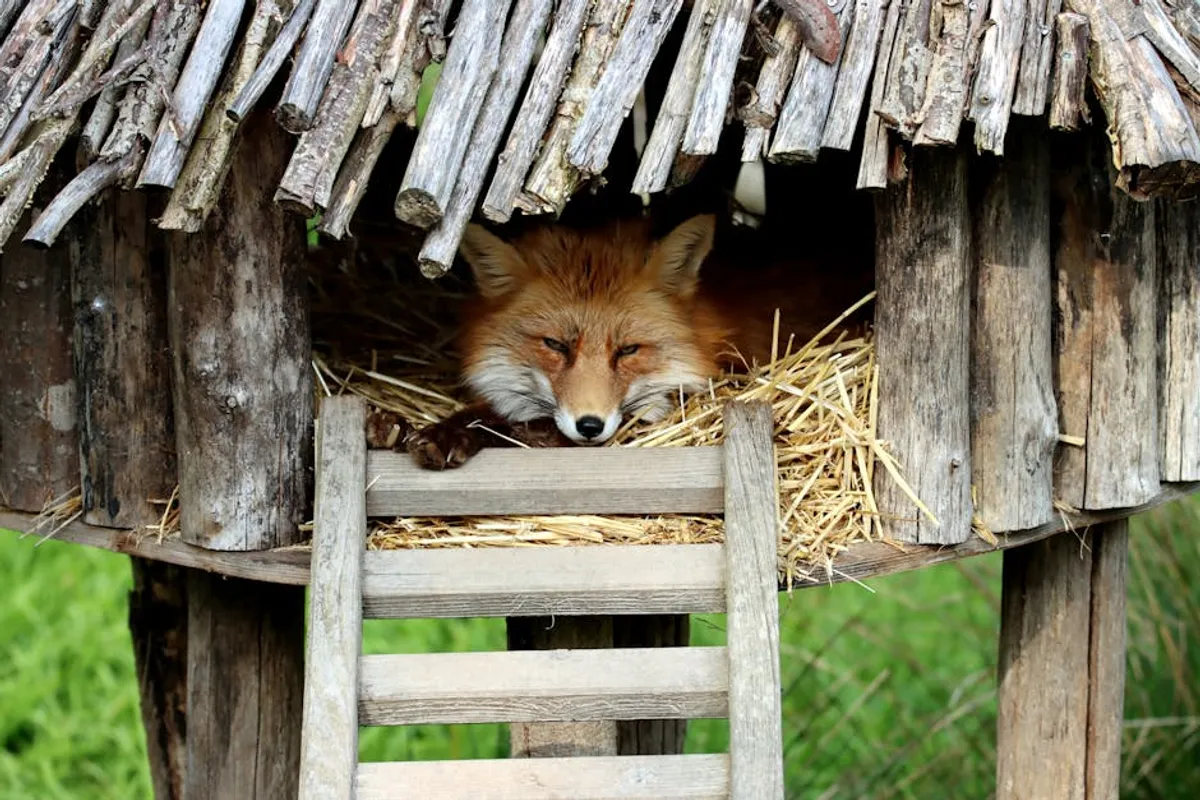
Understanding animal habitats transcends simple biological classification; for content creators, marketers, and SEO professionals, it represents a foundational framework for developing targeted, authoritative, and commercially valuable content. A well-constructed animal habitat guide serves not only to educate but also to capture specific audience segments interested in conservation, education, ecotourism, pet care, or scientific research. This involves dissecting the core components of a habitat, recognizing the environmental drivers, and strategically aligning these insights with search intent.
Defining Animal Habitats and Their Core Components
An animal habitat is the natural environment where an organism lives, providing everything it needs to survive, reproduce, and thrive. This includes both biotic (living) and abiotic (non-living) factors. From an ecological perspective, a habitat is not merely a location but a dynamic system of resources and conditions that dictate an animal's presence and success. For content creation, detailing these components offers specific keyword opportunities and deepens audience understanding.
Key components typically include:
- Food Sources: The availability of appropriate prey, plants, or other organic matter necessary for energy and nutrition. This varies significantly by species, from herbivores to carnivores and omnivores.
- Water: Essential for hydration, thermoregulation, and various metabolic processes. Access to fresh or saltwater sources dictates the viability of many habitats.
- Shelter: Protection from predators, harsh weather conditions, and a safe place for rest and raising young. This can range from burrows and nests to dense foliage or rock crevices.
- Space: Sufficient territory for foraging, mating, and avoiding competition. The required area can vary from a few square meters for small insects to vast territories for large predators.
- Climate and Temperature: The prevailing weather patterns and temperature ranges that an animal is physiologically adapted to.
- Vegetation: The specific plant life that provides food, shelter, and nesting materials, often dictating the presence of certain animal species.
Diverse Types of Animal Habitats
Habitats are broadly categorized by their dominant physical characteristics and the types of organisms they support. Recognizing these distinctions is crucial for structuring content, as each category appeals to different search queries and user intents.
Major habitat classifications:
- Terrestrial Habitats: These are land-based environments.
- Forests: Characterized by dense tree cover, offering varied niches from the canopy to the forest floor. Examples include tropical rainforests, temperate deciduous forests, and boreal forests (taiga).
- Grasslands: Dominated by grasses, supporting grazing animals. Examples include savannas, prairies, and steppes.
- Deserts: Arid regions with low precipitation, home to specially adapted plants and animals. Examples include hot deserts (Sahara) and cold deserts (Gobi).
- Mountains: High-altitude regions with varying climates and vegetation zones, from alpine meadows to snow-capped peaks.
- Tundra: Cold, treeless biomes found in Arctic and high-mountain regions, characterized by permafrost.
- Aquatic Habitats: Water-based environments.
- Freshwater: Includes rivers, lakes, ponds, and wetlands. Supports species adapted to low salinity.
- Marine: Encompasses oceans, seas, coral reefs, and estuaries. Characterized by high salinity and vast biodiversity.
- Other Specialized Habitats:
- Arboreal: Environments primarily in trees (e.g., monkeys, sloths).
- Fossorial: Underground environments (e.g., moles, gophers).
- Aerial: Environments primarily in the air (e.g., birds, bats).
Factors Influencing Habitat Suitability and Distribution
The suitability of a habitat for a particular species is determined by a complex interplay of environmental factors. For content creators, highlighting these interactions provides depth and addresses more nuanced search queries related to ecological relationships and biodiversity.
Key influencing factors:
Climate and Weather Patterns: Temperature, precipitation, humidity, and seasonal changes directly impact resource availability and an animal's physiological limits. For example, species in polar habitats possess adaptations like thick fur or blubber, while desert animals have mechanisms to conserve water and tolerate extreme heat.
Geographical Features: Altitude, latitude, topography (mountains, valleys, plains), and proximity to coastlines all shape local climates and resource distribution. Mountain ranges can create rain shadows, influencing vegetation and, consequently, animal populations on either side.
Vegetation and Soil Composition: The types of plants present dictate food sources, shelter, and nesting sites. Soil quality influences plant growth, which in turn affects the entire food web. Specific content can focus on how certain plant communities define a habitat, such as bamboo forests for pandas.
Availability of Resources: Beyond food and water, this includes specific minerals, nesting materials, or even unique microclimates within a larger habitat. Scarcity of any critical resource can limit population size or force migration.
Predator-Prey Dynamics: The presence and abundance of predators and prey species significantly influence habitat use. Animals often select habitats that offer camouflage or escape routes from predators, while predators follow their food sources.
Human Impact: Deforestation, urbanization, pollution, and climate change are increasingly altering and destroying natural habitats, forcing species to adapt, migrate, or face extinction. Content on conservation often centers on mitigating these impacts.
Pro Tip: When developing content about animal habitats, prioritize scientific accuracy and cite credible sources. Misinformation, especially regarding endangered species or sensitive ecosystems, can undermine authority and negatively impact user trust. Focus on verifiable data from ecological studies, reputable conservation organizations, and academic institutions to build robust, trustworthy resources.
Leveraging Habitat Knowledge for Content Strategy
Understanding animal habitats provides a rich foundation for diverse content types, each targeting specific commercial or informational needs. This knowledge allows for precise keyword targeting and audience segmentation.
Educational Content:
Best for: Teachers, students, researchers, nature enthusiasts.
Create detailed guides on specific habitats (e.g., "The Ecosystems of the Amazon Rainforest"), species-habitat relationships (e.g., "How Polar Bears Survive in Arctic Habitats"), or interactive resources explaining ecological principles. This content can drive organic traffic through long-tail educational keywords.
Conservation and Awareness Campaigns:
Best for: Non-profits, environmental agencies, responsible tourism operators.
Develop content highlighting threatened habitats and species (e.g., "Protecting Coral Reefs: A Guide to Marine Conservation"), detailing human impacts, and offering solutions or calls to action. This can attract audiences passionate about environmental causes and willing to support related initiatives.
Ecotourism and Travel Guides:
Best for: Travel agencies, tour operators, wildlife lodges.
Craft guides that describe specific destinations based on their unique habitats and the wildlife they support (e.g., "Safari Destinations: Exploring the African Savanna"). Focus on what makes each habitat special, what animals can be seen, and how to visit responsibly, driving bookings and inquiries.
Pet Care and Product Development:
Best for: Pet supply companies, exotic pet breeders, veterinary clinics.
Produce content on recreating natural habitats for captive animals (e.g., "Building an Ideal Terrarium for Your Leopard Gecko"). This directly supports product sales for enclosures, substrates, lighting, and food specific to an animal's natural environment.
Scientific and Research Publications:
Best for: Academic institutions, scientific journals, research organizations.
Publish findings, reviews, or summaries of research related to habitat dynamics, species distribution, or climate change impacts. This positions the content as authoritative within scientific communities.
Optimizing Habitat-Focused Content for Search Engines
Effective SEO for habitat content involves more than just keyword stuffing; it requires a structured approach to satisfy user intent and demonstrate topical authority.
Keyword Research and Intent Matching: Identify both broad keywords (e.g., "desert animals," "marine habitats") and specific long-tail queries (e.g., "adaptations of fennec foxes in the Sahara," "impact of ocean acidification on coral reefs"). Categorize intent: informational (what is it?), navigational (where is it?), or commercial (how can I help/buy?).
Structured Data and Schema Markup: Implement relevant schema types like Article, EducationalOrganization, or even Place for specific reserves. This helps search engines understand the context and content type, potentially enhancing visibility in rich results.
Visual Content Optimization: Habitats are inherently visual. Optimize images and videos with descriptive alt text, captions, and relevant filenames. High-quality visuals of diverse habitats and their inhabitants can significantly improve engagement and search performance in image and video results.
Internal Linking and Topical Authority: Build a robust internal linking structure connecting related habitat guides, species profiles, and conservation articles. This signals topical depth and authority to search engines and helps users navigate related content easily.
External Citations and Backlink Strategy: Reference and link to authoritative external sources (e.g., IUCN Red List, scientific journals, government environmental agencies). Pursue backlinks from educational institutions, conservation groups, and relevant industry publications to bolster domain authority.
Practical Applications and Future Content Opportunities
The detailed understanding of animal habitats enables a strategic approach to content creation that is both informative and commercially viable. By focusing on the specific needs of various audiences—from students and educators to ecotourists and conservationists—publishers can develop highly targeted content that resonates and performs well in search.
Future content efforts can explore niche habitat topics like urban wildlife habitats, microhabitats within larger ecosystems, or the impact of emerging technologies on habitat monitoring and preservation. Each of these areas presents unique keyword opportunities and audience segments, allowing for continuous expansion of topical authority.
Frequently Asked Questions About Animal Habitats
What is the primary difference between a habitat and an ecosystem?
A habitat is the specific natural environment where an organism lives, providing its basic needs. An ecosystem is a broader concept, encompassing all living organisms (biotic factors) and their non-living physical environment (abiotic factors) interacting as a system within a given area. A habitat is essentially a component of an ecosystem.
How do human activities most commonly impact animal habitats?
Human activities primarily impact animal habitats through deforestation and land-use change for agriculture or urbanization, pollution (air, water, soil), climate change leading to habitat shifts or destruction, and the introduction of invasive species that outcompete native wildlife.
Why is habitat conservation considered crucial for biodiversity?
Habitat conservation is crucial because it protects the specific environments where species live, ensuring they have the necessary resources and conditions to survive and reproduce. Preserving habitats directly prevents species extinction, maintains genetic diversity, and supports the complex ecological interactions that underpin healthy ecosystems.
Can animals adapt to significant changes in their natural habitats?
Some animals possess a degree of adaptability to environmental changes, particularly those with broad ecological tolerances. However, rapid or extensive habitat alterations often exceed a species' adaptive capacity, leading to population declines, forced migration, or local extinction, especially for specialized species.