
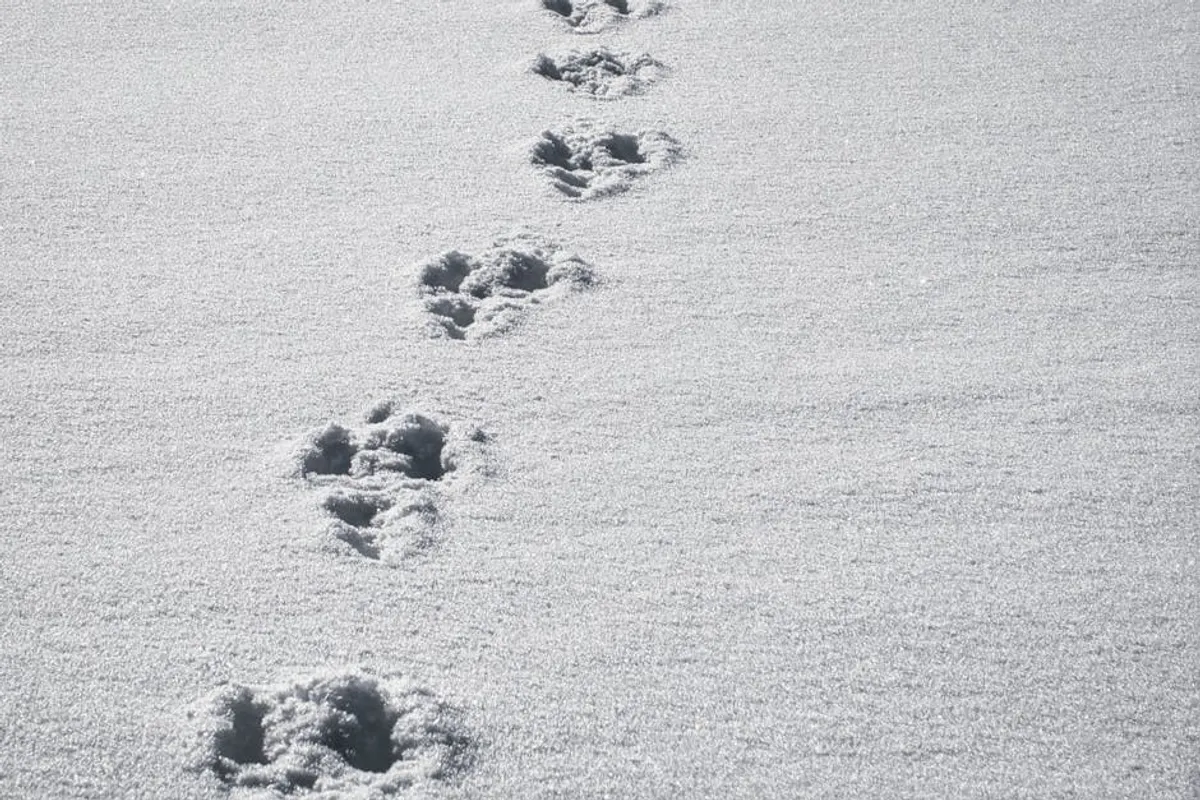
Understanding animal tracks provides a direct window into the hidden lives of local wildlife. This guide focuses on the systematic observation and interpretation of track characteristics and gait patterns to accurately identify species. Mastering these techniques enhances outdoor experiences, improves wildlife monitoring, and contributes to a deeper ecological awareness. The process involves careful examination of individual prints, analysis of the trail as a whole, and consideration of environmental factors.
Foundational Elements of Track Identification
Substrate and Preservation
The medium in which a track is left significantly influences its clarity and detail. Soft mud, wet sand, and fresh snow typically offer the most defined impressions, preserving details like claw marks, toe pads, and even fur imprints. Dry, loose soil or hard-packed ground, however, often yield incomplete or distorted tracks, making identification more challenging. Always consider the track's age; fresh tracks show sharper edges and less erosion from wind or rain, while older tracks may be obscured or partially filled in. A track's preservation directly impacts the reliability of any identification.
Key Track Characteristics
Accurate identification hinges on a systematic evaluation of several distinct features within each print:
- Number of Toes: Count the visible toes. Most mammals have four or five toes on front and hind feet, though not all may register clearly in every print. For instance, canids and felids typically show four toes on both front and hind prints.
- Presence/Absence of Claw Marks: Visible claw marks are a primary differentiator. Canids (dogs, wolves, foxes) almost always show claws, while felids (cats, bobcats, mountain lions) typically do not, due to retractable claws.
- Heel Pad Shape: The central pad (palmar or plantar pad) varies significantly in shape and lobe count. Canine heel pads are generally triangular or trapezoidal with two leading lobes and one trailing lobe. Feline heel pads are often trapezoidal with two leading lobes and three distinct trailing lobes, creating a characteristic "M" shape.
- Symmetry: Examine the overall symmetry of the track. Canine tracks tend to be more symmetrical, with the leading two toes often aligned. Feline tracks are typically asymmetrical, with one leading toe appearing slightly ahead of the others.
- Size and Proportion: Measure the track's length and width. Compare these dimensions to known ranges for local species. Note the relative size of the toes to the heel pad. A ruler or tape measure is indispensable here.
Gait Patterns and Trail Analysis
Understanding Movement Signatures
Beyond individual prints, the arrangement of tracks in a trail, known as the gait pattern, provides crucial information about the animal's movement and identity. Different animals employ distinct gaits:
- Direct Register: The hind foot lands directly in or very close to the print left by the front foot on the same side. This is common in many canids and felids, creating a single line of tracks.
- Diagonal Walkers: Animals like canids and felids move opposite front and hind legs together (e.g., right front and left hind). This often results in direct registering or slightly offset tracks.
- Bounders: Smaller animals with long bodies and short legs (e.g., weasels, rabbits, squirrels) often move by bounding. Their hind feet land ahead of their front feet, creating groups of two or four tracks.
- Waddlers: Animals with broad bodies and short legs (e.g., bears, raccoons) often exhibit a waddling gait, where prints are widely spaced and sometimes overlap.
- Walkers: Ungulates (deer, elk) typically walk, producing distinct, paired hoof prints.
Stride, Straddle, and Track Direction
Further analysis of the trail involves measuring:
- Stride Length: The distance from one print to the next print of the same foot (e.g., right front to right front). This indicates speed and animal size.
- Straddle Width: The distance between the left and right tracks. A wider straddle indicates a broader-bodied animal or one moving cautiously.
- Track Direction: Observe the orientation of the toes and any drag marks. The pointed end of hoof prints or the leading toe of a paw print generally indicates the direction of travel. Drag marks from claws or tails can also confirm direction.
Common Track Groups and Distinguishing Features
Canids (Dogs, Wolves, Foxes)
Canid tracks typically show four toes on both front and hind feet, with visible, non-retractable claw marks. The overall shape is often oval, and the heel pad is roughly triangular or trapezoidal. A key identifier is the negative space: an "X" shape can often be drawn through the center of the track between the toes and the heel pad. Wild canids generally have a more compact, symmetrical track than domestic dogs, which vary widely.
Felines (Cats, Bobcats, Mountain Lions)
Feline tracks also show four toes on both front and hind feet, but notably lack visible claw marks due to their retractable nature (except in specific situations like a slip). The tracks are typically rounder and more asymmetrical than canid tracks, with one leading toe often slightly ahead of the others. The heel pad is larger and has three distinct lobes at the rear, making it difficult to draw an "X" through the track's center.
Ungulates (Deer, Elk, Moose)
Ungulate tracks are characterized by two distinct, cloven hoof prints. Deer tracks are typically heart-shaped or teardrop, with the two halves (dewclaws) often splayed apart when the animal is running or on soft ground. Elk and moose tracks are significantly larger. The presence or absence of dewclaw impressions (small, higher-up toes) can indicate speed or substrate conditions.
Mustelids (Weasels, Otters, Badgers)
Mustelids often show five toes, though not all may register. Their tracks can be challenging due to their bounding gait, which often overlays prints. Otter tracks may show webbing between toes, especially in soft mud or snow near water. Badger tracks are broad with long, prominent claw marks, particularly on the front feet.
Rodents (Squirrels, Rabbits)
Rodent tracks typically show four toes on the front feet and five on the hind feet. Their bounding gait often results in the hind feet landing ahead of the front feet. Rabbit tracks are distinctive: the larger hind prints are often side-by-side, ahead of the smaller front prints.
Practical Application and Documentation
Tools for the Field
Effective track identification requires specific tools:
- Measuring Tape or Ruler: Essential for accurate length, width, stride, and straddle measurements.
- Notebook and Pencil: For sketching tracks, noting observations, and recording environmental context.
- Camera: To photograph tracks. Always include a ruler or other object of known size for scale.
- Field Guide: A regional animal track guide is invaluable for comparative analysis and confirming identifications.
Recording Observations
Thorough documentation improves accuracy. Sketch the track, paying attention to toe count, claw presence, and heel pad shape. Photograph the track from directly above, ensuring good lighting and a clear scale object. Note the substrate, weather conditions, time of day, and any other associated signs like scat, browse marks, or disturbed vegetation. These details provide crucial contextual clues.
Pro Tip: Never rely on a single track for definitive identification. Always seek out the trail, observe the gait pattern, and look for corroborating evidence like scat, hair, or feeding signs. A holistic view of the animal's activity provides far more reliable data than an isolated print.
Refining Your Identification Skills
Consistent practice in diverse environments is key to developing proficiency in track identification. Regularly examine tracks, even those that seem obvious, to reinforce your understanding of subtle variations caused by substrate, speed, and individual animal characteristics. Utilize online resources, forums, and local wildlife groups to share observations and learn from experienced trackers. Familiarize yourself with the specific wildlife species present in your region; this significantly narrows down possibilities and improves the efficiency of your identification process.
Frequently Asked Questions
What's the easiest way to tell a dog track from a cat track?
The most reliable distinction is the presence or absence of claw marks. Dog tracks almost always show distinct claw impressions, while cat tracks typically do not, as cats retract their claws when walking.
How does snow depth affect track appearance?
Deep or soft snow can distort tracks, making them appear larger or less defined, and can obscure subtle features like toe pads. Very shallow snow might only register the tips of claws or toes, creating incomplete prints. Always consider snow conditions when evaluating track clarity.
Can I identify an animal just from one track?
While a single, clear track can provide strong clues, definitive identification is significantly more reliable when analyzing a series of tracks (the trail) and observing the gait pattern. Corroborating evidence like scat or feeding signs further strengthens identification.