
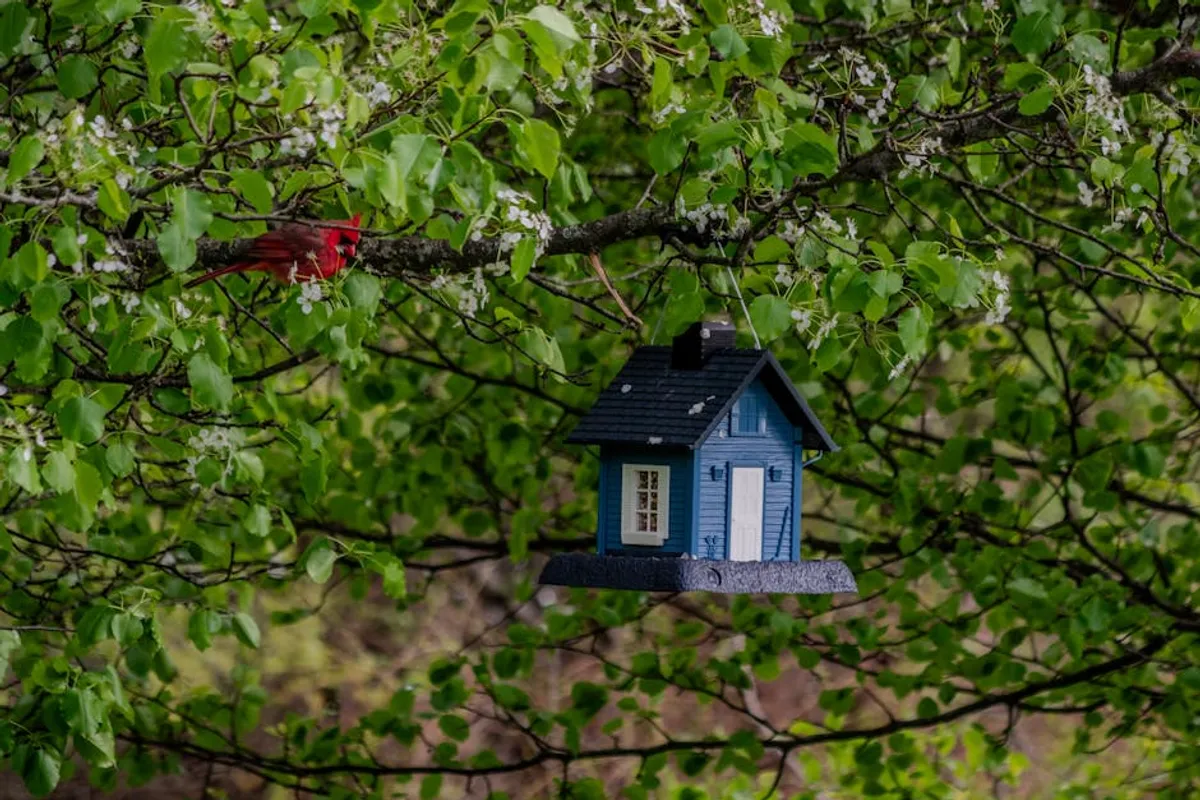
A backyard wildlife guide transforms casual observation into informed engagement, equipping you with the methods and tools to accurately identify species, understand their behaviors, and contribute meaningfully to local ecology. This structured approach helps you move beyond simply noticing movement in the bushes to recognizing specific birds, insects, or mammals, understanding their roles in your environment, and even participating in broader conservation efforts. For property owners, educators, or anyone with an interest in natural history, developing these identification skills enriches your connection to the immediate world around you and provides practical data for ecological monitoring.
Establishing Your Backyard Baseline
Effective wildlife identification begins with understanding the specific context of your own outdoor space. Your backyard is not an isolated patch but a micro-ecosystem influenced by regional climate, local flora, and surrounding human development. Recognizing these foundational elements provides crucial clues for what species you are likely to encounter.
Assessing Habitat Features
Before attempting to identify individual creatures, evaluate the general characteristics of your yard. Wildlife requires three fundamental resources: food, water, and shelter. Note the presence of mature trees, dense shrubs, perennial gardens, or open lawn areas. Document any water sources, such as bird baths, ponds, or even consistently damp patches. Consider potential food sources like berry-producing plants, seed-bearing flowers, or insect populations. The more diverse your habitat, the wider the array of species it can support. A detailed assessment helps narrow down potential identifications, as specific species are often tied to particular habitat types.
Recognizing Seasonal Variations
Wildlife presence and behavior are highly dynamic, changing significantly with the seasons. Migratory birds appear and disappear, some mammals hibernate, and insect populations boom or decline based on temperature and resource availability. Keep a seasonal log of observations: what species are present in spring, summer, fall, and winter? Note breeding seasons, nesting activities, or changes in diet. This longitudinal data provides a more complete picture of your backyard's ecological rhythm and helps differentiate between transient visitors and resident populations.
Core Identification Techniques
Accurate wildlife identification relies on systematic observation and the recognition of specific cues. Combining multiple sensory inputs and looking for consistent patterns significantly improves your chances of correct identification.
Visual Cues and Distinguishing Marks
Visual observation is often the first step. Pay close attention to size, shape, and color patterns. For birds, note beak shape, tail length, and wing markings. For insects, observe the number of legs, wing venation, and antennae structure. Mammals often have distinctive fur patterns, ear shapes, or tail characteristics. Use a camera with a good zoom lens to capture clear images, which can be reviewed later or compared against field guides. Focus on specific, repeatable features rather than general impressions.
Auditory Signatures
Many animals are heard before they are seen. Learning common bird calls, insect chirps, or mammal vocalizations can be a highly effective identification method, especially for nocturnal or shy species. Utilize sound identification apps that can help parse complex soundscapes. Practice distinguishing between different calls; for instance, a robin's song is distinct from a cardinal's. Over time, your ear becomes attuned to the specific auditory landscape of your backyard, revealing species that might otherwise go unnoticed.
Tracks and Other Signs
Even if an animal remains unseen, it often leaves evidence of its presence. Look for footprints in soft soil or snow, noting the number of toes, claw marks, and overall gait pattern. Scat (animal droppings) can provide clues about diet and species, though this requires careful study. Chewed leaves, gnawed bark, discarded nut shells, feathers, or even shed skins are all valuable indicators. These "signs" offer a persistent record of activity, allowing for identification even when direct observation is impossible.
Pro Tip: When observing wildlife, maintain a respectful distance to avoid disturbing natural behaviors or causing stress. Never feed wild animals, as this can lead to dependency and health issues, and always prioritize their safety and well-being over a closer look or a perfect photograph. Ethical observation ensures both your safety and the health of the ecosystem.
Essential Tools for Backyard Observation
Equipping yourself with the right tools enhances your ability to observe and identify backyard wildlife accurately.
- Binoculars: Invest in a pair with good light-gathering capabilities (e.g., 8x42 or 10x42) for clear, close-up views of distant birds or arboreal creatures without disturbance.
- Field Guides: Region-specific field guides are invaluable. Choose guides that feature clear illustrations or photographs, range maps, and detailed descriptions of key identification features, behaviors, and habitat preferences.
- Notebook and Pencil: A small, waterproof notebook allows you to sketch observations, record dates, times, weather conditions, and specific behaviors, which aids in later identification and pattern recognition.
- Digital Camera: A camera with a telephoto lens captures details that might be missed by the naked eye. Photos serve as verifiable records and can be used for later comparison.
- Smartphone Apps: Many apps offer bird call identification, plant identification, and even insect recognition through photo analysis. These can be excellent supplementary tools but should be cross-referenced with traditional field guides for confirmation.
Contributing to Citizen Science
Your backyard observations can extend beyond personal enjoyment and contribute to broader scientific understanding and conservation efforts. Citizen science projects rely on public participation to collect vast amounts of data that professional scientists might not otherwise gather. Platforms like eBird, iNaturalist, and Project Noah allow you to log your sightings, complete with photos and location data. This data helps track species distribution, migration patterns, and population health, informing conservation strategies and ecological research. By consistently reporting your findings, you become an active participant in monitoring local biodiversity.
Maximizing Your Backyard Wildlife Experience
Transforming your backyard into a thriving wildlife haven requires thoughtful planning and consistent effort. Start by providing the basic necessities: a reliable water source like a bird bath or shallow pond, native plants that offer food and shelter, and areas of undisturbed natural cover. Reduce or eliminate pesticide use, as these chemicals harm insects, which are a primary food source for many birds and other animals. Consider adding a brush pile for small mammals and reptiles, or a nesting box for specific bird species. By consciously enhancing your backyard's ecological value, you not only attract a greater diversity of wildlife but also create more opportunities for observation and identification, deepening your connection to the natural world right outside your door.
Frequently Asked Questions
What is the best time of day to observe backyard wildlife?
The best times are typically dawn and dusk, known as crepuscular periods. Many birds are most active at sunrise, while mammals like raccoons, opossums, and deer are often more visible around sunset and into the early evening.
How can I attract more wildlife to my backyard?
Provide food, water, and shelter. Plant native species that offer berries, seeds, or nectar; install a bird bath or small pond; and create brush piles or leave some areas unmowed for cover. Avoid pesticides to support insect populations, which are a vital food source.
Is it safe to get close to backyard wildlife?
It is generally recommended to maintain a respectful distance from all wildlife. Observe with binoculars or a camera from afar. Approaching animals can cause stress, alter their natural behavior, or, in rare cases, lead to defensive reactions. Never attempt to handle wild animals.
What should I do if I find an injured animal in my backyard?
Do not approach or attempt to care for an injured wild animal yourself. Contact a local wildlife rehabilitator, animal control, or your state's wildlife agency immediately. They have the expertise and resources to provide appropriate care.