
Bringing a cat into your home is a significant, rewarding commitment that extends well beyond initial adoption. Effective cat care establishes a foundation for a healthy, happy feline life, requiring attention to diet, environment, health, and behavior. Understanding these fundamental areas from the outset ensures both you and your new companion thrive, mitigating common issues before they arise and fostering a strong bond built on consistent, thoughtful attention.
Essential Supplies for a New Cat
Before your cat arrives, preparing the home with necessary provisions is crucial for a smooth transition and ongoing well-being. These items address basic needs and provide comfort.
Food and Water Stations
Provide at least two separate bowls: one for food, one for water. Stainless steel or ceramic bowls are preferable to plastic, as plastic can harbor bacteria and potentially cause feline acne. Position these in a quiet, accessible location, away from the litter box.
Litter Box Setup
The general rule is one litter box per cat, plus one extra. For a single cat, two boxes are ideal. Choose an unscented, clumping litter and a box size appropriate for your cat’s full adult size, allowing them to turn around comfortably. Place boxes in private, easily accessible areas, not in high-traffic zones or near noisy appliances.
Scratching Posts and Toys
Cats have an innate need to scratch for claw maintenance, stretching, and marking territory. Offer a variety of scratching surfaces—vertical posts (sisal, cardboard) and horizontal scratchers—to satisfy this instinct and redirect it from furniture. Engage your cat with interactive toys like wand toys, as well as independent play items such as crinkle balls or puzzle feeders, to provide mental and physical stimulation.
Carrier
A sturdy, secure cat carrier is indispensable for safe transport to veterinary appointments, moving, or emergencies. Choose one that is well-ventilated, easy to clean, and large enough for your cat to stand up and turn around in comfortably. Acclimate your cat to the carrier by leaving it open with a soft blanket inside, making it a familiar, non-threatening space.
Grooming Tools
Even short-haired cats benefit from regular grooming. A soft-bristle brush or a deshedding tool helps remove loose fur, reduce hairballs, and distribute natural oils. Nail clippers designed for cats are also essential for routine claw maintenance.
Nutrition and Feeding Guidelines
Proper nutrition is paramount for a cat's health, impacting everything from coat quality to energy levels and disease prevention.
Choosing the Right Food
Select a high-quality commercial cat food formulated for your cat's life stage (kitten, adult, senior) and specific needs (e.g., indoor, sensitive stomach). Look for foods with meat as the primary ingredient and avoid excessive fillers. Both wet and dry food can be part of a balanced diet; wet food contributes to hydration, while dry food can support dental health.
Feeding Schedule and Portions
Most adult cats benefit from two to three small meals per day rather than free-feeding, which can lead to overeating and obesity. Follow the feeding guidelines on the food packaging as a starting point, adjusting based on your cat's activity level, age, and body condition. Consult your veterinarian for personalized dietary recommendations.
Hydration Importance
Cats often do not drink enough water, especially if fed primarily dry food. Provide multiple water sources, including ceramic or stainless steel bowls, and consider a pet water fountain to encourage drinking. Ensure fresh water is always available and changed daily.
Health and Veterinary Care
Proactive veterinary care is fundamental to managing a cat's health throughout its life, catching potential issues early.
Regular Vet Check-ups
Annual veterinary examinations are crucial for adult cats, with kittens and senior cats often requiring more frequent visits. These check-ups include a physical examination, dental assessment, and discussion of any behavioral or health concerns. Early detection of illnesses often leads to more effective treatment and better outcomes.
Vaccinations and Parasite Control
Work with your veterinarian to establish a vaccination schedule appropriate for your cat's lifestyle, protecting against common feline diseases. Regular parasite prevention (fleas, ticks, heartworm, intestinal worms) is also essential, even for indoor cats, as parasites can be brought into the home.
Recognizing Illness Signs
Cats are adept at hiding illness. Owners should be vigilant for subtle changes in behavior, appetite, litter box habits, or grooming. Signs such as lethargy, vomiting, diarrhea, changes in vocalization, difficulty breathing, or sudden weight loss warrant immediate veterinary attention.
Pro Tip: Track your cat's normal eating, drinking, and litter box patterns. Even slight deviations can be early indicators of health issues, allowing for quicker intervention.
Dental Health
Dental disease is common in cats and can lead to significant health problems. Regular dental care includes professional cleanings by a veterinarian, supplemented by at-home care such as dental treats, water additives, or, ideally, regular tooth brushing with feline-specific toothpaste.
Creating a Safe and Stimulating Environment
A cat’s environment significantly impacts its physical and mental well-being, influencing behavior and overall happiness.
Indoor vs. Outdoor Considerations
Keeping cats exclusively indoors significantly reduces risks from traffic, predators, parasites, and infectious diseases. If your cat has outdoor access, ensure they are microchipped, vaccinated, and on regular parasite prevention. Consider secure outdoor enclosures (catios) to provide safe outdoor stimulation.
Enrichment and Play
Cats require mental and physical stimulation to prevent boredom and behavioral problems. Provide climbing structures like cat trees, hiding spots, and regular interactive play sessions. Rotate toys to keep interest high and incorporate puzzle feeders to engage their natural hunting instincts.
Safety Proofing Your Home
Remove or secure potential hazards: toxic plants, human medications, cleaning supplies, small objects that can be swallowed, and loose electrical cords. Ensure windows have secure screens and keep toilet lids down.
Grooming and Hygiene
Consistent grooming not only maintains a cat’s appearance but also contributes to its health and comfort.
Brushing Frequency
Short-haired cats typically benefit from brushing once or twice a week, while long-haired breeds may require daily brushing to prevent mats and tangles. Regular brushing reduces shedding, prevents hairballs, and allows you to check for skin issues or parasites.
Nail Trimming
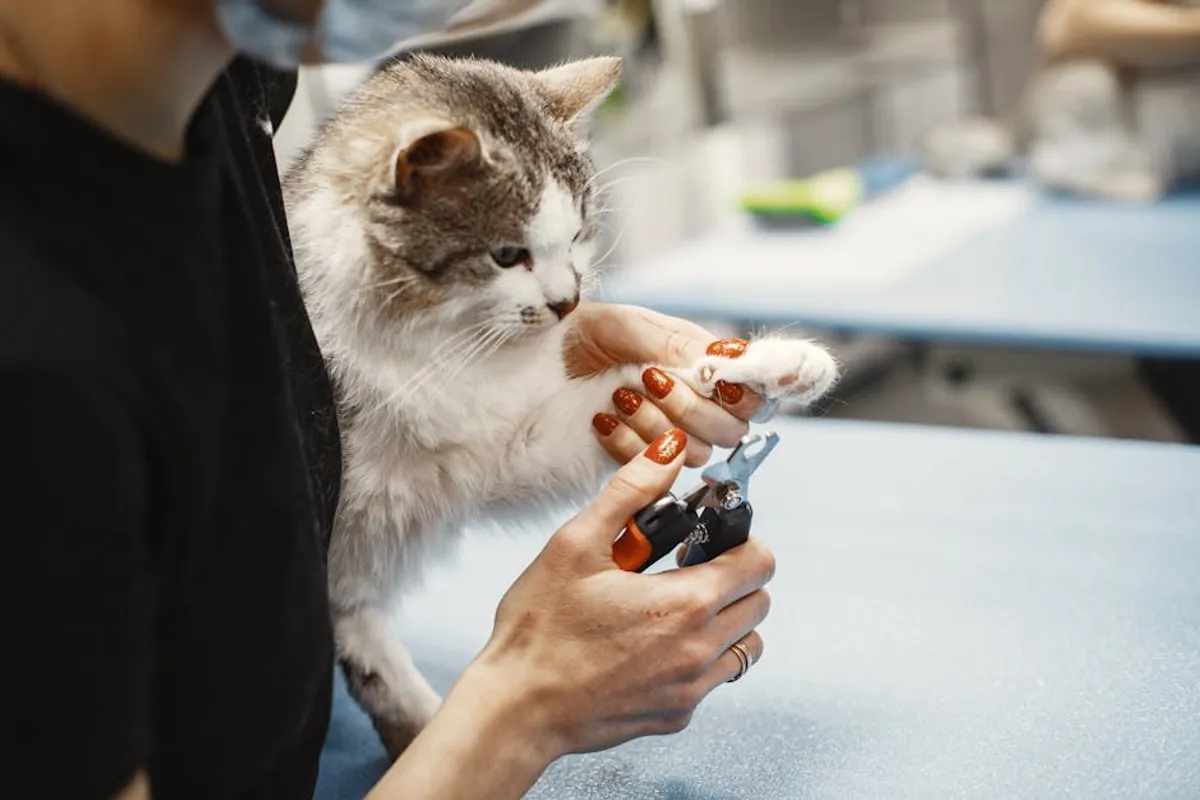
Trim your cat’s claws every two to four weeks to prevent them from becoming too long, which can cause discomfort, ingrown nails, or damage to furniture. Introduce nail trimming gradually and positively, using treats and praise.
Ear and Eye Care
Routinely check your cat’s ears for redness, discharge, or odor, which can indicate infection. Clean them gently with a vet-approved ear cleaner if necessary. Similarly, monitor eyes for excessive tearing or discharge, and consult a vet if you notice any abnormalities.
Behavioral Understanding and Training
Understanding feline behavior helps address issues effectively and strengthens the human-animal bond.
Litter Box Habits
Ensure litter boxes are always clean, scooped daily, and completely changed weekly. If your cat suddenly stops using the litter box, consult a veterinarian to rule out medical issues before addressing behavioral causes like stress, litter type aversion, or box placement.
Scratching Behavior
Provide appropriate scratching outlets and positively reinforce their use. If a cat is scratching furniture, cover the affected areas temporarily and redirect them to a scratching post using catnip or treats. Never punish scratching, as it is a natural behavior.
Socialization
Expose kittens to various sights, sounds, and gentle interactions to foster well-adjusted adult cats. For adult cats, gradual and positive introductions are key when bringing in new pets or people. Respect a cat’s need for personal space and quiet time.
Practical Steps for Lifelong Feline Well-being
Establishing a routine for cat care provides stability and predictability, which cats often thrive on. Consistent attention to their physical and emotional needs ensures a long, healthy, and enriching life together. Prioritize regular veterinary check-ups, maintain a high-quality diet, provide ample mental and physical stimulation, and always be observant of subtle changes that could indicate a need for intervention. Your commitment to these basics forms the bedrock of a successful and loving relationship with your feline companion.
Frequently Asked Questions
- How often should I feed my cat? Most adult cats benefit from two to three small meals per day. Kittens require more frequent, smaller meals. Always follow veterinary advice and food packaging guidelines.
- What are common signs of illness in cats? Look for changes in appetite or thirst, lethargy, vomiting, diarrhea, hiding, changes in litter box habits, or unusual vocalizations. Any persistent change warrants a vet visit.
- Is it better for cats to be indoor or outdoor? For safety and health, keeping cats indoors is generally recommended as it protects them from traffic, predators, diseases, and parasites. Outdoor access can be provided safely via secure enclosures like catios.
- How do I stop my cat from scratching furniture? Provide multiple appropriate scratching surfaces (posts, cardboard scratchers) in various textures and locations. Reward your cat for using them. You can temporarily cover furniture with deterrents like double-sided tape.