
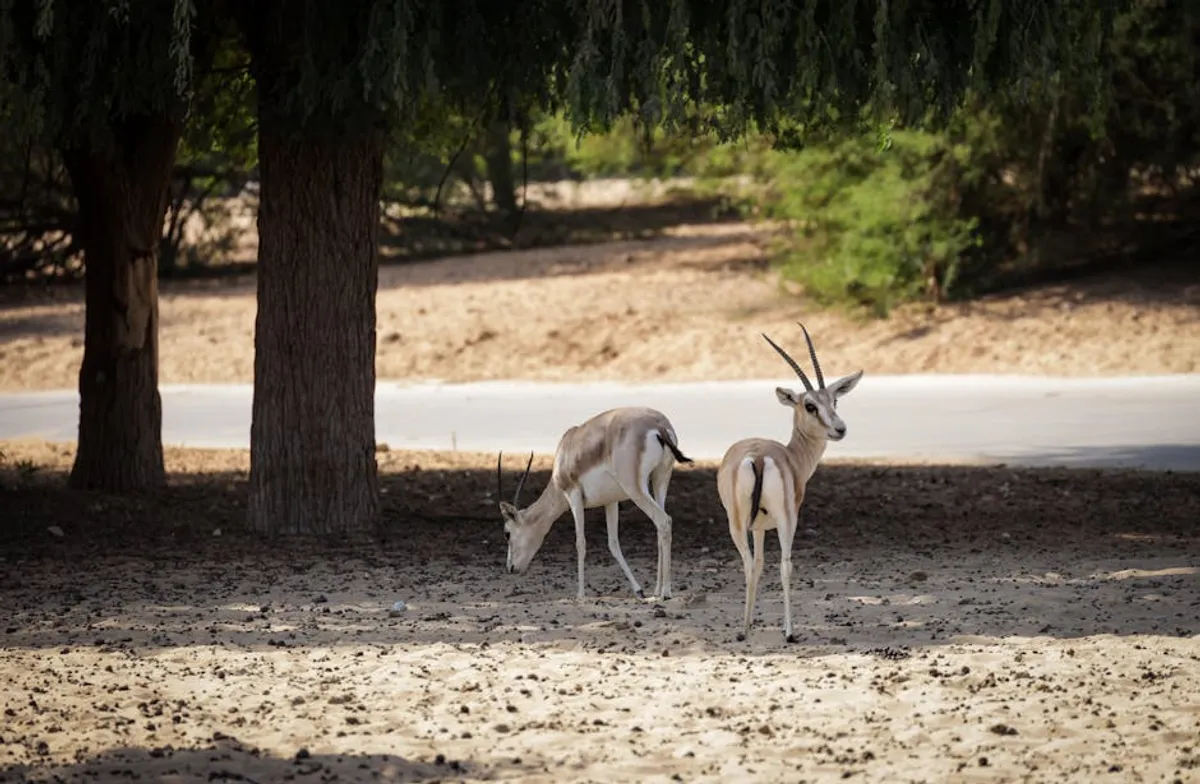
A comprehensive guide to desert animals serves as a fundamental resource for content creators, educators, and niche publishers seeking to develop authoritative information. Understanding the unique biological and behavioral adaptations of desert fauna is critical for producing accurate, engaging, and discoverable content. This guide outlines the essential characteristics, classifications, and survival strategies of animals thriving in arid environments, providing a structured foundation for any project focused on this specialized ecosystem.
Understanding Desert Ecosystems
Deserts are defined by their extreme aridity, receiving less than 250 millimeters (10 inches) of precipitation annually. However, they are not monolithic. Recognizing the distinct types of desert ecosystems is crucial for contextualizing animal life.
Types of Deserts
- Hot and Dry Deserts: Characterized by high daytime temperatures, significant temperature drops at night, and very low humidity. Examples include the Sahara and the Arabian Desert.
- Semi-Arid Deserts: Experience slightly more precipitation than hot deserts, supporting a greater variety of plant life, such as sagebrush and grasses. The Great Basin Desert in North America is a prime example.
- Coastal Deserts: Formed along coastlines where cold ocean currents prevent significant rainfall. Fog often provides a critical moisture source. The Atacama Desert is a notable coastal desert.
- Cold Deserts: Found in temperate regions, often at high altitudes or in the interior of continents, with cold winters and short, warm summers. Precipitation often falls as snow. The Gobi Desert is a prominent cold desert.
Each desert type presents unique challenges that drive specific evolutionary adaptations in its resident animal populations.
Core Adaptations of Desert Fauna
Survival in deserts demands specialized physiological, behavioral, and structural adaptations to cope with extreme temperatures and severe water scarcity. These adaptations are key differentiators for content development.
Physiological Adaptations
Desert animals have evolved sophisticated internal mechanisms to conserve water and regulate body temperature:
- Water Conservation: Many species produce highly concentrated urine and dry feces to minimize water loss. The kangaroo rat, for instance, can survive indefinitely without drinking water, obtaining all necessary moisture from its diet of seeds.
- Thermoregulation: Mechanisms include evaporative cooling (e.g., panting in canids, gular fluttering in birds) and physiological tolerance to elevated body temperatures, allowing animals to absorb heat during the day and dissipate it at night.
Behavioral Adaptations
Behavioral strategies are often the first line of defense against the desert's harsh conditions:
- Nocturnality: Many desert animals are active only at night when temperatures are significantly lower. This includes most desert rodents, snakes, and insects.
- Burrowing: Creating underground burrows provides a stable microclimate, insulated from extreme surface temperatures and direct sunlight. Animals like desert tortoises, fennec foxes, and various reptiles utilize burrows.
- Estivation: A state of dormancy, similar to hibernation, undertaken during periods of extreme heat and drought. Some amphibians and fish in temporary desert ponds can estivate by burrowing into mud.
- Shade Seeking: Simple yet effective, many animals will seek out the shade of rocks or sparse vegetation during the hottest parts of the day.
Structural Adaptations
Physical characteristics also play a vital role in desert survival:
- Specialized Feet: Broad, padded feet (like those of camels) distribute weight and prevent sinking in sand. Fringe-toed lizards have specialized scales on their toes for traction on loose sand.
- Protective Coloring: Camouflage is crucial for both predator and prey, blending with the sandy or rocky environment.
- Thick Skin/Scales: Reptiles' scales reduce water loss and protect against abrasion. Some mammals, like camels, have thick fur that insulates them from both heat and cold.
Pro Tip: When developing content around desert animals, segment your focus by adaptation type or specific desert region. This approach helps capture targeted long-tail search queries and allows for deeper, more authoritative content within niche areas, improving discoverability and user engagement.
Key Categories of Desert Animals
Deserts host a diverse array of life, each group contributing to the intricate food web and ecological balance.
Desert Mammals
Best for: Illustrating complex social structures and advanced physiological adaptations.
Mammals like the fennec fox (large ears for heat dissipation), kangaroo rat (seed-eating, water-independent), and Arabian oryx (can raise body temperature to avoid sweating) exemplify sophisticated survival. Camels are iconic, known for their humps storing fat (not water directly) and their ability to withstand significant dehydration.
Desert Reptiles
Best for: Demonstrating thermoregulation through behavior and external structures.
Reptiles are highly successful in deserts due to their ectothermic nature. Gila monsters store fat in their tails and spend much of their lives underground. Rattlesnakes are ambush predators, often nocturnal, and use venom to subdue prey. The thorny devil's unique skin channels dew to its mouth, a passive water collection system.
Desert Birds
Best for: Showcasing mobility and efficient foraging strategies across vast, sparse landscapes.
Birds such as the roadrunner (fast, ground-dwelling predator) and various raptors adapt by efficient foraging and water acquisition from prey. Sandgrouse are remarkable for carrying water in specialized belly feathers to their chicks, a unique parental adaptation.
Desert Insects & Arachnids
Best for: Highlighting biodiversity and foundational roles in desert food chains.
Scorpions are nocturnal predators with hard exoskeletons reducing water loss. Desert locusts can form massive swarms, impacting vegetation. Many beetles, ants, and spiders play crucial roles as decomposers, herbivores, and predators, often adapted with hard cuticles and burrowing behaviors.
Leveraging Desert Animal Knowledge for Content & Education
This structured understanding of desert animals provides a framework for creating valuable digital assets. For content marketers, this means developing resources that are not only informative but also strategically optimized for specific search intent. Educational platforms can use this guide to build modules on biodiversity, ecology, or evolutionary biology. Publishers can craft compelling narratives around survival, conservation, and the unique beauty of these resilient creatures. Accuracy in describing adaptations and environments ensures credibility and authority, which are paramount for long-term content performance.
Frequently Asked Questions
What defines a desert animal?
A desert animal is any species that has evolved specific physiological, behavioral, or structural adaptations enabling it to survive and reproduce in arid or hyper-arid environments characterized by scarce water and extreme temperatures.
How do desert animals find water?
Desert animals obtain water through various means: directly drinking from sparse sources, consuming moisture-rich prey or plants, metabolizing water from fat reserves, or absorbing dew and fog.
Are all desert animals nocturnal?
While many desert animals are nocturnal to avoid extreme daytime heat, not all are. Some are crepuscular (active at dawn and dusk), and a few are diurnal, employing other adaptations like burrowing or seeking shade during the hottest hours.
What are some common conservation challenges for desert animals?
Key conservation challenges include habitat loss due to human encroachment, climate change impacting water availability and temperature regimes, invasive species, and illegal wildlife trade. These factors often disrupt delicate desert ecosystems.