
For individuals and businesses operating within the pet care ecosystem, a solid understanding of fundamental dog care practices is not merely a matter of animal welfare; it forms the bedrock for credible content creation, product development, and service provision. Whether developing informational articles, designing new pet accessories, or offering training services, accurately addressing the core needs of dog owners requires a detailed grasp of daily routines, health considerations, and behavioral principles. This guide outlines the essential components of responsible dog ownership, providing a framework for those aiming to engage effectively with this significant market segment.
Initial Integration and Preparation
Bringing a dog into a home requires foresight and preparation, impacting both the animal's well-being and the owner's experience. This initial phase sets the stage for a stable, healthy relationship.
Selecting the Appropriate Canine Companion
The choice of dog breed or individual dog should align with a household's lifestyle, living situation, and capacity for commitment. Factors like energy levels, grooming requirements, size, and typical temperament vary significantly. A high-energy working breed, for example, will require substantially more physical and mental stimulation than a companion breed. Understanding these distinctions is crucial for content creators developing breed-specific guides or product recommendations, ensuring relevance and accuracy.
Establishing the Home Environment and Essential Supplies
Before a dog arrives, the home must be prepared to ensure safety and comfort. This includes securing potential hazards, designating specific areas for sleeping, eating, and elimination, and acquiring necessary supplies. Essential items include:
- Food and Water Bowls: Durable, easy-to-clean options, often stainless steel or ceramic.
- Appropriate Food: High-quality commercial dog food suited to the dog's age, size, and activity level.
- Collar, Leash, and ID Tags: For identification and safe walks. Microchipping is also a critical consideration.
- Crate or Bed: A designated safe space for rest and training.
- Grooming Tools: Brushes, nail clippers, and dog-specific shampoo.
- Toys: A variety of interactive and chew toys to prevent boredom and destructive behavior.
- Cleaning Supplies: Pet-safe enzymatic cleaners for accidents.
Content focused on new dog owner checklists or product reviews gains authority by detailing the specific utility and safety considerations for each item.
Daily Care Fundamentals
Consistent daily care routines are vital for a dog's physical health, mental stability, and overall happiness.
Nutritional Requirements and Feeding Practices
Proper nutrition underpins a dog's health. This involves selecting a balanced diet appropriate for their life stage (puppy, adult, senior), breed size, and any specific health conditions. Feeding schedules should be consistent, typically two meals per day for adult dogs, with portion sizes adjusted to maintain an ideal body condition. Access to fresh water at all times is non-negotiable. Content exploring pet food formulations, dietary supplements, or condition-specific diets requires a deep understanding of these nutritional principles.
Physical Activity and Mental Engagement
Regular exercise is critical for preventing obesity, managing energy levels, and promoting mental well-being. The type and duration of exercise depend on the dog's breed, age, and health. This can range from daily walks and playtime to more vigorous activities like running or agility training. Mental stimulation, through puzzle toys, training sessions, or interactive games, is equally important to prevent boredom and behavioral issues. Articles on dog parks, training classes, or enrichment products directly address these needs.
Grooming Essentials
Routine grooming contributes to a dog's hygiene and health. This includes regular brushing to prevent mats and reduce shedding, nail trims to prevent discomfort and potential injury, ear cleaning to prevent infections, and occasional bathing. Specific breeds have varying grooming needs; long-haired breeds require more frequent attention than short-haired ones. Information on grooming tools, techniques, or professional grooming services is highly sought after by dog owners.
Health and Preventative Measures
Proactive health management is key to a long and healthy life for a dog, minimizing the risk of serious illness.
Veterinary Care: Vaccinations and Routine Check-ups
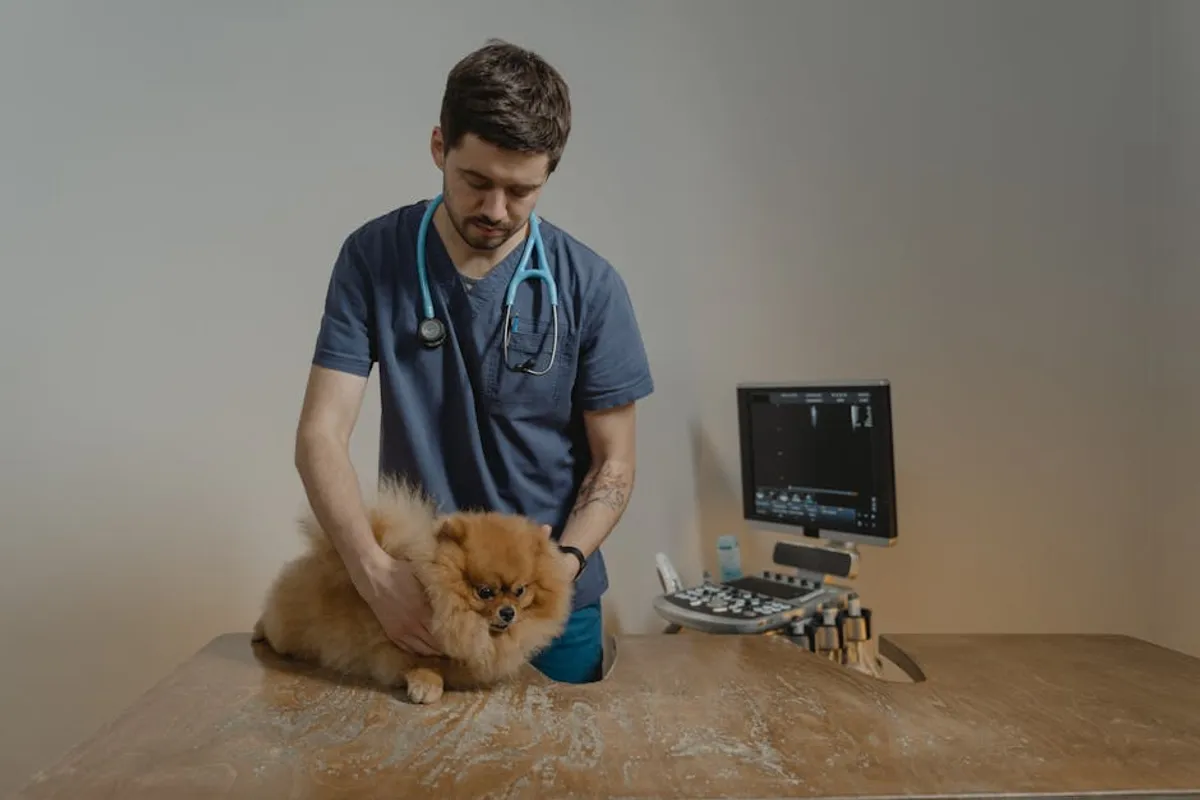
Establishing a relationship with a veterinarian is fundamental. Puppies require a series of vaccinations to protect against common diseases like distemper, parvovirus, and rabies. Adult dogs need annual check-ups to monitor overall health, update vaccinations, and perform routine screenings. These visits allow for early detection of potential issues. Content discussing pet insurance, veterinary services, or common canine ailments must be grounded in these preventative care principles.
Pro Tip: Maintain a detailed health record for your dog, including vaccination dates, deworming schedules, and any medical treatments. This documentation is invaluable for veterinary visits, pet sitters, or in emergency situations, ensuring continuity of care and accurate historical data.
Parasite Control: Fleas, Ticks, and Worms
Consistent preventative treatment for fleas, ticks, and internal parasites (worms) is essential. These parasites can cause discomfort, transmit diseases, and, in severe cases, lead to serious health complications. Various products are available, including topical treatments, oral medications, and collars, which should be administered according to veterinary advice and product guidelines. Educational content around parasite identification, prevention, and treatment options serves a critical informational need.
Recognizing Common Health Indicators
Owners should be familiar with the signs of common dog ailments. This includes changes in appetite or water intake, lethargy, vomiting, diarrhea, coughing, limping, skin irritations, or unusual lumps. Early recognition and veterinary consultation can significantly improve outcomes. Resources detailing common symptoms and appropriate responses are highly valuable for dog owners.
Behavioral Development and Socialization
Training and socialization are crucial for developing a well-adjusted, well-behaved dog capable of interacting positively with its environment.
Foundational Obedience Training
Basic obedience commands such as "sit," "stay," "come," and "leave it" are not only for manners but also for safety. Consistent, positive reinforcement training methods are most effective. Early training helps establish a clear communication channel between dog and owner, building trust and preventing behavioral problems. Content on training techniques, puppy classes, or training aids targets a significant market.
Socialization with People and Other Animals
Proper socialization, especially during puppyhood, exposes dogs to a variety of sights, sounds, people, and other animals in a positive and controlled manner. This helps them develop confidence and reduces the likelihood of fear-based aggression or anxiety later in life. Well-socialized dogs are generally happier and easier to manage in diverse environments. Articles on puppy playdates, dog parks, or behavior modification address these needs.
Sustaining Responsible Dog Ownership
Effective dog care extends beyond daily routines and immediate health concerns; it involves a continuous commitment to their evolving needs.
Maintaining a dog's health and happiness is an ongoing responsibility that adapts as they age. This includes adjusting diets for senior dogs, providing specialized care for chronic conditions, and ensuring continued mental and physical engagement. Understanding the full lifecycle of dog ownership allows content creators to develop resources that support owners through every stage, from puppyhood to senior care, fostering long-term engagement and trust within the pet community.
Frequently Asked Questions About Dog Care
How often should I take my dog to the vet?
Adult dogs generally require an annual veterinary check-up for preventative care, vaccinations, and overall health assessment. Puppies and senior dogs may need more frequent visits.
What is the best way to choose dog food?
Select a high-quality commercial dog food formulated for your dog's specific life stage (puppy, adult, senior), size, and activity level. Consult your veterinarian for personalized recommendations, especially if your dog has dietary sensitivities or health conditions.
How much exercise does a dog need daily?
Exercise requirements vary significantly by breed, age, and individual energy levels. High-energy breeds may need 1-2 hours of vigorous activity, while smaller or less active breeds might be content with 30-60 minutes of walking and playtime. Observe your dog's behavior to gauge their needs.
When should I start training my puppy?
Basic obedience training can begin as early as 7-8 weeks of age. Early socialization and positive reinforcement training are crucial during puppyhood to establish good habits and build a strong bond.