Deciding to groom your pet at home offers clear advantages: significant cost savings over professional services, enhanced convenience, and an opportunity to deepen your bond through regular, positive interaction. This approach demands specific tools, patience, and a clear understanding of your pet’s needs and temperament. Successful home grooming is not merely about aesthetics; it contributes directly to your pet's health by allowing early detection of skin issues, parasites, or unusual lumps. It requires an initial investment in quality equipment and a commitment to learning proper techniques, but the long-term benefits in both pet welfare and budget management are substantial.
Establishing a Pre-Grooming Protocol
Effective grooming begins well before the first brush stroke or nail clip. A structured pre-grooming protocol minimizes stress for your pet and ensures a more efficient process for you. This involves gathering all necessary supplies, preparing a suitable environment, and mentally preparing your pet for the session.
Essential Tool Kit Assembly
A comprehensive grooming kit is fundamental. Generic human tools are often inadequate and can cause discomfort or injury. Invest in pet-specific equipment designed for safety and efficacy. Key items include:
- Brushes: A slicker brush for detangling and removing loose fur, a pin brush for longer coats, and a deshedding tool (e.g., rake or blade) for double-coated breeds.
- Combs: A fine-toothed comb for checking for fleas and a wide-toothed comb for initial detangling.
- Nail Clippers: Guillotine-style clippers for larger dogs, scissor-style for smaller dogs and cats. A nail grinder can offer a smoother finish and reduce the risk of cutting the quick.
- Ear Cleaner: A veterinarian-approved solution designed for pet ears, along with cotton balls or gauze. Avoid cotton swabs, which can push debris deeper.
- Shampoo and Conditioner: pH-balanced, pet-specific formulas. Medicated options are available for skin conditions, but consult your vet first.
- Towels: Several absorbent towels, or a pet-specific drying coat.
- Styptic Powder: An essential safety item to stop bleeding if a nail is cut too short.
- Treats: High-value rewards for positive reinforcement.
Setting Up a Safe, Calm Environment
Choose a quiet, well-lit area free from distractions. A non-slip mat on a raised surface (like a sturdy table) can provide better ergonomics for you and stability for your pet. Ensure the temperature is comfortable. Introduce the grooming tools gradually, allowing your pet to sniff and investigate them before use. Short, positive interactions with the tools, paired with treats, build positive associations. For anxious pets, consider playing calming music or using pet-specific pheromone sprays in the grooming area.
Core Grooming Techniques
Once prepared, approach each grooming step systematically, prioritizing your pet's comfort and safety.
Coat-Specific Washing Methods
Bathing frequency and technique vary significantly by coat type. For most pets, a bath every 4-6 weeks is sufficient unless they get particularly dirty. Start by thoroughly brushing out any mats or tangles before wetting the coat; water tightens mats, making them nearly impossible to remove without cutting. Use lukewarm water and apply shampoo from neck to tail, avoiding eyes and ears. Lather gently, ensuring the shampoo penetrates to the skin, then rinse thoroughly until no suds remain. Residual shampoo can cause skin irritation.
For short-haired breeds: A gentle scrub with a rubber curry brush during shampooing helps loosen dead fur.
For long-haired or double-coated breeds: Use a diluted shampoo to ensure even distribution and easier rinsing. Pay extra attention to undercoats to prevent matting.
Drying Protocols
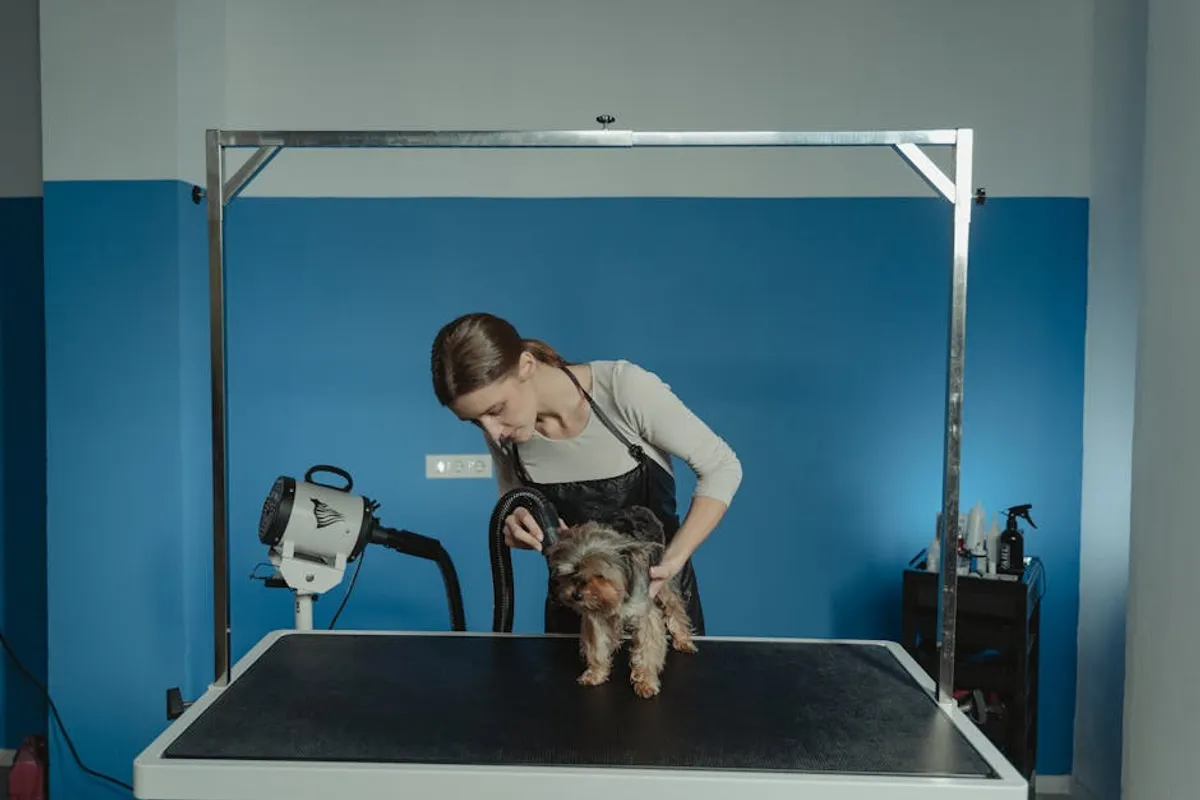
After rinsing, squeeze excess water from the coat. Wrap your pet in an absorbent towel and gently blot, rather than rub, to prevent tangles. For pets tolerant of noise, a low-heat pet-specific dryer can speed up the process and fluff the coat. Never use a human hairdryer on high heat, as it can burn your pet's skin. Ensure the coat is completely dry, especially for double-coated breeds, to prevent skin infections and matting.
Brushing and Dematting Strategies
Regular brushing is the cornerstone of home grooming, preventing mats, distributing natural oils, and reducing shedding. The type of brush directly impacts effectiveness.
Selecting the Right Brush
Slicker brushes: Excellent for removing loose hair and small mats from most coat types. Use gentle, outward strokes.
Pin brushes: Ideal for longer, silkier coats to detangle and smooth.
Deshedding tools: Specifically designed to remove undercoat from double-coated breeds, significantly reducing shedding. Use sparingly and carefully to avoid irritating the skin.
Dematting Strategies
Small mats can often be worked out with a comb or slicker brush, starting from the outer edge and working inward. Use a detangling spray to lubricate the hair. For larger, tighter mats, a mat splitter or dematting rake can be used, but extreme caution is necessary to avoid cutting the skin. If a mat is too close to the skin or too dense, professional removal is safer. Never pull or cut mats with scissors unless you are absolutely certain of the skin's position beneath the mat.
Pro Tip: Always have styptic powder readily available when trimming nails. Even experienced groomers can occasionally nick the quick. Applying styptic powder immediately stops bleeding and minimizes distress for your pet. Keep it visible and within reach.
Nail Trimming and Ear Care
These are often the most challenging aspects of home grooming but are crucial for health and comfort.
Safe Nail Clipping Practices
Regular nail trims prevent overgrowth, which can lead to pain, splayed toes, and gait issues. Hold your pet's paw firmly but gently. Identify the quick – the pink, blood-filled part of the nail. For light-colored nails, it's visible; for dark nails, it's harder to see. Clip only the tip, just before the quick. If using a grinder, introduce it slowly, allowing your pet to get used to the vibration and sound. Perform short sessions, rewarding frequently.
Quick Detection and Avoidance
On dark nails, the quick can be identified by looking at the underside of the nail. The quick will appear as a small, dark circle within the lighter nail material. When trimming, aim for the very tip, and if unsure, trim less rather than more. Regular, small trims are better than infrequent, drastic cuts. If you accidentally cut the quick, apply styptic powder immediately with gentle pressure.
Ear Cleaning Protocols
Inspect your pet's ears weekly for redness, odor, or discharge, which can indicate infection. For routine cleaning, apply a veterinarian-approved ear cleaning solution into the ear canal, gently massage the base of the ear for 20-30 seconds, then allow your pet to shake their head. Use a cotton ball or gauze wrapped around your finger to gently wipe away debris from the outer ear flap and visible parts of the canal. Never insert anything into the ear canal itself, as this can cause damage.
Sustaining a Home Grooming Routine
Consistency is key to successful home grooming. Establish a regular schedule that fits your pet's needs and your availability. Short, frequent sessions are often more effective and less stressful than long, infrequent ones. Observe your pet's reactions; if they show signs of extreme stress or aggression, pause the session and try again later, or consider professional assistance for specific tasks. Documenting your pet's preferences and reactions to different tools or techniques can help refine your approach over time. Remember that grooming is an ongoing process, not a one-time event, and patience, positive reinforcement, and attention to detail will yield the best results for both you and your pet.
Frequently Asked Questions
How often should I groom my pet at home?
The frequency depends on your pet's breed, coat type, and lifestyle. Daily brushing is ideal for long-haired or double-coated breeds to prevent mats and reduce shedding. Nail trims are typically needed every 3-4 weeks, or when you hear them clicking on hard floors. Baths can range from every few weeks to every few months, based on cleanliness and skin condition.
What if my pet resists grooming?
Start with short, positive sessions, focusing on one small task at a time. Use high-value treats and praise generously. If your pet becomes anxious, stop and try again later. For persistent resistance, consult with your veterinarian or a professional groomer for guidance on desensitization techniques or to rule out underlying pain or discomfort.
Can I use human shampoo on my pet?
No, human shampoos are formulated with a different pH balance than pet skin and can cause dryness, irritation, or allergic reactions. Always use pet-specific shampoos and conditioners designed for their skin and coat type.
When should I seek professional grooming assistance?
Consider professional help for complex tasks like intricate coat styling, severe matting that you cannot safely remove, or if your pet exhibits extreme aggression or fear during grooming that you cannot manage. Professionals have specialized tools and training to handle challenging situations safely.