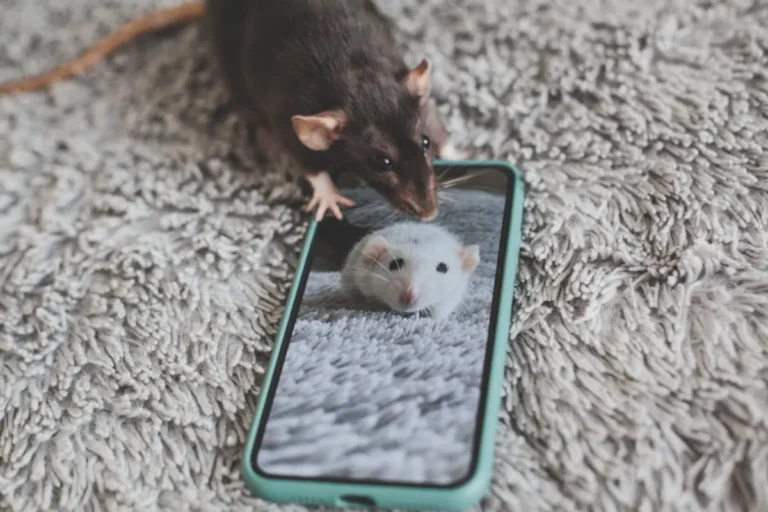

Local wildlife faces increasing pressure from habitat loss, pollution, and climate change. However, individual actions, when scaled across communities, can significantly mitigate these challenges. Understanding specific, practical steps to support the animals and insects in your immediate environment allows for targeted, effective conservation efforts that benefit biodiversity and ecosystem health. This guide outlines actionable strategies to transform your space and habits into a valuable resource for local fauna.
Creating a Wildlife-Friendly Habitat
Transforming your immediate surroundings into a haven for wildlife begins with intentional landscaping and resource provision. Every element, from plant selection to water sources, plays a role in supporting local species.
Native Plant Landscaping
The most impactful step in supporting local wildlife involves integrating native plants into your garden or outdoor space. Native flora has co-evolved with local insect populations, providing essential food sources (nectar, pollen, leaves) and shelter. Unlike exotic or ornamental plants, native species require less water and no chemical fertilizers or pesticides once established, further benefiting the ecosystem.
- Host Plants: Select plants that serve as host species for butterfly and moth larvae. For example, milkweed (Asclepias spp.) is crucial for Monarch butterflies.
- Food Sources: Include a variety of flowering plants for nectar and pollen, berry-producing shrubs for birds, and nut-bearing trees for mammals.
- Shelter: Dense shrubs, evergreen trees, and ground cover offer protection from predators and harsh weather.
Providing Water Sources
Access to clean water is vital for all wildlife, particularly during dry spells or extreme heat. Simple additions can make a significant difference.
Best for: Birds, small mammals, and insects requiring hydration and bathing opportunities.
A shallow bird bath, replenished daily with fresh water, provides drinking and bathing opportunities. Ensure the water depth does not exceed 2-3 inches, with sloped sides or a few stones to allow smaller creatures to perch safely. For ground-dwelling animals, a shallow dish placed at ground level, refilled regularly, can be beneficial. Crucially, clean all water sources weekly to prevent disease transmission and mosquito breeding.
Reducing Chemical Use
Pesticides, herbicides, and synthetic fertilizers, even those marketed as "eco-friendly," can have detrimental effects on wildlife. They disrupt food chains by eliminating insects that many birds and small mammals rely on, and can directly poison animals that ingest treated plants or contaminated water.
Impact: Protects pollinators, beneficial insects, and the entire food web from toxic exposure.
Opt for organic gardening practices, integrated pest management (IPM) techniques, and manual weed removal. Consider natural predators for pest control, such as ladybugs for aphids, or companion planting to deter unwanted insects. A healthy, diverse ecosystem is naturally more resilient to pest outbreaks.
Supporting Local Wildlife Through Responsible Practices
Beyond habitat creation, daily habits and household management significantly influence wildlife safety and well-being.
Managing Outdoor Lighting
Artificial outdoor lighting, especially bright, unshielded fixtures, contributes to light pollution. This disrupts the natural behaviors of nocturnal animals, including migration patterns, foraging, and reproduction. Migratory birds can become disoriented, and insects are often drawn to lights, becoming easy prey or exhausting themselves.
Action: Use downward-facing, shielded fixtures with motion sensors. Opt for warm-colored LED bulbs (under 3000K) with lower intensity. Turn off unnecessary outdoor lights, especially during peak migration seasons.
Securing Waste and Food Sources
Leaving pet food outdoors or not securing trash bins can attract wildlife like raccoons, opossums, and bears, leading to conflicts and dependency on human-provided food. This alters their natural foraging behaviors and can expose them to dangers like traffic or intentional harm.
Recommendation: Store pet food indoors. Use trash cans with tight-fitting, animal-proof lids. If composting, ensure compost bins are enclosed and inaccessible to larger animals. Avoid intentionally feeding wild animals, as this can lead to aggression, disease spread, and loss of natural fear.
Preventing Window Collisions
Window collisions are a leading cause of bird mortality, particularly during migration. Birds perceive reflections as open sky or habitat, flying directly into the glass.
Solutions: Apply decals or patterns to the outside of windows (e.g., Feather Friendly tape) that break up reflections. Spacing these patterns no more than 2-4 inches apart for birds. Position bird feeders within 3 feet of a window (so birds cannot build enough momentum to injure themselves if they hit it) or more than 30 feet away. Close curtains or blinds during peak migration periods.
Pro Tip: Never attempt to feed or directly interact with wild animals, especially injured ones. Human food can be detrimental to their health, and direct interaction can stress them, leading to bites or scratches. Instead, contact a local wildlife rehabilitator or animal control for guidance on injured animals.
Direct Action and Community Involvement
Individual efforts are amplified when combined with community engagement and support for established conservation organizations.
Volunteering and Donations
Local wildlife rehabilitation centers, nature preserves, and conservation groups often operate with limited resources. Volunteering your time for tasks like habitat restoration, animal care, or administrative support provides direct assistance. Financial donations, even small ones, contribute to medical supplies, food, and facility maintenance, directly impacting the well-being of rescued animals.
Educating Others
Sharing your knowledge and enthusiasm for local wildlife conservation can inspire others to adopt similar practices. Organize neighborhood clean-ups, participate in citizen science projects (like bird counts or insect surveys), or simply discuss the importance of native plants and responsible wildlife interactions with friends and family. This collective awareness builds a stronger, more informed community.
Reporting Injured Wildlife
If you encounter injured or distressed wildlife, the most responsible action is to contact a licensed wildlife rehabilitator or local animal control immediately. These professionals possess the expertise and equipment to safely assess, rescue, and treat animals without causing further harm or stress. Avoid attempting to handle or care for injured animals yourself, as this can be dangerous for both you and the animal.
Sustaining Local Wildlife Efforts
The cumulative effect of consistent, thoughtful actions creates lasting positive change for local ecosystems. Integrating these practices into your daily routine ensures that your efforts contribute to a healthier, more resilient environment for all species. Regular observation of your local environment will also inform your actions, allowing you to adapt and respond to specific needs of the wildlife around you.
Frequently Asked Questions
What are the most important things I can do to help local wildlife?
Prioritize planting native species to provide food and shelter, ensure a clean, shallow water source, and eliminate the use of pesticides and herbicides in your outdoor spaces.
How can I identify the specific needs of wildlife in my area?
Consult local native plant societies, university extension offices, or regional conservation organizations. They can provide lists of indigenous plants and information on local species and their specific habitat requirements.
Is it ever okay to feed wild animals?
Generally, no. Feeding wild animals can lead to dependency, aggression, spread of disease, and an unhealthy diet. It's best to allow them to forage naturally, providing natural food sources through native plantings instead.
What should I do if I find an injured or orphaned animal?
Do not approach or handle the animal directly. Contact a local licensed wildlife rehabilitator or animal control immediately. They are equipped to handle these situations safely and effectively.