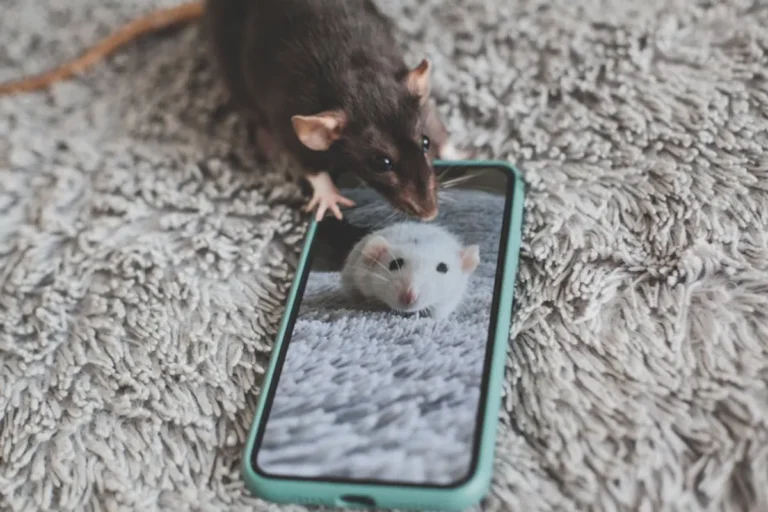

Relocating to a new home presents a significant challenge for pets, often leading to stress, anxiety, and behavioral changes. Their established routines, familiar scents, and perceived territories are disrupted, making a smooth transition essential for their well-being and the household's peace. Proactive preparation and consistent support during and after the move can mitigate these issues, fostering a secure and comfortable environment for your animal companion.
Pre-Move Preparations for a Smoother Transition
The adjustment process begins well before moving day. Strategic planning can significantly reduce your pet's anxiety and prepare them for upcoming changes.
Gradual Introduction to Moving Supplies
Introduce moving boxes, packing tape, and other supplies into your home weeks in advance. Allow pets to investigate these items at their own pace. For cats, leave empty boxes open for exploration and play, turning potential stressors into novel enrichment. For dogs, ensure they associate these items with normal household activity rather than impending upheaval. This familiarization prevents the sudden appearance of packing materials from triggering alarm.
Maintaining Routines Before Departure
Stick to your pet's regular feeding, walking, and playtime schedules as much as possible in the weeks leading up to the move. Consistency provides a sense of normalcy amidst the chaos of packing. Any deviations should be minimal and introduced gradually. This reinforces stability, which is crucial for pets who thrive on predictability.
Preparing a "Safe Room" in the New Home
Before your pet arrives at the new residence, designate a quiet, secure room for them. This room should contain their bed, food and water bowls, favorite toys, and litter box (for cats). Ensure the room is free of hazards and has a door that can be securely closed. This provides a controlled, less overwhelming space for initial acclimatization, away from the main activity of unpacking.
Arrival Day: Minimizing Stress and Maximizing Comfort
The first hours in a new home are critical. A calm, structured introduction sets the tone for future comfort.
Controlled Entry and Initial Exploration
Upon arrival, bring your pet directly to their pre-prepared safe room. Keep them there while initial unpacking occurs in other areas. Once the main activity has settled, allow them to explore the rest of the home gradually, always under supervision. For dogs, a leashed walk through the house can help them sniff out new scents without feeling overwhelmed. For cats, opening the safe room door and letting them venture out at their own pace is often best.
Setting Up Essential Stations
Immediately set up permanent locations for food and water bowls, beds, and litter boxes. Place them in quiet, accessible areas where your pet can feel secure while eating or resting. Consistency in these locations helps establish a new routine quickly and reduces anxiety about where essential resources are found.
Supervision and Boundary Setting
Monitor your pet closely during the first few days. Observe their reactions to new sounds, smells, and spaces. Gently guide them away from potential hazards or areas you prefer them not to enter. Positive reinforcement for appropriate behavior, such as using their designated potty spot or resting in their bed, helps them understand new boundaries.
The First Weeks: Establishing New Routines and Security
The initial adjustment period extends beyond the first day. The first few weeks are crucial for cementing new routines and helping your pet feel truly at home.
Consistent Schedules and Feeding Times
Maintain consistent feeding, exercise, and potty break schedules. Pets thrive on routine, and re-establishing a predictable rhythm helps reduce stress and confusion. For dogs, regular walks around the new neighborhood also serve as an important scent-marking and exploration activity, helping them feel ownership of their new territory.
Reintroducing Familiar Scents and Objects
Surround your pet with familiar items: their favorite blanket, bed, toys, or even an unwashed shirt with your scent. These familiar objects provide comfort and continuity in an otherwise new environment. Place them in their safe room and other areas where they spend time.
Gradual Socialization and Exploration
Avoid overwhelming your pet with too many new people or places too quickly. Introduce new family members, friends, or neighborhood pets one at a time, in controlled, positive interactions. Gradually expand their access to the home and yard, ensuring they feel secure at each step before moving on.
Addressing Behavioral Changes
It is common for pets to exhibit temporary behavioral changes such as increased vocalization, house-soiling, loss of appetite, or hiding. These are typically stress responses. Continue with positive reinforcement and avoid punishment, which can exacerbate anxiety.
Pro Tip: If behavioral issues persist beyond a few weeks, or if your pet shows severe signs of distress (e.g., prolonged refusal to eat, excessive aggression, self-mutilation), consult with a veterinarian or a certified professional pet behaviorist. Early intervention can prevent minor issues from becoming entrenched problems.
Ongoing Support for Long-Term Adjustment
Adjustment is an ongoing process. Continued attention to your pet's needs ensures their long-term happiness and security in their new home.
Reinforcing Positive Associations
Make the new home a place of positive experiences. Offer treats, praise, and play sessions regularly. Associate new areas of the house or yard with fun and rewards. This helps overwrite any initial negative or anxious feelings with positive memories.
Continued Enrichment and Exercise
Ensure your pet receives adequate mental and physical stimulation. This might include:
- Daily walks or playtime in a secure yard.
- Interactive toys that dispense treats.
- Training sessions to learn new commands or reinforce old ones.
- Puzzle feeders to engage their minds during meal times.
Boredom and pent-up energy can contribute to destructive behaviors, especially in a new environment.
Monitoring Health and Well-being
Regularly observe your pet for any changes in appetite, energy levels, sleep patterns, or elimination habits. Schedule a check-up with a new local veterinarian shortly after the move, even if your pet seems healthy. This establishes a relationship with a local professional and allows for early detection of any stress-related health issues.
Building a Secure Future
Helping pets adjust to a new home requires patience, consistency, and empathy. By proactively preparing, managing the initial arrival carefully, and providing ongoing support, you can transform a potentially stressful event into a positive new beginning for your animal companion. The investment in their comfort during this transition will yield a happier, more secure pet and a more harmonious household.
Frequently Asked Questions
How long does it typically take for a pet to adjust to a new home?
The adjustment period varies widely depending on the pet's personality, age, breed, and the level of preparation. Some pets may settle in within a few days, while others, especially more anxious or older animals, might take several weeks to a few months to feel completely comfortable.
What are common signs of stress in pets after a move?
Common signs of stress include changes in appetite, increased vocalization (meowing, barking, whining), house-soiling accidents, hiding, destructive chewing, excessive grooming, lethargy, or new aggression. Any deviation from their normal behavior can indicate stress.
Should I let my cat explore the new house all at once?
It's generally best to introduce cats to a new home gradually. Start them in a single "safe room" with all their essentials. Once they seem comfortable there, you can slowly open the door and allow them to explore the rest of the house at their own pace, returning to their safe room as needed.
Is it okay to leave my pet alone in a new home right away?
Ideally, avoid leaving your pet alone for extended periods immediately after moving. Try to be present for the first few days to provide reassurance and establish routines. If you must leave, ensure they are in their safe room with familiar items and consider using calming pheromone diffusers.