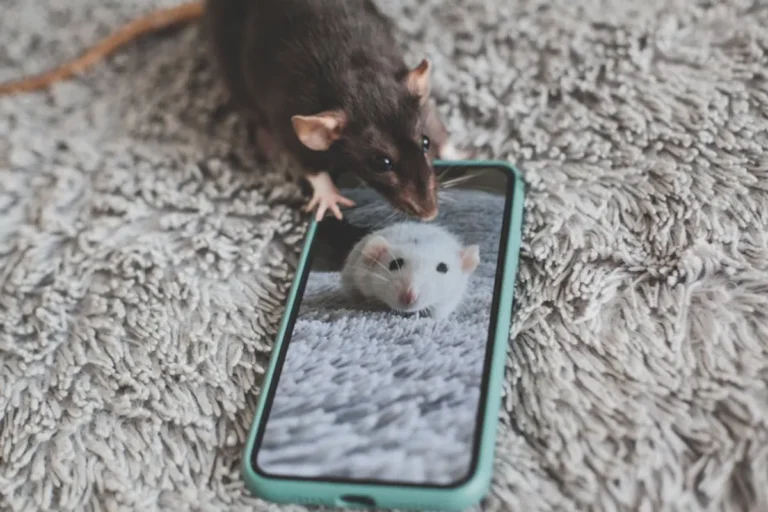

Introducing new pets into an existing household requires a structured approach to ensure a smooth transition and foster positive relationships between animals. Rushing this process often leads to stress, fear, and potentially aggressive behaviors that can be difficult to reverse. A methodical introduction minimizes anxiety for all parties, establishes clear boundaries, and builds a foundation for long-term harmony. The objective is to create an environment where each animal feels secure and comfortable, gradually acclimating to the other's presence rather than being forced into immediate cohabitation.
Establishing a Prepared Environment
Before any direct interaction, prepare the home to accommodate the new arrival without disrupting the resident pet's routine. This involves creating separate, secure spaces and managing scent exchanges to initiate familiarity.
Dedicated Safe Zones
Each pet requires its own designated area where it can eat, sleep, and feel safe without intrusion. For cats, this might mean a room with a litter box, food, water, and scratching posts. For dogs, a crate or a separate room with bedding and toys. These spaces serve as retreats and prevent initial confrontations over resources or territory.
- Food and Water Stations: Ensure separate, non-shared bowls are placed in distinct areas.
- Resting Spots: Provide comfortable beds or crates in each pet's safe zone.
- Litter Boxes/Potty Areas: For cats, provide at least one litter box per cat plus one extra, distributed throughout the home. For dogs, maintain consistent outdoor potty routines.
- Toys and Enrichment: Offer individual toys to prevent resource guarding.
Scent Swapping Protocols
Scent is a primary form of communication for many animals. Introducing scents before visual contact allows pets to become accustomed to each other's presence without the pressure of direct interaction. This reduces novelty and potential alarm when they eventually meet.
Begin by gently rubbing a cloth or towel on one pet, focusing on scent glands (e.g., cheeks for cats, ears for dogs), then place that cloth in the other pet's safe zone. Repeat this process daily, swapping cloths between areas. Observe reactions: calm sniffing is a positive sign; hissing, growling, or avoidance indicates more time is needed at this stage.
Controlled Initial Encounters
Once scent swapping has progressed positively for several days to a week, and both pets show curiosity rather than aggression towards the swapped scents, controlled visual introductions can begin. These should always be brief, supervised, and allow for immediate separation.
Visual but No-Contact Introductions
Use a physical barrier, such as a baby gate or a glass door, to allow pets to see each other without direct physical contact. This reduces the risk of injury and allows them to observe each other's body language from a safe distance. During these sessions, provide positive reinforcement like treats or praise. Keep sessions short, starting with just a few minutes and gradually increasing duration as comfort levels rise. Ensure both animals are relaxed before ending the session.
Pro Tip: Conduct initial visual introductions when both pets are calm and slightly hungry. Offer high-value treats simultaneously on opposite sides of the barrier. This creates a positive association with the other animal's presence, linking the sight of the new pet with rewarding experiences.
Supervised, Leashed Interactions
When visual introductions consistently elicit calm responses, progress to supervised, leashed interactions in a neutral area of the home. Keep both pets on leashes, with separate handlers, to maintain control and prevent unwanted behaviors. Allow them to sniff each other briefly, then redirect their attention with treats or toys. Avoid forcing interaction; let them approach each other at their own pace. If any signs of aggression (hissing, growling, lunging) appear, immediately separate them and revert to earlier stages of introduction.
Managing Challenges and Building Trust
The introduction process is rarely linear. Be prepared for setbacks and understand that patience is crucial. Each animal's personality, past experiences, and species-specific communication styles will influence the timeline.
Recognizing Stress Signals
Pay close attention to body language. For dogs, signs of stress include lip licking, yawning, whale eye (showing the whites of the eyes), stiff posture, or tail tucked low. For cats, flattened ears, dilated pupils, hissing, growling, or a crouched posture indicate discomfort. If these signals appear, immediately increase distance or end the session to prevent escalation.
Gradual Integration and Resource Management
Once pets can comfortably share a space under supervision, begin allowing unsupervised time, starting with short intervals. Continue to manage resources carefully. Feed pets in separate areas, at least initially, to prevent food aggression. Provide multiple sleeping spots and toys to reduce competition. Regular, positive interactions, such as shared walks (if dogs) or parallel play (if cats), can strengthen their bond.
Sustaining Harmony
Successful introductions are ongoing. Even after pets appear to get along, maintaining a structured environment and consistent routines helps prevent future conflicts.
Continue to provide individual attention to each pet, ensuring they feel loved and secure. Rotate toys, provide new enrichment opportunities, and maintain separate safe spaces they can retreat to. Consistency in daily routines, feeding schedules, and positive reinforcement helps solidify their comfort with each other and their shared home.
Frequently Asked Questions
How long does the pet introduction process typically take?
The timeline varies significantly based on the individual animals' personalities, ages, and past experiences. Some introductions can be completed in a few days, while others may take several weeks or even months. Patience and close observation are key, never rushing any stage.
What should I do if my pets fight during an introduction?
Immediately and safely separate the animals without putting yourself at risk. Revert to earlier, more controlled stages of introduction, such as scent swapping or visual-only encounters with a strong barrier. If aggression persists or is severe, consult a professional animal behaviorist.
Can I introduce a new pet if my current pet is very territorial?
Yes, but it requires extra vigilance and a slower, more methodical approach. Focus heavily on scent swapping and barrier introductions to gradually desensitize the territorial pet. Ensure the territorial pet's core resources (food, bed) are not threatened by the new arrival. Professional guidance from a certified behaviorist is highly recommended in such cases.
Is it easier to introduce a puppy or kitten to an adult pet?
Generally, introducing a young animal to a well-socialized adult can be smoother, as puppies and kittens are often more adaptable and less threatening to an established pet. However, the adult pet's temperament is the primary factor. A calm, tolerant adult will adapt more readily than an anxious or aggressive one, regardless of the new pet's age.