Training a new puppy represents a significant investment in its future behavior and your household's harmony. This process, initiated correctly, establishes foundational behaviors that prevent common issues like destructive chewing, incessant barking, and house-soiling, which can otherwise lead to frustration and costly interventions. Approaching puppy training with a structured, consistent methodology not only shapes a well-adjusted adult dog but also strengthens the bond between pet and owner through clear communication and positive interaction.
Setting the Foundation: Essential Early Steps
Establishing a Routine
Puppies thrive on predictability. A consistent daily schedule for feeding, potty breaks, play, and sleep significantly aids in their development and training. For instance, scheduling potty breaks immediately upon waking, after meals, and before bedtime helps the puppy understand expectations and reduces accidents. Regular feeding times also regulate digestion, making potty training more predictable.
Practical application: Chart out a daily schedule and adhere to it strictly for the first few weeks. This consistency is critical for habit formation.
Positive Reinforcement Principles
Effective puppy training relies on positive reinforcement, which involves rewarding desired behaviors to increase their likelihood of recurrence. This method fosters a positive learning environment, encouraging the puppy to engage in training willingly rather than out of fear or coercion. Rewards can include high-value treats, verbal praise, enthusiastic petting, or a favorite toy.
Rationale: Punishing undesirable behaviors can create fear, anxiety, and distrust, potentially leading to more complex behavioral problems. Positive reinforcement builds confidence and a strong, trusting relationship.
Pro Tip: Timing is crucial for positive reinforcement. Deliver the reward within 1-3 seconds of the desired behavior occurring. This immediate association helps the puppy understand precisely what action earned the reward.
Key Training Areas
Potty Training: Consistency and Cues
Potty training requires vigilance and consistency. Take your puppy out frequently—every 1-2 hours initially, and always after waking, eating, and playing. Choose a designated potty spot and take the puppy there on a leash. Wait patiently for them to relieve themselves, then offer immediate praise and a high-value treat. Avoid scolding for accidents indoors; simply clean them thoroughly with an enzymatic cleaner to eliminate odors that might attract the puppy back to the same spot.
Goal: To teach the puppy that eliminating outdoors is rewarded, and indoors is not an option.
Crate Training: Creating a Safe Space
A crate, when introduced properly, becomes a secure den for your puppy, not a punishment tool. It aids in potty training by leveraging a dog's natural instinct not to soil its sleeping area. Introduce the crate gradually, making it inviting with comfortable bedding and toys. Feed meals inside the crate and never force the puppy in. Initially, leave the door open for short periods, then gradually increase the duration the puppy spends inside with the door closed.
Benefit: A well-crate-trained puppy can be safely left alone for reasonable periods, travels better, and has a personal retreat.
Basic Commands: Building Communication
Teaching fundamental commands establishes clear communication and control, which are essential for safety and good manners. Start with short, frequent training sessions (5-10 minutes) in a distraction-free environment. Use clear, consistent verbal cues and hand signals.
- Sit: Hold a treat above the puppy's head, moving it backward. As the puppy's nose follows, its rear will naturally lower. Mark the moment with "Sit!" and reward.
- Stay: After a "Sit," say "Stay," take one step back, then immediately return and reward if the puppy remains. Gradually increase distance and duration.
- Come: Use an enthusiastic tone and a high-value treat. Say "Come!" and back away, encouraging the puppy to follow. Reward generously upon arrival.
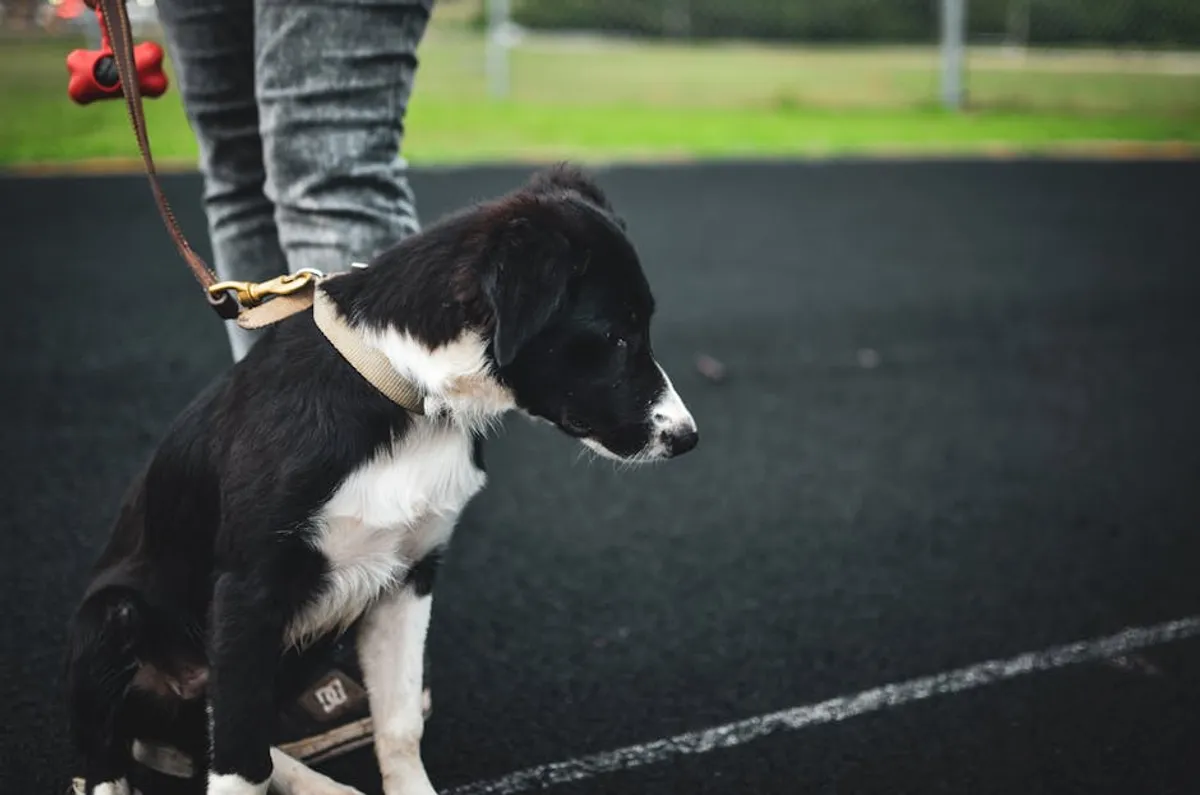
- Leash Training: Start with short periods wearing a lightweight collar and leash indoors. Allow the puppy to get used to the feel before attempting walks. Reward loose-leash walking, stopping if the puppy pulls, and only resuming when the leash slackens.
Socialization: Exposure for Confidence
The critical socialization window for puppies is typically between 3 and 16 weeks of age. During this period, expose your puppy to a wide variety of sights, sounds, people, and other vaccinated, friendly dogs in a positive, controlled manner. This exposure helps prevent fear-based aggression or anxiety later in life.
Key approach: Ensure all experiences are positive. If the puppy shows fear, maintain distance from the trigger and offer treats, slowly decreasing the distance as comfort increases.
Addressing Common Puppy Behaviors
Nipping and Biting Inhibition
Puppies explore with their mouths and often nip during play. Teach bite inhibition by reacting with a sharp "ouch!" or "yelp!" when the puppy bites too hard, then immediately withdrawing attention for 30-60 seconds. This mimics how littermates teach each other bite pressure. If the puppy continues to nip, redirect them to appropriate chew toys.
Objective: To teach the puppy that human skin is sensitive and that play stops when teeth make painful contact.
Chewing Management
Chewing is a natural puppy behavior, especially during teething. Provide a variety of appropriate chew toys with different textures. When you catch your puppy chewing on something inappropriate, calmly interrupt the behavior, redirect them to an approved chew toy, and praise them for chewing the correct item. Puppy-proof your home by removing tempting, valuable, or dangerous items from their reach.
Strategy: Offer appealing alternatives and manage the environment to prevent unwanted chewing.
Sustaining Progress
Ongoing Practice and Patience
Training is an ongoing process, not a one-time event. Continue to reinforce commands and positive behaviors throughout your dog's life. Be patient; puppies, like children, have short attention spans and will make mistakes. Consistency and positive reinforcement, even during setbacks, are paramount.
When to Seek Professional Help
If you encounter persistent behavioral challenges that you cannot resolve independently, or if your puppy exhibits signs of aggression or severe anxiety, consult a certified professional dog trainer or veterinary behaviorist. Early intervention can prevent minor issues from escalating into significant problems.
Building a Well-Adjusted Companion
Effective puppy training is a comprehensive process that requires dedication, consistency, and a deep understanding of canine development. By establishing clear routines, utilizing positive reinforcement, and addressing key areas like potty training, socialization, and basic obedience, you lay the groundwork for a well-behaved, confident, and happy adult dog. This proactive approach minimizes future behavioral issues, strengthens the human-animal bond, and ensures your companion seamlessly integrates into your life. The initial investment of time and effort yields a lifetime of positive interactions and a truly valued family member.
Frequently Asked Questions
How long does it take to fully train a puppy?
The timeline varies significantly depending on the individual puppy's temperament, breed, and the owner's consistency. Basic potty training and commands can take several weeks to a few months, while full socialization and advanced obedience are ongoing processes throughout the dog's first year and beyond.
What is the most important thing to teach a puppy first?
Potty training and bite inhibition are often considered the most critical initial lessons. Potty training establishes house manners, and bite inhibition teaches the puppy appropriate interaction with humans, preventing painful nips.
Can I start training my puppy too early?
No, you cannot start too early. Puppies begin learning from the moment they are born. Basic socialization, exposure to new environments, and gentle introduction to concepts like crate training and positive reinforcement for desired behaviors can begin as soon as you bring your puppy home (typically 8 weeks old).