Adopting a pet represents a profound commitment, extending far beyond the initial excitement of bringing a new companion home. This decision impacts not only your daily routine and finances but also the emotional well-being of a sentient creature for the next decade or more. A comprehensive pet adoption checklist serves as an indispensable framework, ensuring prospective owners meticulously evaluate their readiness, navigate the adoption process with clarity, and establish a stable, nurturing environment from day one. This structured approach minimizes unforeseen challenges and significantly increases the likelihood of a successful, enduring bond between pet and adopter.
Pre-Adoption Preparation: Assessing Your Readiness
Before initiating contact with shelters, a thorough self-assessment is critical. This stage involves an honest evaluation of your lifestyle, financial capacity, and household dynamics to determine the most suitable type of pet and to ensure you can meet its long-term needs.
Lifestyle Compatibility
Consider how a pet integrates into your existing daily life. A dog requires consistent exercise, often multiple times daily, and dedicated training. A cat, while more independent, still needs play, mental stimulation, and regular litter box maintenance. Evaluate your typical work schedule, social commitments, and travel frequency. An active individual might thrive with a high-energy dog, while someone with a quieter routine might prefer a senior pet or a less demanding breed. Your living situation also dictates suitability; an apartment dweller may find a large, boisterous dog challenging without ample access to outdoor space, whereas a small dog or cat can adapt readily. Always check landlord pet policies, including size, breed restrictions, and any associated fees or deposits, before committing.
Financial Considerations
Pet ownership carries substantial financial implications, both immediate and ongoing. Initial expenses include adoption fees, which typically cover spaying/neutering, initial vaccinations, and microchipping. Beyond that, anticipate costs for essential supplies: food and water bowls, appropriate food, a collar, leash, ID tags, a bed, crate (if applicable), toys, and grooming tools. The first veterinary visit post-adoption is crucial for a comprehensive health check. Long-term, budget for premium pet food, annual veterinary check-ups, preventative medications (flea, tick, heartworm), potential emergency medical care, pet insurance, and professional grooming or training if needed. An emergency fund specifically for pet health crises is a practical safeguard against unexpected large veterinary bills, which can easily range into thousands of dollars.
Household Dynamics
The existing composition of your household plays a significant role in pet selection. If other pets are present, consider their temperament and past interactions with new animals. Gradual, supervised introductions are paramount. For households with children, select a pet known for patience and a gentle disposition, and educate children on appropriate interaction. Some pets, particularly those with a history of neglect or abuse, may require a quieter environment. Lastly, assess any family allergies; certain breeds are considered hypoallergenic, though no animal is entirely allergen-free.
The Adoption Process: Navigating Shelters and Rescues
Once you've assessed your readiness, the next step involves engaging with reputable adoption organizations. This stage is about finding the right match and understanding the commitment involved.
Researching Reputable Organizations
Prioritize shelters and rescue groups known for transparent operations and comprehensive animal care. Look for organizations that:
- Are registered non-profits, indicating a mission-driven rather than profit-driven approach.
- Provide thorough medical evaluations, vaccinations, spaying/neutering, and microchipping for all animals.
- Implement robust screening processes for potential adopters, including applications, interviews, and sometimes home visits, demonstrating a commitment to finding suitable homes.
- Offer post-adoption support, such as behavioral advice or return policies, which indicates a dedication to the animal's long-term welfare.
- Are transparent about an animal's history, known medical conditions, and behavioral quirks.
Application and Interview
The application process is designed to ensure a good match. Be honest and thorough in your responses regarding your living situation, lifestyle, and experience with pets. Many organizations conduct interviews, which are opportunities for both parties to ask questions. Some rescues perform home visits to assess the safety and suitability of your environment. These steps, while sometimes extensive, protect both the animal and the adopter by preventing mismatches.
Meeting Potential Pets
When meeting animals, observe their behavior in different contexts. Ask detailed questions about their history, known temperament with other animals or children, energy levels, and any specific behavioral or medical needs. Spend time interacting with the animal to gauge compatibility. Consider "foster-to-adopt" programs if available, which allow a trial period to ensure the pet is a good fit for your home before finalizing the adoption.
Pro Tip: Allow your newly adopted pet a "decompression period" of several days to a few weeks. This is a time for them to adjust to their new surroundings, routines, and family members without pressure. Avoid overwhelming them with too many new experiences, visitors, or changes during this initial phase. Patience and a predictable environment are crucial for a smooth transition.
Bringing Your New Pet Home: The First Weeks
The initial days and weeks are critical for establishing routines, building trust, and ensuring your new pet's health and safety.
Setting Up Your Home Environment
Before your pet arrives, prepare a designated safe space. This might be a crate, a specific room, or a quiet corner with their bed, food, and water. This area provides security and a retreat. Ensure all necessary supplies are in place: appropriate food, water bowls, a litter box (for cats) or a designated potty area (for dogs), and a selection of safe toys. Critically, pet-proof your home by securing toxic substances, electrical cords, small ingestible items, and identifying any toxic plants. Prevent access to areas where the pet could get stuck or injured.
Establishing Routine and Training
Consistency is key. Implement a predictable schedule for feeding, potty breaks, exercise, and play. This predictability reduces anxiety and helps pets understand expectations. Begin basic obedience training immediately using positive reinforcement methods. This builds communication and strengthens your bond. For dogs, early socialization with other vaccinated, friendly dogs and exposure to various sights and sounds is beneficial, but always in a controlled, positive manner. For cats, provide scratching posts, climbing structures, and interactive toys to satisfy natural instincts.
Veterinary Care and Health
Schedule an initial veterinary check-up within the first few days or weeks of adoption, even if the shelter provided a health certificate. This allows your veterinarian to establish a baseline, address any lingering health concerns, and discuss a long-term wellness plan. Ensure all vaccinations are current and discuss deworming, microchipping (if not already done), and preventative care for fleas, ticks, and heartworm. This proactive approach safeguards your pet's health and prevents costly issues later.
Sustaining a Lifetime Bond
Adopting a pet is the beginning of a long-term relationship. Maintaining that bond requires ongoing commitment to their physical and emotional needs. Continue with consistent training, providing mental enrichment through puzzles and new experiences, and ensuring regular exercise tailored to their breed and age. Annual veterinary check-ups remain vital for early detection of health issues. Remember that a pet is a family member who thrives on attention, routine, and a secure environment. Your dedication ensures they live a fulfilling, healthy life by your side.
Frequently Asked Questions
How long does the pet adoption process usually take?
The duration varies significantly depending on the organization's specific requirements, the number of applications they receive, and the availability of suitable pets. It can range from a few days for a quick match and approval to several weeks if home visits, background checks, or multiple interviews are part of the process.
What if my adopted pet isn't adjusting well?
It's common for adopted pets to need time to adjust. If issues persist beyond a few weeks, contact the adoption organization for guidance. Many offer post-adoption support, resources for behavioral training, or advice from experienced staff. In some cases, professional behavioral consultation may be recommended.
Should I adopt a puppy/kitten or an adult pet?
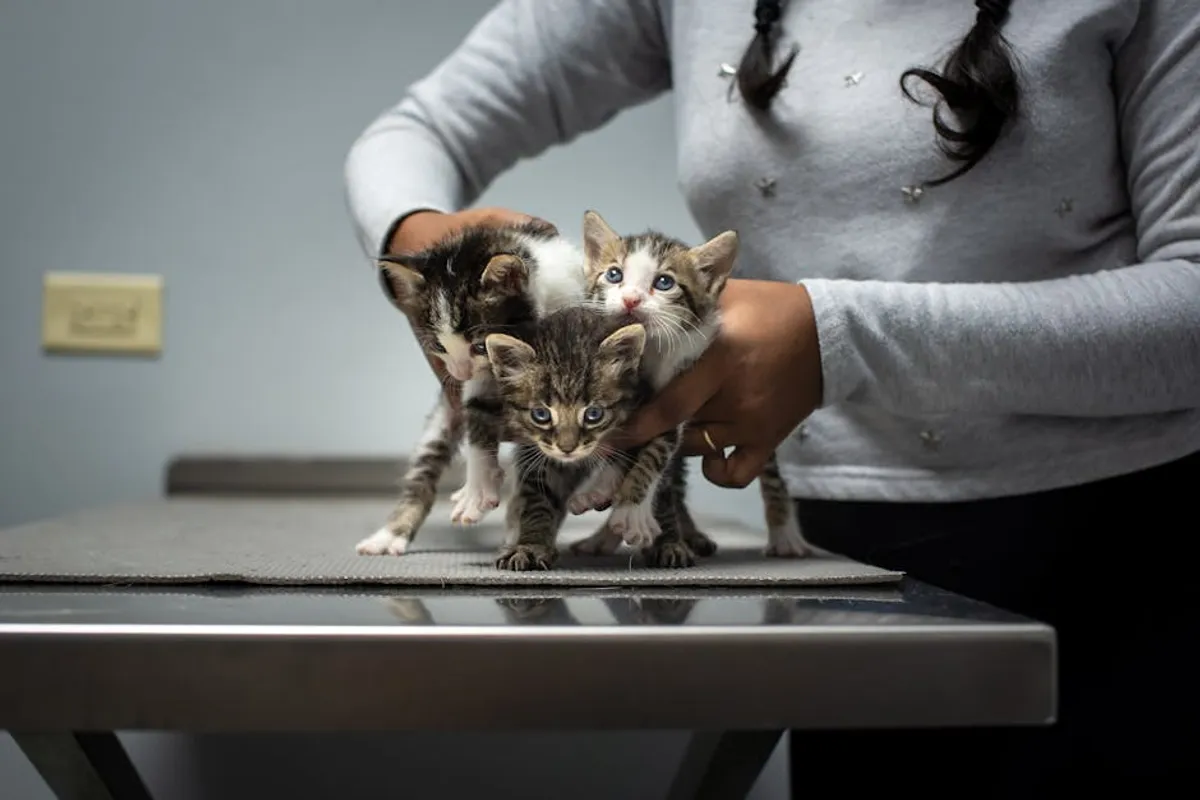
Puppies and kittens require extensive training, socialization, and constant supervision, demanding a significant time commitment. Adult pets often come with established personalities and may already be house-trained or have basic obedience skills, making their integration potentially smoother, especially for first-time owners or those with busier lifestyles.
What are common reasons pets are returned to shelters?
Common reasons include behavioral issues (often due to lack of training or understanding), unforeseen allergies, financial constraints, changes in living situation (moving, landlord restrictions), or a mismatch in lifestyle expectations. Thorough pre-adoption planning, as outlined in this checklist, significantly reduces the likelihood of these outcomes.