
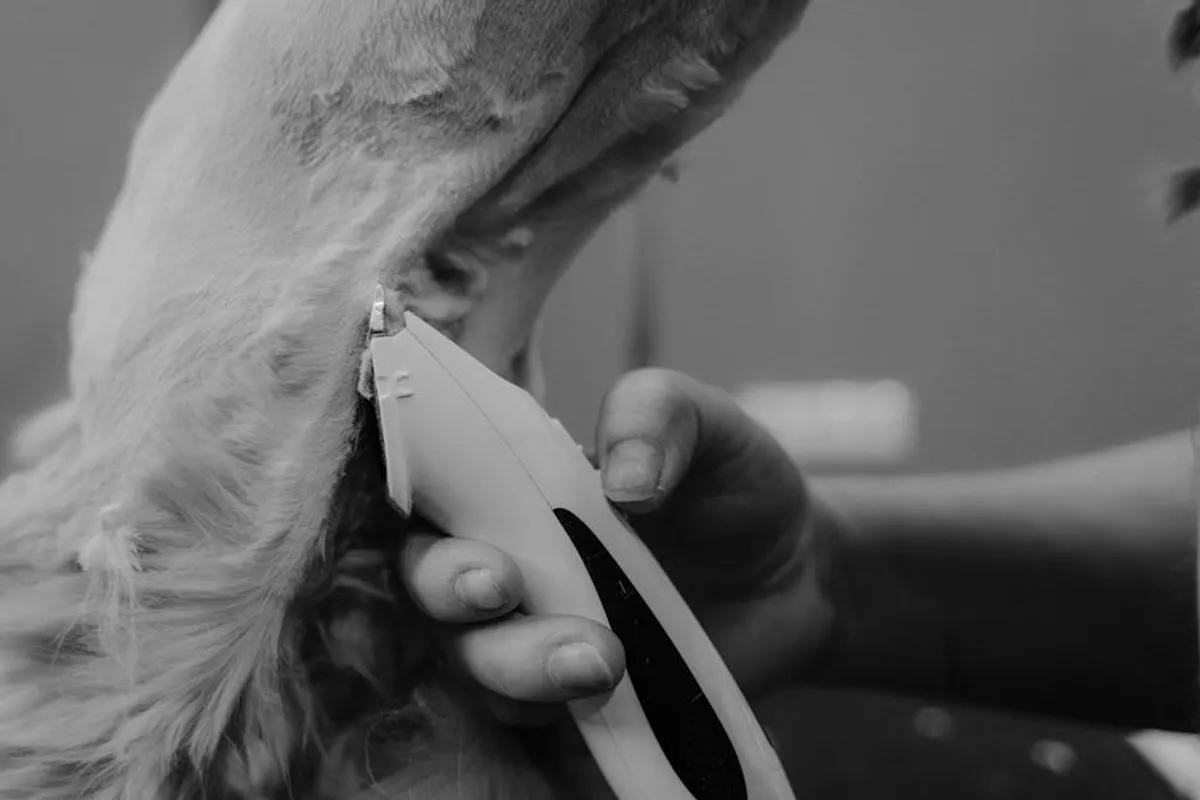
Beyond mere aesthetics, consistent pet grooming forms a fundamental component of your animal's overall health regimen, directly impacting skin integrity and coat vitality. A well-maintained coat prevents matting, which can lead to painful skin infections and restricted movement, while regular skin checks during grooming sessions allow for early detection of parasites, lumps, or irritations. Understanding the specific needs of your pet's skin and coat type, and implementing appropriate grooming techniques, is crucial for their comfort and long-term well-being.
Essential Brushing Techniques and Tools
Regular brushing is the cornerstone of a healthy coat, preventing tangles and mats while distributing natural skin oils for a glossy finish. The choice of brush depends heavily on your pet's coat type.
- Slicker Brushes: Best for medium to long-haired breeds, these brushes feature fine, short wires packed closely together on a flat or curved surface. They excel at removing loose undercoat, preventing mats, and detangling without pulling excessively on the topcoat. Use short, gentle strokes, working in layers.
- Bristle Brushes: Ideal for short-haired breeds like Beagles or Pugs, bristle brushes have natural or synthetic bristles that stimulate skin circulation and distribute natural oils, enhancing shine and removing loose surface hair. They are less effective for deep de-shedding.
- Pin Brushes: Similar in appearance to human hairbrushes, pin brushes feature widely spaced metal pins with rounded ends. They are suitable for pets with long, silky, or wiry coats, helping to detangle and remove loose hair without damaging the coat. They are not as effective for removing undercoat.
- De-shedding Tools: Tools like undercoat rakes are specifically designed to remove dead undercoat from double-coated breeds such as Huskies or Golden Retrievers. These should be used sparingly and carefully to avoid irritating the skin or cutting the guard hairs.
Frequency: Daily brushing is optimal for long-haired breeds to prevent mats, while short-haired pets may only require brushing a few times a week. Consistent, gentle brushing also serves as a bonding experience, making grooming more pleasant for your pet.
Bathing Best Practices for Skin Health
While brushing addresses surface issues, bathing is crucial for cleansing the skin and coat of dirt, allergens, and excess oils. However, over-bathing or using incorrect products can strip essential oils, leading to dry, itchy skin.
Shampoo Selection: Always use shampoos formulated specifically for pets. Their skin pH differs significantly from humans (dogs typically 6.5-7.5, cats around 6.0-7.0), and human shampoos can cause irritation and dryness. Look for:
- pH-balanced formulas: Ensures compatibility with your pet's skin.
- Hypoallergenic options: For pets with sensitive skin or known allergies.
- Medicated shampoos: Prescribed by a veterinarian for specific skin conditions like bacterial infections or fungal issues.
- Oatmeal-based shampoos: Known for their soothing properties for irritated skin.
Pro Tip: Always dilute pet shampoo with water before applying it to the coat. A 1:10 shampoo-to-water ratio helps distribute the product more evenly, makes rinsing easier, and reduces the risk of skin irritation from concentrated soap.
Bathing Process:
Use lukewarm water to avoid scalding or chilling your pet. Thoroughly wet the coat before applying shampoo, working it into a lather from neck to tail, paying close attention to paws and undercarriage. The most critical step is rinsing: residual shampoo can cause irritation and flaking. Rinse until the water runs clear and no suds remain. Follow with a pet-specific conditioner, if appropriate for your pet's coat type, to help seal in moisture and aid in detangling.
Nutrition's Impact on Coat Luster and Skin Integrity
A healthy coat and skin often reflect a pet's internal health, with nutrition playing a significant role. A diet rich in essential nutrients supports cellular function, including the rapid cell turnover required for healthy skin and hair growth.
Key Nutritional Components:
- Omega-3 and Omega-6 Fatty Acids: Found in fish oil, flaxseed, and certain animal fats, these polyunsaturated fats are vital for maintaining skin barrier function, reducing inflammation, and promoting a shiny coat. Deficiencies can lead to dry, flaky skin and a dull coat.
- Protein: Hair is primarily composed of protein (keratin). Adequate high-quality protein in the diet ensures strong hair shafts and reduces excessive shedding.
- Vitamins and Minerals: Vitamin A supports skin cell production, Vitamin E acts as an antioxidant, and B vitamins (especially biotin) are crucial for coat health. Zinc and copper are also essential for pigmentation and hair strength.
Ensure your pet's food is a complete and balanced formula appropriate for their life stage and breed. If skin or coat issues persist despite a good diet, consult your veterinarian about potential dietary supplements or changes.
Addressing Common Skin and Coat Issues
Regular grooming provides an opportunity to identify and address common problems before they escalate.
Dry, Flaky Skin: Often caused by low humidity, over-bathing, or dietary deficiencies. Ensure adequate hydration, use moisturizing shampoos, and consider omega fatty acid supplements. If persistent, a vet visit is warranted to rule out underlying conditions.
Excessive Shedding: While some shedding is normal, excessive hair loss can indicate stress, poor nutrition, allergies, or hormonal imbalances. De-shedding tools and a high-quality diet can help manage normal shedding, but unusual patterns require veterinary assessment.
Mats and Tangles: Preventable with regular brushing. If mats form, carefully work them out with a detangling spray and a comb, or use blunt-nosed scissors to cut them out if they are too tight, always cutting away from the skin. Severe matting may require professional grooming to shave them off safely.
Lumps, Bumps, and Redness: Any new growths, persistent redness, or signs of irritation should be examined by a veterinarian. These can indicate allergies, infections, parasites, or more serious conditions.
Maintaining a Healthy Coat and Skin
Establishing a consistent grooming schedule, tailored to your pet's specific breed and coat type, is the most effective strategy for preventing common skin and coat issues. Combine regular brushing with appropriate bathing, a high-quality diet, and routine checks for any abnormalities. This proactive approach not only keeps your pet looking their best but also contributes significantly to their overall health and comfort.
Frequently Asked Questions
How often should I groom my pet?
The frequency varies by breed and coat type; long-haired breeds typically need daily brushing and professional grooming every 4-8 weeks, while short-haired pets may only require weekly brushing and occasional bathing.
Can I use human hair products on my pet?
No, human hair products are formulated for a different skin pH and can strip natural oils from your pet's skin, leading to dryness, irritation, and increased susceptibility to skin infections. Always use pet-specific products.
What if my pet hates being groomed?
Introduce grooming tools and procedures gradually, using positive reinforcement with treats and praise. Keep sessions short initially and build up duration. For highly anxious pets, consult a professional groomer or veterinarian for advice on desensitization techniques.
When should I seek professional help for my pet's skin or coat?
Consult a veterinarian if you notice persistent itching, excessive shedding, skin redness, unusual lumps or bumps, foul odors from the skin or ears, or any changes in coat texture that do not resolve with routine grooming and a balanced diet.