
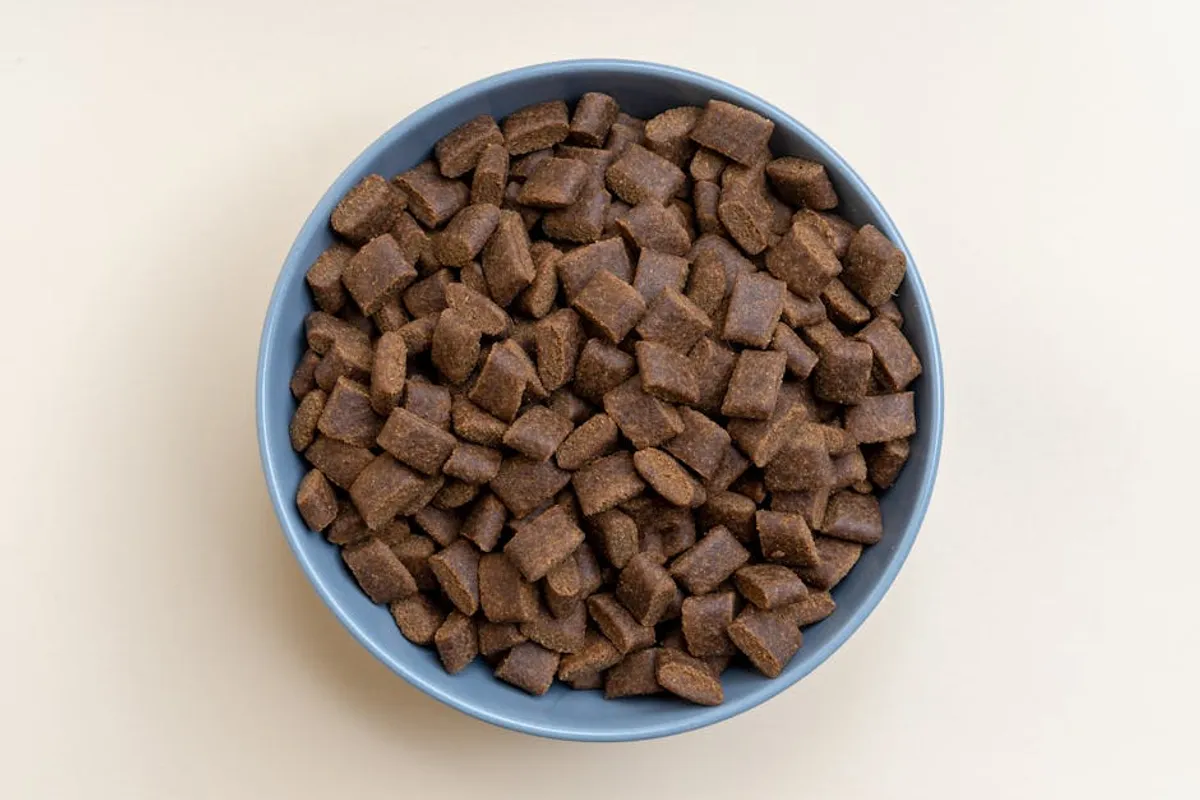
For content strategists and publishers targeting the pet care market, understanding pet nutrition basics is not merely a niche interest; it is a foundational requirement for building authority and driving commercial success. Pet owners are increasingly discerning, seeking accurate, science-backed information to make informed decisions about their companions' health. Content that genuinely educates on nutrition, without resorting to fads or misinformation, establishes trust and positions a brand as a reliable resource. This approach directly influences search visibility for high-intent queries and fosters a loyal audience actively seeking nutritional guidance and, subsequently, relevant products.
Core Nutritional Pillars for Pets
Effective pet nutrition content begins with a clear understanding of the essential dietary components. These aren't just buzzwords; they represent the fundamental building blocks of a pet's health and vitality. Content addressing these pillars should explain their function and optimal sources, providing actionable information for owners.
- Proteins: Essential for muscle development, tissue repair, enzyme production, and immune function. High-quality animal-based proteins (e.g., chicken meal, lamb, fish) provide a complete amino acid profile crucial for carnivores and omnivores alike.
- Fats: Concentrated energy sources, vital for nutrient absorption (fat-soluble vitamins A, D, E, K), skin and coat health, and organ protection. Omega-3 and Omega-6 fatty acids are particularly important for anti-inflammatory processes and cognitive function.
- Carbohydrates: Provide readily available energy and dietary fiber. While not strictly essential for carnivores like cats, digestible carbohydrates (e.g., sweet potato, barley) can be beneficial for energy, gut health, and stool quality, especially in dog diets.
- Vitamins: Organic compounds regulating metabolic processes. Each vitamin (e.g., Vitamin A for vision, B vitamins for energy metabolism, Vitamin C as an antioxidant) plays a specific role, and deficiencies can lead to severe health issues.
- Minerals: Inorganic elements crucial for bone formation, nerve transmission, fluid balance, and hormone production. Calcium, phosphorus, potassium, and zinc are examples of vital macro and microminerals.
- Water: The most critical nutrient, often overlooked. Essential for hydration, nutrient transport, temperature regulation, and waste elimination. Content should always emphasize constant access to fresh water.
Tailoring Diets: Life Stage and Species-Specific Needs
A "one-size-fits-all" approach to pet nutrition content is inadequate for today's informed owner. Effective content recognizes that nutritional requirements vary significantly based on species, age, activity level, and health status.
Canine Nutritional Considerations
Dogs, being omnivores, have adaptable digestive systems. Content should address:
- Puppies: High energy and protein for rapid growth, balanced calcium/phosphorus for skeletal development.
- Adult Dogs: Maintenance diets based on activity level and breed size. Highly active dogs require more calories and fat.
- Senior Dogs: Often need fewer calories, higher fiber, and joint-supporting nutrients like glucosamine and chondroitin.
- Breed-Specific: Some breeds are prone to certain conditions (e.g., large breeds and joint issues, small breeds and dental concerns) that can be supported by specific dietary formulations.
Feline Nutritional Considerations
Cats are obligate carnivores with unique metabolic requirements. Content must highlight:
- High Protein: Cats require significantly higher protein levels than dogs.
- Taurine: An essential amino acid unique to cats; deficiency leads to serious heart and eye problems.
- Arachidonic Acid: An essential fatty acid found only in animal fats.
- Vitamin A (preformed): Cats cannot convert beta-carotene to Vitamin A and require it directly from animal sources.
- Low Carbohydrate Tolerance: Their metabolism is not well-adapted to high carbohydrate intake.
- Water Intake: Cats often derive much of their water from food, making wet food beneficial for hydration.
Deciphering Pet Food Labels for Commercial Content
Content that empowers owners to understand pet food labels directly supports commercial intent by helping them evaluate products. Explaining the nuances of guaranteed analysis, ingredient lists, and AAFCO statements provides tangible value.
Guaranteed Analysis: This section lists the minimum percentages of crude protein and crude fat, and maximum percentages of crude fiber and moisture. Content should clarify that these are "as fed" values, and dry matter basis calculations are often needed for accurate comparison between wet and dry foods.
Ingredient List: Ingredients are listed by weight, descending. Educate users on identifying quality protein sources (e.g., "chicken meal" vs. "chicken"), understanding by-products (which can be nutritious), and recognizing common fillers or allergens.
AAFCO Statement: The Association of American Feed Control Officials (AAFCO) defines nutritional standards. Content should explain what "complete and balanced" means, distinguishing between formulations for "all life stages," "growth," "maintenance," or "gestation/lactation." This statement is a critical indicator of a food's nutritional adequacy.
Pro Tip: When developing content around pet nutrition, always emphasize the importance of consulting a veterinarian or a board-certified veterinary nutritionist. While general advice is useful, individual pet needs, especially those with health conditions, require professional assessment. Promoting responsible pet ownership through expert consultation builds credibility and trust for any pet-related platform.
Addressing Common Nutritional Misconceptions
The pet nutrition landscape is rife with misinformation. High-value content actively debunks myths and provides evidence-based perspectives, guiding owners away from potentially harmful trends.
- Grain-Free Diets: While beneficial for pets with diagnosed grain allergies, the widespread promotion of grain-free diets for all pets led to concerns about dilated cardiomyopathy (DCM) in some breeds. Content should explain the current understanding and ongoing research, advising caution and veterinary consultation.
- Raw Food Diets: Discuss the potential benefits (e.g., digestibility for some pets) alongside significant risks, such as bacterial contamination (salmonella, E. coli) for both pets and humans, and the challenge of ensuring complete and balanced nutrition without expert formulation.
- Human Food as Treats/Meals: Educate on common toxic foods (chocolate, xylitol, grapes, onions) and the dangers of feeding unbalanced human food scraps, which can lead to nutritional deficiencies or obesity.
- Over-Supplementation: Explain that "complete and balanced" commercial diets typically negate the need for additional supplements unless specifically recommended by a vet, as excessive vitamins or minerals can be harmful.
Practical Content Applications for Authority Building
For publishers, translating pet nutrition basics into actionable content involves strategic keyword targeting and a commitment to accuracy. Focus on creating evergreen resources that address both informational and commercial intent.
Develop comprehensive guides on topics like "Choosing the Best Food for Your Senior Dog with Kidney Disease" or "Understanding Cat Food Ingredients: A Deep Dive." These long-tail keywords capture highly motivated users. Integrate expert quotes from veterinary professionals to enhance E-A-T (Expertise, Authoritativeness, Trustworthiness). Use clear, concise language, supported by internal links to related articles (e.g., "Symptoms of Food Allergies in Dogs") and external links to reputable sources (e.g., AAFCO, veterinary college resources).
Actionable Steps for Content Creation
To effectively leverage pet nutrition basics, focus your content development on these key areas:
- Audience Segmentation: Create content specifically for different pet owner demographics (e.g., new puppy owners, owners of senior cats, owners managing specific health conditions).
- Problem-Solution Framing: Address common owner concerns directly. For example, "Is Your Dog Itchy? Exploring Food Allergy Solutions" or "Weight Management for Overweight Cats: A Nutritional Guide."
- Comparative Analysis (Fact-Based): Instead of endorsing specific brands, offer objective comparisons of different food types (e.g., kibble vs. wet vs. freeze-dried) based on nutritional profiles, cost, and suitability for various pet needs.
- Visual Aids and Infographics: Simplify complex nutritional information with charts, diagrams, and infographics explaining nutrient functions or label components.
- Regular Updates: Pet nutrition science evolves. Commit to regularly reviewing and updating content to reflect the latest research and veterinary recommendations.
Frequently Asked Questions About Pet Nutrition
What does "complete and balanced" mean on a pet food label?
It means the food meets the nutritional requirements established by AAFCO for a specific life stage (e.g., growth, adult maintenance) or for all life stages, ensuring it provides all essential nutrients in appropriate amounts.
Are grain-free diets better for all pets?
No. Grain-free diets are only necessary for pets with diagnosed grain allergies. For most pets, grains are a digestible source of carbohydrates and nutrients. Recent concerns about a potential link between some grain-free diets and heart disease (DCM) highlight the importance of veterinary consultation.
How can I tell if my pet's food is high quality?
Look for a clear AAFCO statement, a guaranteed analysis that meets your pet's needs, and an ingredient list where a named animal protein (e.g., chicken, salmon) is among the first few ingredients. Prioritize foods backed by scientific research and formulated by veterinary nutritionists.
Should I give my pet supplements?
Most commercially prepared, "complete and balanced" pet foods provide all the necessary nutrients. Supplements are generally not needed unless recommended by a veterinarian to address a specific deficiency or health condition.