
Understanding predator animals extends beyond a simple recognition of hunters and their prey. For any professional seeking to comprehend ecological dynamics, wildlife management, or even the intricate balance of natural systems, a precise and detailed explanation of predation is essential. This article offers a comprehensive breakdown of predator animals, defining their biological roles, diverse classifications, specialized adaptations, and the critical impacts they exert within ecosystems. The aim is to provide a clear, actionable framework for grasping one of nature's most fundamental interactions.
Defining Predation: Beyond Simple Hunting
Predation, in a biological context, is an interaction where one organism, the predator, kills and eats another organism, its prey. This definition is specific, differentiating predation from other biotic interactions like scavenging (consuming dead organisms), parasitism (one organism living off another without immediately killing it), or herbivory (consuming plants). The core characteristic of a true predator is the active pursuit, capture, and consumption of live prey, resulting in the death of the prey organism.
Key Characteristics of a Predator
- Active Pursuit or Ambush: Predators engage in behavior designed to secure live food. This can involve high-speed chases, stealthy ambushes, or complex trapping mechanisms.
- Direct Mortality: The act of predation directly leads to the death of the prey. This distinguishes it from interactions where the host or organism is merely harmed or weakened.
- Energy Transfer: Predation is a primary mechanism for energy transfer through trophic levels within an ecosystem, moving energy from lower (prey) to higher (predator) levels.
- Adaptations for Capture: Predators possess specialized physical and behavioral traits evolved specifically for detecting, capturing, and consuming prey.
Categorizing Predator Types
Predators are not a monolithic group; they exhibit vast diversity in their methods, diets, and ecological functions. Classification often considers their primary diet or their position within the food web.
Dietary Classifications
While often associated with meat-eating, the term "predator" can encompass a broader range of dietary specializations:
- Carnivores: Organisms that primarily consume animal tissue. This is the most common association with predation (e.g., lions, wolves, eagles).
- Insectivores: A specialized type of carnivore that feeds predominantly on insects and other small invertebrates (e.g., anteaters, shrews, many bird species).
- Piscivores: Predators that specialize in eating fish (e.g., ospreys, piranhas, some bear species).
- Omnivores: Organisms that consume both plants and animals. While not exclusively predators, many omnivores actively hunt and consume prey (e.g., bears, raccoons, humans).
Ecological Roles
Beyond diet, predators are categorized by their functional role and influence within their ecosystem:
- Apex Predators: Occupy the highest trophic level and have no natural predators themselves (e.g., killer whales, great white sharks, tigers). They exert top-down control on ecosystems.
- Mesopredators: Mid-ranking predators that are themselves preyed upon by apex predators (e.g., foxes, coyotes, domestic cats in some environments). Their populations can increase dramatically with the decline of apex predators, leading to mesopredator release.
- Keystone Species: Predators whose presence and role in an ecosystem have a disproportionately large effect on other species within the system. Their removal often leads to a cascade of ecological changes (e.g., sea otters, wolves in Yellowstone).
Adaptive Strategies for Successful Predation
The success of a predator hinges on an array of highly specialized adaptations, refined through natural selection to overcome prey defenses.
Sensory Enhancements
Predators often possess heightened senses tailored to their hunting environments:
- Vision: Many diurnal predators have acute vision, often with binocular sight for depth perception (e.g., eagles, felines). Nocturnal predators may have excellent low-light vision (e.g., owls).
- Olfaction (Smell): Canids (dogs, wolves) and bears rely heavily on their sense of smell to track prey over long distances or detect hidden animals.
- Audition (Hearing): Owls possess exceptional directional hearing, allowing them to pinpoint prey movement in complete darkness. Bats use echolocation, a form of active sonar.
- Electrolocation: Certain aquatic predators, like sharks and platypuses, can detect the faint electrical fields generated by muscle contractions in their prey.
Physical Tools
Morphological adaptations are crucial for capture and consumption:
- Claws and Talons: Sharp, retractable claws (felines) or powerful, curved talons (raptors) are used to grasp and subdue prey.
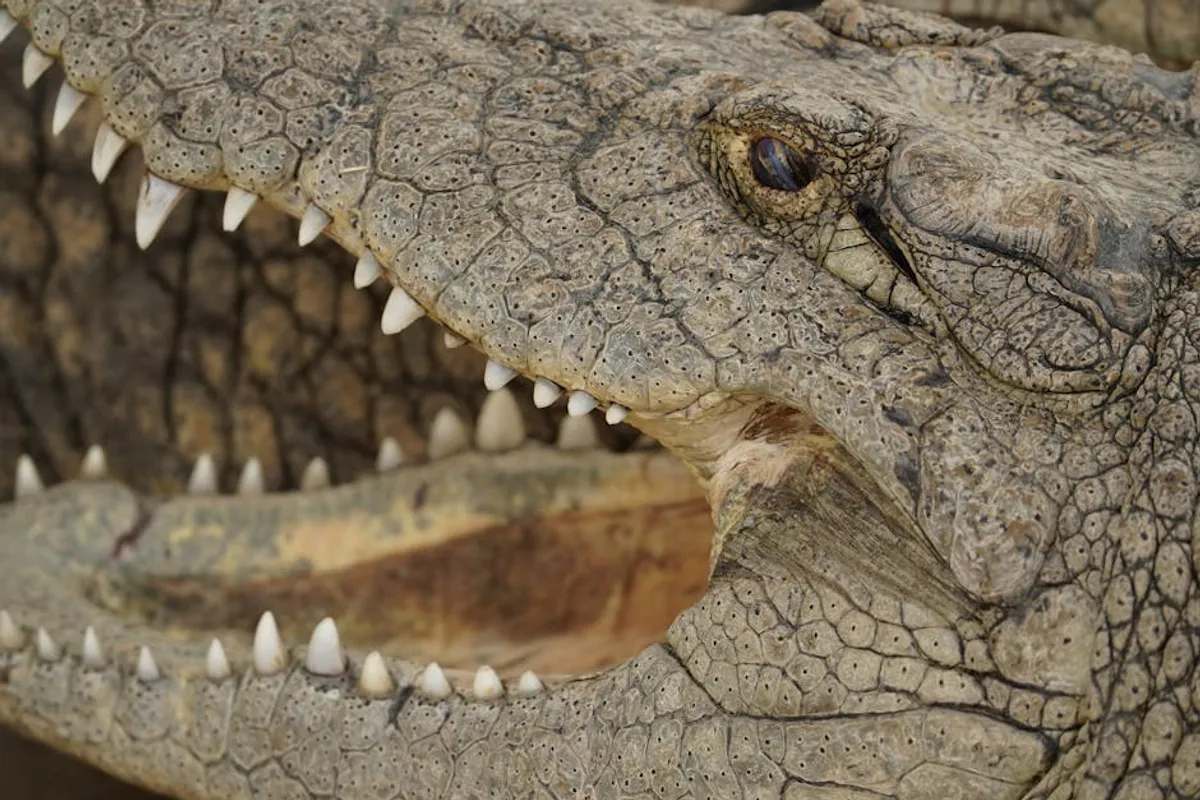
- Teeth and Jaws: Carnassial teeth for shearing flesh (carnivores), powerful crushing jaws (crocodilians), or venom-injecting fangs (snakes) are common.
- Venom and Poisons: Used to immobilize, kill, or begin digestion of prey (e.g., snakes, spiders, some marine cone snails).
- Constriction: Non-venomous snakes like boas and pythons use powerful body coils to suffocate their prey.
Behavioral Tactics
Predators employ diverse strategies to outwit their prey:
Pro Tip: When analyzing predator-prey dynamics, remember that every successful predatory adaptation is often mirrored by a corresponding prey defense mechanism. This co-evolutionary arms race drives much of natural selection.
- Ambush Hunting: Remaining hidden and striking suddenly when prey comes within range (e.g., crocodiles, praying mantises, some spiders).
- Pursuit Hunting: Actively chasing down prey, often relying on speed and endurance (e.g., cheetahs, wolves, falcons).
- Pack Hunting: Cooperative hunting strategies that allow predators to tackle larger or more formidable prey than they could alone (e.g., wolves, wild dogs, killer whales).
- Mimicry: Some predators mimic harmless species or environmental features to get close to unsuspecting prey (e.g., anglerfish, certain snakes).
The Crucial Ecological Impact of Predators
Predators are indispensable for maintaining the health and stability of ecosystems. Their role extends far beyond simply reducing prey numbers.
Population Control and Health
Predators regulate prey populations, preventing overgrazing or overpopulation that could degrade habitats. They often target the weak, sick, or old individuals, thereby improving the overall genetic fitness and health of the prey population.
Biodiversity Maintenance
By controlling dominant herbivore populations, predators can prevent certain plant species from being overconsumed, allowing for a greater diversity of flora to thrive. This, in turn, supports a wider array of other species.
Trophic Cascades
The presence or absence of apex predators can trigger "trophic cascades," which are dramatic top-down effects throughout an ecosystem. For instance, the reintroduction of wolves to Yellowstone National Park led to changes in elk grazing patterns, allowing riparian vegetation to recover, which subsequently benefited beaver populations and altered river morphology.
Human Interactions and Conservation
The relationship between humans and predators is complex, often marked by conflict, fear, and increasingly, conservation efforts.
Conflict and Coexistence
Predators can pose challenges to human interests, particularly in agricultural areas where livestock predation occurs. This often leads to retaliatory killings, threatening predator populations. Effective conservation strategies focus on promoting coexistence through non-lethal deterrents, compensation programs, and education.
Conservation Challenges
Many large predator species are endangered due to habitat loss, prey depletion, and direct persecution. Their conservation is critical not only for their intrinsic value but also for the health of the ecosystems they inhabit. Protecting predators often requires landscape-scale conservation efforts that consider entire food webs and human-wildlife interfaces.
Understanding Predator Dynamics
A thorough understanding of predator animals reveals them as sophisticated biological entities, fundamentally shaping the world's ecosystems. Their diverse adaptations, complex behaviors, and profound ecological impacts underscore their importance. For any professional engaged with natural systems, recognizing these dynamics is not merely academic; it is foundational for effective management, conservation, and communication.
Frequently Asked Questions
What is the primary difference between a predator and a scavenger?
A predator actively hunts, kills, and consumes live prey, directly causing its death. A scavenger primarily consumes animals that are already dead, either from natural causes, accidents, or kills made by other predators.
Do all carnivores hunt, or are some also scavengers?
Most carnivores engage in some degree of scavenging, consuming carrion opportunistically. However, their primary mode of obtaining food is through active predation. Animals like hyenas are often considered facultative scavengers, meaning they scavenge frequently but also hunt.
How do predators avoid overhunting their prey to extinction?
Predator-prey populations typically exist in a dynamic equilibrium. Predators rarely drive their prey to extinction because as prey numbers decline, it becomes harder for predators to find food, leading to a decline in predator numbers. This allows prey populations to recover, creating a cyclical relationship. Habitat complexity and prey escape mechanisms also play significant roles.