
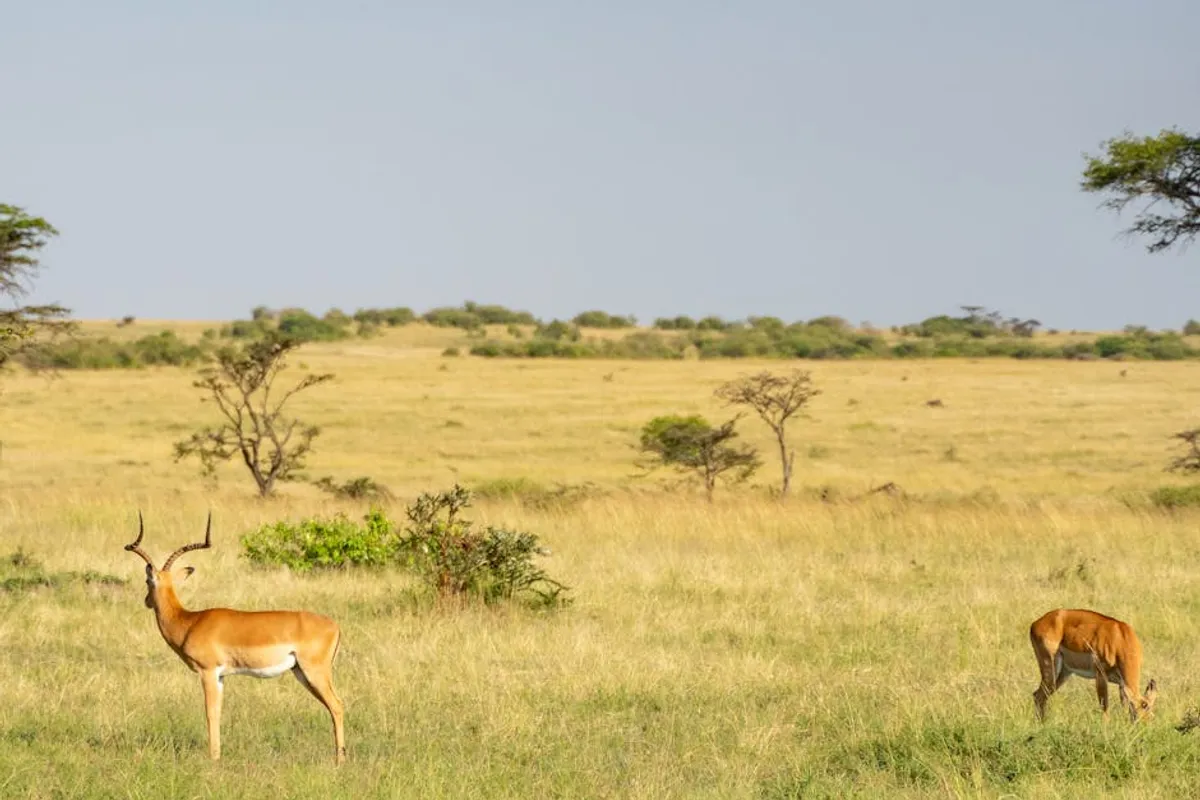
The "savanna animals" content niche offers a diverse landscape for SEO professionals and marketers seeking to cultivate authority and generate revenue. Understanding this broad topic requires more than just listing species; it demands a strategic approach to audience intent, content segmentation, and commercial opportunity. This guide outlines the foundational steps to establish a valuable content hub around savanna animals, focusing on actionable insights for audience engagement and monetization.
Deconstructing the Savanna Animals Niche
Approaching "savanna animals" as a content vertical involves recognizing its inherent breadth. It’s not a single keyword but a cluster of related topics, each with distinct search volume and commercial viability. Effective content strategy begins with segmenting this niche into manageable, targetable components.
Core Subject Areas and Sub-Niches
The primary categories within savanna animals extend beyond individual species. Consider the ecosystem itself, predator-prey dynamics, conservation efforts, geographical distribution, and even cultural significance. Sub-niches can be highly specific, such as "migration patterns of wildebeest," "social structure of meerkats," or "adaptations of African elephants to drought." Each of these represents a potential content cluster with unique keyword sets and user queries. Analyzing search demand for these granular topics reveals opportunities for long-tail content that addresses specific user needs, often with less competition.
Seasonal and Event-Driven Content Opportunities
The savanna animal niche is inherently dynamic, influenced by natural cycles and global events. The Great Migration in East Africa, for instance, drives significant seasonal search interest for terms like "wildebeest migration calendar" or "best time to see migration." Similarly, documentaries, conservation campaigns, or even major news events related to specific species can create spikes in search volume. Developing an editorial calendar that anticipates these cycles allows for timely, relevant content creation that captures transient but high-volume traffic. This proactive approach ensures content aligns with real-world interest fluctuations, maximizing visibility during peak periods.
Audience Intent Across the Savanna Animals Topic
Successful content delivery hinges on accurately identifying the user's intent behind their search query. For savanna animals, intent spans a wide spectrum, from casual curiosity to specific purchasing decisions. Addressing these varied intents requires a tailored content approach.
Informational Searches
A significant portion of search queries related to savanna animals is informational. Users seek facts, characteristics, behaviors, and habitat details. Examples include "what do lions eat," "where do zebras live," or "how fast can a cheetah run." Content designed for informational intent should be comprehensive, accurate, and easy to digest. This often involves detailed species profiles, comparison guides, and educational articles. While not directly transactional, strong informational content builds authority and trust, serving as the top of the funnel for broader engagement.
Commercial and Transactional Queries
Beyond pure information, users often have commercial intent. This can manifest in queries like "best binoculars for safari," "African safari tours review," "savanna animal toys for kids," or "conservation donation for rhinos." Content addressing commercial intent should guide users toward a solution or product. This includes product reviews, buying guides, service comparisons, and curated lists of related merchandise. For example, a guide on "choosing a safari camera" directly serves transactional intent, linking informational content to potential affiliate revenue.
Navigational and Brand-Specific Interest
Sometimes, users are looking for a specific entity or brand. This might involve searches for "National Geographic savanna animals" or "WWF elephant conservation." While less common for a beginner guide to the niche itself, understanding navigational intent is crucial for internal linking and brand building. If your content hub develops sufficient authority, users may eventually search directly for your specific resources, indicating strong brand recall and trust.
Pro Tip: Conduct a keyword gap analysis against established wildlife and travel sites. Identify high-volume, lower-competition terms related to specific savanna animal behaviors, conservation stories, or lesser-known species. These often represent opportunities to rank quickly and build initial topical authority before tackling broader, more competitive keywords.
Developing a Comprehensive Content Strategy
A robust content strategy for savanna animals integrates keyword research, diverse media, and authority-building principles to ensure discoverability and impact.
Keyword Research and Topic Clustering
Start with broad seed keywords like "savanna animals," "African wildlife," or "safari animals." Expand these using tools to identify related terms, long-tail variations, and question-based queries. Group these keywords into thematic clusters. For instance, a "lion" cluster might include "lion facts," "lion habitat," "lion vs tiger," and "lion conservation." Each cluster can then inform a series of interconnected articles, ensuring comprehensive coverage and strong internal linking. This structured approach signals topical expertise to search engines.
Visual Content and Multimedia Integration
The visual nature of savanna animals makes high-quality imagery and video indispensable. Incorporate stunning photographs, infographics detailing animal characteristics or migration routes, and embedded video clips of animal behavior. This not only enhances user engagement but also provides additional avenues for search visibility through image and video search. Ensure all visual assets are properly optimized with descriptive alt text and relevant filenames for accessibility and SEO benefit.
- High-resolution photographs of species in their natural habitat.
- Infographics explaining complex concepts like food chains or social structures.
- Short video clips demonstrating unique animal behaviors.
- Interactive maps showing migration paths or habitat distribution.
- Audio recordings of animal calls for educational content.
Authority Building and E-E-A-T Signals
For sensitive topics like wildlife and conservation, demonstrating Experience, Expertise, Authoritativeness, and Trustworthiness (E-E-A-T) is paramount. This involves citing credible sources (e.g., scientific journals, reputable conservation organizations), featuring content written or reviewed by subject matter experts (zoologists, conservationists), and maintaining factual accuracy. Clearly attribute information, provide links to original research, and ensure your content reflects a deep understanding of the subject matter. This builds credibility with both users and search engines.
Monetizing Savanna Animal Content
Transforming content into revenue requires understanding the various monetization models applicable to the savanna animals niche.
Affiliate Marketing and Product Recommendations
This niche lends itself well to affiliate marketing. Consider recommending products relevant to wildlife enthusiasts and travelers. Examples include:
Best for: Safari gear (binoculars, cameras, travel bags), wildlife art, educational toys, books on African wildlife, and even ethical travel insurance for safari trips. Integrate these recommendations naturally within buying guides, review articles, or "gear for your next adventure" sections, always disclosing affiliate relationships transparently.
Advertising and Sponsorships
Display advertising remains a viable option, particularly for high-traffic informational content. Beyond standard display ads, explore direct sponsorships with brands aligned with wildlife, travel, or conservation. This could involve sponsored articles, dedicated sections, or brand mentions integrated into relevant content, offering a more premium revenue stream than programmatic ads alone. Focus on partnerships that genuinely resonate with your audience to maintain trust.
Digital Products and Services
Consider creating your own digital products. This might include downloadable animal fact sheets, printable coloring pages for children, e-books on specific species, or even online courses about wildlife photography or conservation. For services, think about offering virtual tours, expert Q&A sessions, or personalized itinerary planning for wildlife viewing. These proprietary offerings provide higher profit margins and establish your content hub as a unique resource.
Building a Sustainable Savanna Animal Content Hub
Establishing a valuable content presence around savanna animals requires a long-term vision focused on consistent quality, audience engagement, and strategic monetization. By systematically addressing core subject areas, understanding diverse user intents, and implementing a robust content strategy, you can cultivate a resource that serves both informational needs and commercial opportunities. Regularly review content performance, adapt to new search trends, and continuously refine your approach to maintain relevance and authority within this captivating niche.
Frequently Asked Questions
What are the most popular savanna animals for content?
Lions, elephants, giraffes, zebras, rhinoceroses, and cheetahs consistently attract high search volume due to their iconic status and widespread interest. Focusing on these species first can help build initial audience engagement.
How can I find unique angles for savanna animal content?
Explore lesser-known species, focus on specific behaviors (e.g., parental care, hunting strategies), highlight conservation success stories, or delve into the ecological role of specific animals within the savanna ecosystem. Combining species with specific themes often uncovers unique, lower-competition keywords.
Is video content important for this niche?
Yes, video content is highly effective for savanna animals. Visuals of animals in their natural habitat, documentary-style clips, and educational animations enhance engagement and can rank well in video search results, attracting a broader audience.
What is the best way to monetize informational content about savanna animals?
Affiliate marketing for related products (e.g., books, educational games, safari gear) and display advertising are common methods. Creating your own digital products like e-books or printables also offers a direct revenue stream from informational assets.