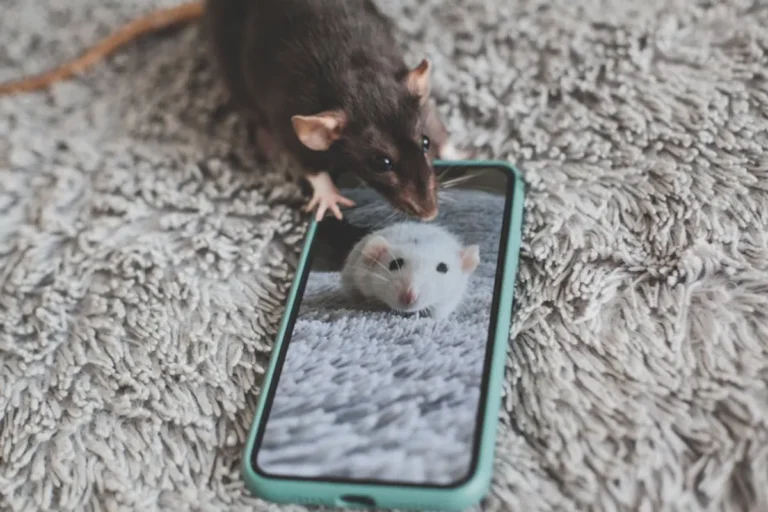

Caring for small animals requires a distinct understanding of their unique biological, environmental, and social needs. Unlike larger domestic pets, many small animals possess delicate physiologies and exhibit subtle signs of distress or illness, necessitating diligent observation and precise care protocols. This guide provides foundational information for establishing a safe, stimulating, and healthy environment for common small companion animals, focusing on practical considerations for their long-term well-being.
Understanding Specific Small Animal Needs
Small animals encompass a diverse group, including rodents, lagomorphs, and various exotic species, each with specific requirements that differ significantly from cats or dogs. Generic care advice often falls short, leading to inadequate housing, nutrition, or enrichment. Responsible ownership begins with recognizing these species-specific distinctions.
Species-Specific Requirements
Before acquiring any small animal, research its natural habitat, dietary preferences, social structures, and activity patterns. A hamster, for instance, is a solitary, nocturnal burrower requiring deep bedding and a solid exercise wheel, while guinea pigs are social, diurnal grazers needing constant access to hay and companionship. Rabbits, though often considered rodents, are lagomorphs with distinct digestive systems and social hierarchies.
- Hamsters: Solitary, nocturnal, require deep bedding for burrowing, solid exercise wheel (not wire).
- Guinea Pigs: Social, diurnal, need constant hay access, Vitamin C supplementation, companionship.
- Rabbits: Social, crepuscular, require unlimited hay, specific pellet formulations, secure enclosure for jumping/running.
- Rats: Highly social, intelligent, require large multi-level cages, daily interaction, varied diet.
- Gerbils: Social, diurnal/crepuscular, need deep bedding for tunneling, sand baths for coat health.
Longevity and Commitment
Small animals, despite their size, often have significant lifespans. Rabbits can live 8-12 years, guinea pigs 5-7 years, and rats 2-3 years. This longevity translates into a substantial commitment of time, resources, and emotional investment. Prospective owners must consider the long-term implications, including consistent veterinary care, daily interaction, and ongoing environmental maintenance.
Housing and Environment Essentials
A well-designed habitat is paramount for a small animal's physical and psychological health. Inadequate enclosures contribute to stress, behavioral issues, and various health problems.
Enclosure Size and Type
The enclosure must be large enough to allow the animal to exhibit natural behaviors: running, jumping, burrowing, and exploring. Minimum size recommendations are species-specific, but generally, larger is always better. Wire-bottom cages can cause foot injuries (pododermatitis) in many species, necessitating solid flooring or appropriate coverings. Materials should be non-toxic and easy to sanitize.
Pro Tip: Prioritize horizontal space over vertical space for ground-dwelling small animals like guinea pigs and rabbits. While multi-level cages can add enrichment for climbers like rats, ensure ramps are safe and inclines are not too steep.
Substrate and Bedding Choices
Substrate serves multiple purposes: absorption, insulation, and facilitating natural behaviors. Aspen shavings, paper-based bedding, or kiln-dried pine are generally safe options. Avoid cedar and untreated pine, as their aromatic oils can cause respiratory issues. Deep bedding is crucial for burrowing species like hamsters and gerbils, allowing them to create tunnels and nests.
Temperature and Humidity Control
Small animals are highly susceptible to temperature extremes. Most thrive in stable indoor temperatures between 65-75°F (18-24°C). Drafts, direct sunlight, and proximity to heating/cooling vents must be avoided. Some species, like chinchillas, are prone to heatstroke above 80°F (27°C). Maintain appropriate humidity levels to prevent respiratory or skin issues, typically between 30-70% depending on the species.
Nutritional Guidelines for Small Pets
Proper nutrition is a cornerstone of small animal health. Each species has specific dietary requirements, and imbalances can quickly lead to serious health complications.
Diet Composition by Species
For herbivores like rabbits and guinea pigs, unlimited high-quality hay (timothy, orchard grass) is essential for digestive health and dental wear. Pellets should be a high-fiber, low-sugar, species-specific formula, offered in limited quantities. Fresh, washed vegetables provide essential vitamins and moisture. Seed mixes are generally inappropriate for most small animals, often leading to selective eating and nutritional deficiencies.
Hydration and Water Access
Fresh, clean water must be available at all times. Water bottles with sipper tubes are common, but ensure they function properly and are cleaned daily to prevent bacterial buildup. Some animals may prefer a heavy ceramic bowl, which needs frequent changing to prevent contamination. Monitor water intake, as a sudden decrease can indicate illness.
Health Monitoring and Veterinary Care
Small animals often mask signs of illness until conditions are advanced. Regular health checks and access to a veterinarian experienced in exotic animal medicine are critical.
Recognizing Illness Signs
Watch for subtle changes in behavior, appetite, activity level, coat condition, and droppings. Signs such as lethargy, hunched posture, dull eyes, discharge from eyes/nose, labored breathing, diarrhea, or sudden weight loss warrant immediate veterinary attention. Regular weighing can help detect subtle weight fluctuations early.
Preventative Care Schedule
Annual wellness check-ups with an exotic vet are recommended, even if the animal appears healthy. This allows for early detection of dental issues, organ problems, and provides an opportunity for owner education. Parasite control, where applicable, should be discussed with the veterinarian.
Enrichment and Socialization
Mental and physical stimulation are vital for preventing boredom, stress, and behavioral problems in small animals.
Mental Stimulation
Provide a variety of safe toys, chews, and puzzle feeders. Rotate items regularly to maintain interest. For burrowing animals, offer opportunities for digging. For climbing species, provide structures that allow vertical exploration. Foraging opportunities, where food is scattered or hidden, encourage natural behaviors.
Handling and Interaction
Many small animals can be socialized through gentle, consistent handling from a young age. This builds trust and makes routine health checks easier. Some species, like rats and guinea pigs, thrive on daily interaction with their owners. Always research the social needs of your specific animal; some, like Syrian hamsters, prefer solitary living.
Establishing a Thriving Habitat
Successful small animal care is an ongoing process of observation, adaptation, and education. By focusing on species-specific needs, providing appropriate housing and nutrition, and ensuring access to specialized veterinary care, owners can foster a healthy and enriching life for their small companions. Continuous learning about your pet's species and individual personality will enhance the bond and ensure their long-term well-being.
Frequently Asked Questions
What are the most common small pets for beginners?
Guinea pigs and rats are often recommended for beginners due to their social nature and relatively robust health, provided their specific housing and dietary needs are met. Hamsters can also be suitable, but their nocturnal habits and solitary nature require different considerations.
How often should I clean my small pet's enclosure?
Daily spot cleaning for soiled bedding and uneaten fresh food is essential. Full cage cleaning frequency depends on the animal, cage size, and number of occupants, but typically ranges from once a week to every two weeks, involving thorough disinfection and bedding replacement.
What are red flags indicating a small pet needs vet attention?
Key indicators include refusal to eat or drink for more than 12-24 hours, significant changes in droppings (diarrhea, no droppings), labored breathing, discharge from eyes or nose, lethargy, limping, or any sudden unexplained lumps or bumps.
Can different small animal species live together?
Generally, no. Different small animal species have distinct communication methods, social structures, and potential for disease transmission or aggression. Housing different species together can cause significant stress and injury, even if they appear to tolerate each other.