
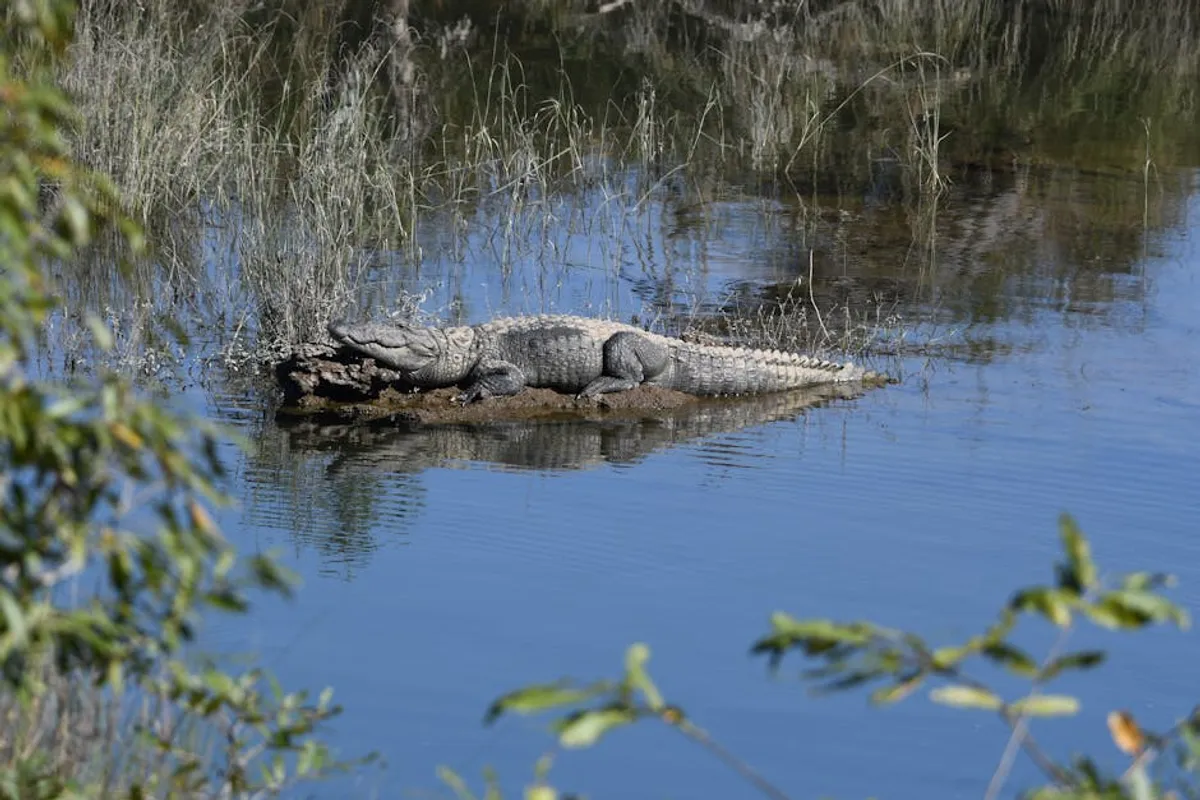
Developing a content strategy around specific ecological niches, such as swamp animals, offers distinct opportunities for audience engagement and monetization. This guide outlines how to approach "swamp animals" not merely as a biological topic, but as a robust content vertical for marketers, site owners, and publishers. Understanding the unique characteristics of these ecosystems and their inhabitants allows for the creation of targeted content that resonates with specific informational, commercial, and even navigational user intents, driving organic traffic and establishing authority within a specialized domain.
Understanding the Swamp Ecosystem as a Content Niche
Swamp environments are characterized by their saturated soils, unique hydrology, and distinct flora and fauna. These conditions create a specialized habitat that supports a diverse array of life, often with fascinating adaptations. For content creators, this translates into a rich source of detailed, often visually compelling, subject matter.
Defining Swamp Habitats and Their Biodiversity
Swamps are wetlands dominated by woody plants, distinguishing them from marshes (dominated by herbaceous plants) and bogs (acidic, peat-accumulating wetlands). They can be freshwater or saltwater (mangrove swamps). This foundational distinction is critical for content segmentation. Highlighting specific geographic regions—like the Florida Everglades, Louisiana bayous, or the Amazon basin's flooded forests—provides concrete examples and allows for geo-targeted content. The biodiversity within these areas is often high, featuring species not found in other ecosystems, which inherently generates search interest.
Key Characteristics of Swamp Animals for Content Focus
Swamp animals possess unique adaptations to their waterlogged environments, making them compelling subjects for detailed content. Focusing on these adaptations—such as specialized respiratory systems, unique diets, or camouflage techniques—provides specific angles for articles, videos, and infographics. Examples include the air-breathing capabilities of certain fish, the powerful jaws of alligators for hunting in murky water, or the migratory patterns of wading birds.
- Adaptations: How animals survive in low-oxygen water or fluctuating water levels.
- Behavior: Unique hunting strategies, mating rituals, or social structures.
- Diet: Specialized food sources and their role in the ecosystem.
- Conservation Status: Endangered or threatened species and the efforts to protect them.
Content Opportunities Around Swamp Wildlife
The "swamp animals" niche supports a wide spectrum of content types, from deeply scientific explanations to engaging visual narratives, each serving different audience needs.
Educational and Informational Content
This category forms the backbone of any wildlife guide. Detailed species profiles are a primary entry point. Each profile should cover scientific classification, physical description, habitat, diet, reproduction, and conservation status. Beyond individual species, content can explore ecosystem dynamics, the role of keystone species, or the impact of environmental changes. This type of content targets users with "what is," "how does," and "why do" queries.
Best for: Establishing topical authority, answering direct user questions, supporting long-tail keyword strategies.
Visual and Experiential Content
Swamps are inherently photogenic and visually rich. High-quality photography and videography of animals in their natural habitat can drive significant engagement. This extends to virtual tours of specific swamps, live cams, or documentaries. Content focusing on the sensory experience of a swamp—the sounds, the sights, the atmosphere—can also connect with audiences seeking immersive experiences. This content is highly shareable and effective for platforms like YouTube, Instagram, or Pinterest.
Best for: Social media engagement, driving traffic through visual search, enhancing user time on site.
Conservation and Advocacy Content
Many swamp ecosystems and their inhabitants face significant threats from habitat loss, pollution, and climate change. Content focusing on these issues—the threats, conservation efforts, and ways individuals can contribute—taps into an audience driven by environmental concerns. This can include interviews with conservationists, reports on specific projects, or guides on sustainable tourism practices in swamp regions.
Best for: Building community, attracting advocacy groups, generating backlinks from non-profits and educational institutions.
Niche Product Integration
While the core is wildlife, related products offer commercial avenues. This includes guides to identifying swamp animals, field equipment (binoculars, waterproof gear, cameras), educational books for children, or even travel guides for eco-tourism destinations. Content can review or recommend these products, naturally integrating affiliate links.
Best for: Direct monetization through affiliate sales, serving specific commercial user intent.
Pro Tip: When creating content about specific swamp animals, always verify scientific names and conservation statuses with reputable sources like IUCN Red List or national wildlife agencies. Accuracy builds trust and authority, which are crucial for long-term SEO performance and user retention in educational niches.
Audience Intent and Keyword Strategy for Swamp Animals
Understanding the different types of search intent is paramount for effective content planning within this niche.
Informational Queries
These are users seeking knowledge. Keywords include "what do alligators eat," "types of swamp snakes," "how do mangroves grow," or "swamp ecosystem facts." Content should be comprehensive, accurate, and easy to digest, often featuring definitions, lists, and explanatory diagrams.
Commercial Queries
Users here are looking to make a purchase or engage a service. Keywords might be "best waterproof boots for swamp hiking," "swamp tour Florida Everglades," "books about bayou wildlife," or "buy alligator art." Content should include product reviews, buying guides, service comparisons, or destination guides with booking information.
Navigational and Brand Queries
These users are looking for a specific website or entity. Examples include "Audubon Society swamp birds," "National Geographic swamp animals," or "local wildlife refuge swamp tours." While often brand-specific, understanding these queries helps identify influential organizations and potential partnership opportunities within the niche.
Developing a Comprehensive Swamp Wildlife Content Strategy
A successful content strategy for swamp animals integrates diverse content types with a clear understanding of audience intent and monetization goals. Begin by mapping out key species and ecosystems that align with your overall site objectives. Develop a content calendar that balances evergreen informational pieces with timely updates, such as seasonal animal behaviors or conservation news. Prioritize high-quality visuals and consider expert contributions to enhance credibility. Regularly analyze search performance to identify gaps and opportunities, refining your approach based on what resonates most with your audience. This iterative process ensures your content remains relevant, authoritative, and commercially viable.
Frequently Asked Questions
What are the most common types of swamp animals?
Common swamp animals vary by region but frequently include alligators, crocodiles, various snake species (e.g., water moccasins), wading birds (herons, egrets), turtles, frogs, and specialized fish like gar or catfish. Mammals such as otters, raccoons, and even deer can also be found.
How do swamp animals adapt to their environment?
Swamp animals exhibit numerous adaptations, including specialized breathing techniques (e.g., alligators surfacing for air, fish with labyrinth organs), webbed feet or long legs for navigating shallow water, camouflage for hunting or avoiding predators, and diets adapted to aquatic prey.
What are the biggest threats to swamp animal populations?
Major threats include habitat destruction from development and agriculture, pollution from industrial runoff and pesticides, climate change leading to altered water levels and temperatures, and invasive species that outcompete native wildlife.
Can I safely observe swamp animals in the wild?
Observing swamp animals can be done safely with proper precautions. Always maintain a respectful distance, especially from predators like alligators. Use designated trails, consider guided tours with experienced naturalists, and never feed wild animals. Waterproof gear and insect repellent are often essential.