
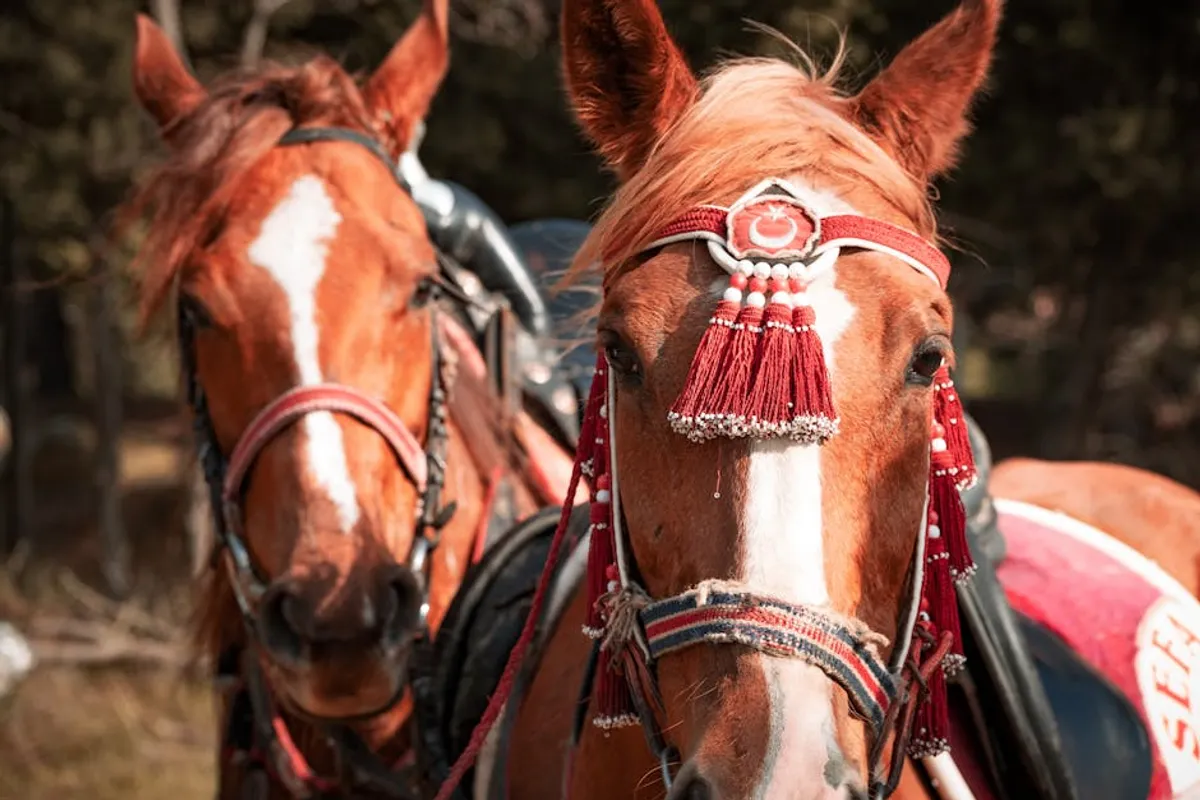
The decision to acquire a horse saddle marks a significant investment in both rider comfort and equine well-being. For new riders or those looking to expand their tack, navigating the array of saddle types, understanding their specific applications, and ensuring a precise fit can be complex. This guide details the fundamental distinctions in saddle design, explains critical sizing considerations for both horse and rider, and outlines essential care practices to maximize your saddle's lifespan and performance.
Fundamental Saddle Components and Materials
Every saddle, regardless of its discipline, shares core structural elements designed to distribute the rider's weight evenly across the horse's back and provide security. Understanding these components clarifies their function and impact on fit and durability.
- Tree: The foundational frame, typically made from wood, fiberglass, or synthetic materials, dictates the saddle's shape and weight distribution. Its width and angle are paramount for fitting the horse's back.
- Seat: The padded area where the rider sits, varying in depth and contour based on discipline.
- Skirts (Western) / Panels (English): The parts that lie directly on the horse's back, often padded to cushion and protect.
- Fenders (Western) / Flaps (English): Leather pieces extending down from the seat, providing support for the rider's legs and stirrups.
- Stirrups and Leathers: Footrests connected via adjustable leathers, allowing the rider to maintain balance and apply aids.
- Billets / Girth Straps: Strong leather or nylon straps beneath the flaps/skirts to attach the girth, securing the saddle to the horse.
- Gullet: The arch over the horse's wither, crucial for clearance and preventing pressure points. Its width and height must match the horse's conformation.
Saddle materials primarily consist of leather or synthetics. High-quality leather saddles offer durability, moldability, and traditional aesthetics, often commanding a higher initial cost but providing exceptional longevity with proper care. Synthetic saddles, made from materials like Cordura or synthetic leather, are typically lighter, require less maintenance, and are often more budget-friendly, making them a practical choice for beginners or those seeking ease of upkeep.
Primary Saddle Disciplines and Types
Saddles are purpose-built, with design variations directly addressing the demands of specific riding disciplines. Selecting the appropriate type is critical for rider effectiveness and horse comfort.
English Saddles
Characterized by their lighter weight and flatter appearance, English saddles allow for closer contact with the horse.
- All-Purpose (General Purpose): Designed for versatility, these saddles feature a moderately deep seat and forward-cut flaps, accommodating flatwork, small jumps, and light trail riding.
Best for: Beginners, riders exploring multiple disciplines, riding schools.
- Dressage Saddle: Identified by a deep seat, long, straight flaps, and prominent knee rolls, these saddles encourage a long, vertical rider position to facilitate precise communication.
Best for: Dressage training and competition, riders focused on flatwork and classical riding.
- Jumping Saddle (Close Contact): Features a shallower seat and significantly forward-cut flaps with knee and thigh blocks to support the rider's leg over fences.
Best for: Show jumping, hunter/jumper disciplines.
- Eventing Saddle: A hybrid design, offering a balance between the forward flap of a jumping saddle and the deeper seat of a dressage saddle, suitable for cross-country and stadium jumping.
Best for: Eventing competitors, riders requiring versatility across jumping and flatwork.
- Endurance Saddle: Lightweight and designed for long-distance comfort for both horse and rider, often featuring numerous D-rings for attaching gear.
Best for: Endurance riding, long trail rides.
Western Saddles
Known for their distinctive horn, heavier build, and larger surface area, Western saddles are designed for ranch work, rodeo, and trail riding, offering greater security and weight distribution.
- Roping Saddle: Built robustly to withstand the impact of roping cattle, featuring a strong horn, deep seat, and reinforced tree.
Best for: Ranch work, roping events.
- Barrel Racing Saddle: Lightweight with a high cantle and often a shorter skirt, designed to provide security and allow the rider to move with the horse during fast turns.
Best for: Barrel racing, speed events.
- Trail Saddle: Prioritizes rider and horse comfort for extended periods, often featuring extra padding, numerous attachment points for gear, and a comfortable, deeper seat.
Best for: Long-distance trail riding, pleasure riding.
- Reining Saddle: Characterized by a close-contact design, allowing the rider to feel the horse's movements for precise maneuvers, often with a flatter seat.
Best for: Reining competition, advanced Western horsemanship.
- Cutting Saddle: Features a flat seat, high pommel, and low cantle, providing stability for the rider during quick stops and turns required in cutting cattle.
Best for: Cutting competition.
Saddle Sizing: Ensuring Proper Fit for Horse and Rider
A correctly fitting saddle is non-negotiable for the comfort, performance, and long-term health of both horse and rider. An ill-fitting saddle can cause pain, behavioral issues, and even permanent damage.
Rider Seat Size
Rider seat size is measured from the saddle's stirrup bar to the cantle. Common English saddle sizes range from 16 to 18 inches, while Western saddles typically range from 13 to 17 inches. The correct size allows the rider to sit comfortably and balanced, with about four inches of space behind their seat to the cantle, preventing restriction of movement or excessive pressure.
Horse Gullet and Bar Angle
Fitting the horse is more complex and critical. The gullet must provide adequate clearance over the horse's wither and spine, preventing pinching or rubbing. The saddle bars (the parts of the tree that rest on the horse's back) must match the horse's back angle and shoulder conformation. Common Western tree widths include Full Quarter Horse, Semi-Quarter Horse, and Arabian, each designed for specific back shapes. English saddles use gullet plates or adjustable trees to accommodate varying widths. Signs of poor fit include dry spots under the saddle after a ride, white hairs, muscle atrophy, or behavioral resistance.
Pro Tip: Always engage a certified saddle fitter, especially when purchasing your first saddle or if your horse's shape changes. A professional fitting ensures optimal comfort and prevents long-term veterinary issues, ultimately saving costs and enhancing the riding experience.
Essential Saddle Care and Maintenance
Consistent care extends a saddle's life, maintains its aesthetic appeal, and ensures its structural integrity, protecting your investment.
Routine Cleaning
After every ride, wipe down your saddle with a damp cloth to remove dirt, sweat, and grime. Pay particular attention to areas that contact the horse and rider. For leather, a mild leather cleaner can be used sparingly to prevent build-up.
Deep Conditioning
Periodically, depending on use and climate (typically monthly or bi-monthly), perform a deep clean and condition. Use a specialized leather cleaner to remove ingrained dirt, followed by a high-quality leather conditioner or oil. This replenishes natural oils, preventing the leather from drying out, cracking, and becoming brittle. For synthetic saddles, follow manufacturer guidelines, often involving simple soap and water.
Proper Storage
Store your saddle on a purpose-built saddle rack that supports its tree shape, preventing distortion. Keep it in a climate-controlled environment, away from direct sunlight, extreme heat, or excessive humidity, which can degrade materials. A saddle cover protects it from dust and scratches.
Regular Inspection
Routinely inspect all parts of your saddle for wear and tear. Check stitching for fraying, billets and stirrup leathers for cracks or stretching, and the tree for any signs of damage. Early detection of issues can prevent more significant, costly repairs or safety hazards.
Maximizing Saddle Lifespan and Rider Comfort
Choosing the correct saddle type based on your riding discipline and ensuring a precise fit for both you and your horse are foundational steps. Beyond the initial selection, diligent maintenance and regular professional checks are crucial for sustained performance and safety. A well-maintained, properly fitted saddle is not just a piece of equipment; it is an essential tool that facilitates effective communication, enhances comfort, and safeguards the health of your equine partner, directly contributing to a more rewarding riding experience and preserving the value of your investment.
Frequently Asked Questions About Horse Saddles
How often should I clean my leather saddle?
A light wipe-down to remove sweat and dirt should happen after every ride. A deeper clean and conditioning, using specialized leather products, is recommended monthly or bi-monthly, depending on use frequency and environmental conditions.
Can one saddle fit multiple horses?
While some adjustable tree saddles offer flexibility, a single saddle rarely provides an optimal fit for multiple horses with significantly different conformations. An ill-fitting saddle can cause discomfort and injury, making a dedicated or professionally adjusted saddle for each horse the preferred approach.
What is the primary difference between a synthetic and a leather saddle?
Leather saddles are durable, mold to the horse's back over time, and offer a traditional feel, but require more intensive care. Synthetic saddles are lighter, typically more affordable, and easier to maintain, making them practical for specific uses or riders seeking lower upkeep.
How do I know if my saddle fits my horse correctly?
Key indicators of a good fit include even sweat patterns under the saddle after a ride, no dry spots, adequate gullet clearance over the wither, and the saddle sitting level on the horse's back without rocking or bridging. Consulting a certified saddle fitter provides the most accurate assessment.