Understanding why cats engage in specific behaviors, from the rhythmic push-and-pull of kneading to the subtle language of a slow blink, offers valuable insight into their well-being and communication. These actions are not random; they are deeply rooted in instinct, comfort, and social interaction. For pet owners and those in the pet care industry, interpreting these signals provides a clearer picture of a cat's physical and emotional state, enabling more responsive care and a stronger human-animal bond.
The Core Behavior: Why Cats Knead
Kneading, often referred to as "making biscuits," is one of the most distinctive and widely observed feline behaviors. It involves a cat rhythmically pushing its front paws, claws extended and retracted, into a soft surface, often a blanket, cushion, or even a human lap. This action carries several layers of meaning, stemming from both instinct and learned association.
Instinctual Comfort and Bonding
The primary origin of kneading traces back to kittenhood. Newborn kittens knead their mother's mammary glands to stimulate milk flow during nursing. This early association links kneading with comfort, nourishment, and the security of their mother's presence. As adult cats, they retain this behavior, often performing it when feeling safe, content, and deeply relaxed. It's a self-soothing mechanism, a throwback to a time of ultimate comfort and care.
Territorial Marking
Cats possess scent glands in their paw pads. When a cat kneads, these glands release pheromones onto the surface they are manipulating. These pheromones serve as a form of territorial marking, signaling to other cats (and to themselves) that this area or item is "theirs." When a cat kneads on a human, it's not only a sign of affection but also an act of claiming, essentially marking their human as part of their accepted territory or social group.
Preparing a Resting Spot
Before domestication, wild felines would knead tall grasses or foliage to create a soft, comfortable, and safe resting spot. This action would flatten down potential hiding places for predators or prey, and also check the area for any unwelcome inhabitants. While domestic cats no longer need to prepare a bed in the wild, the instinct persists, contributing to their comfort before settling down for a nap.
Signaling Contentment and Affection
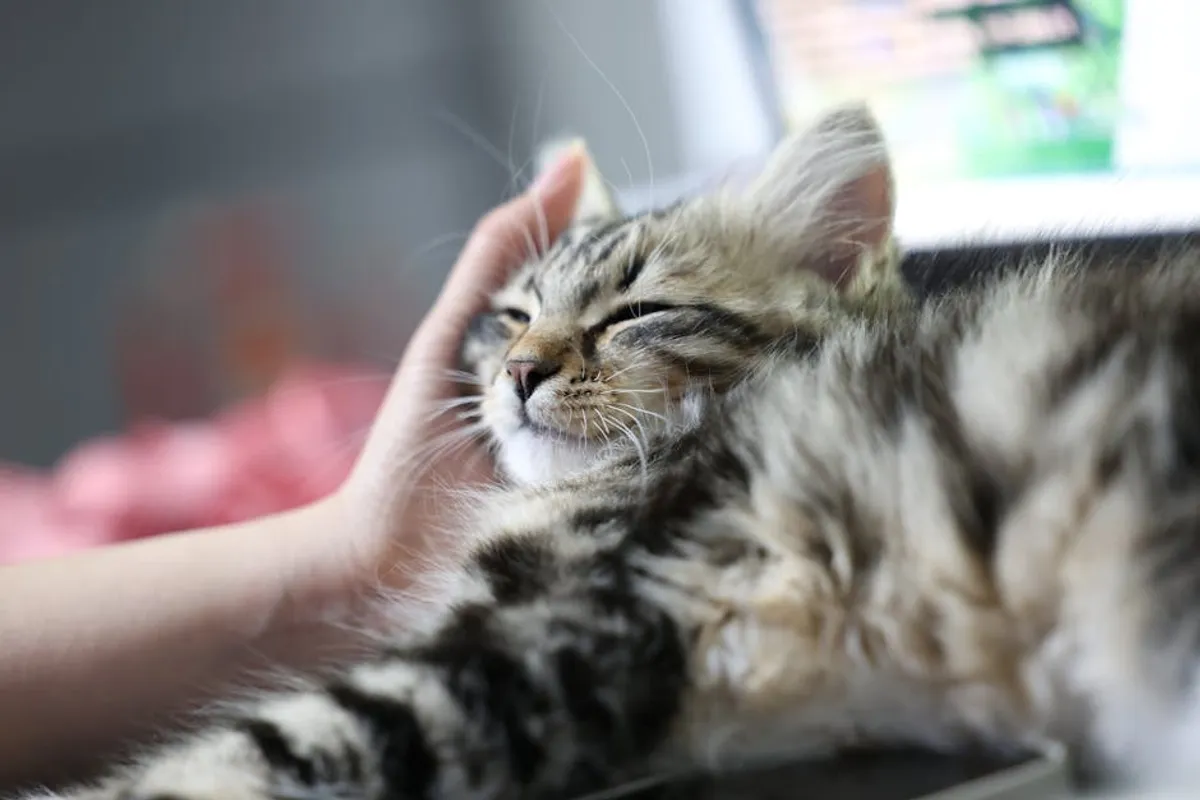
When a cat kneads, especially on a human, it is often accompanied by purring, slow blinking, and a generally relaxed posture. These combined signals unequivocally indicate a state of profound contentment and affection. It's a high compliment from a cat, signifying trust and a deep bond. The stronger the bond, the more likely a cat is to knead on its chosen human.
Pro Tip: While kneading is a natural and often endearing behavior, some cats extend their claws more vigorously than others. To protect your clothing or skin, gently place a thick blanket or cushion between your cat's paws and your lap. Avoid punishing the behavior, as it's a sign of affection, but redirect their focus to a more appropriate surface if necessary.
Beyond Kneading: Other Common Cat Behaviors Explained
Kneading is just one piece of the complex puzzle of feline communication. Several other common behaviors offer equally important insights into a cat's inner world.
Purring: More Than Just Happiness
While often associated with contentment, purring serves multiple functions. Cats purr when they are happy, but also when they are anxious, injured, or giving birth. The low-frequency vibrations of a purr (typically between 25 and 150 Hertz) are believed to have self-healing properties, promoting bone density, pain relief, and tissue repair. It's a versatile vocalization for self-soothing and communication.
Chirping and Trilling: Communication Cues
Chirping is a short, bird-like sound often used by mothers to call their kittens. In adult cats, it can be a means of getting a human's attention, or an excited vocalization when observing prey. Trilling is a softer, rolled "r" sound, usually a friendly greeting or an invitation to interact. Both are positive, attention-seeking, or communicative sounds.
Head Bunting: A Social Gesture
Head bunting, or head rubbing, involves a cat pressing its forehead or cheek against a person, another animal, or an object. Similar to paw kneading, this behavior transfers scent from glands located on the cat's face. It's a powerful social gesture, marking the recipient as part of the cat's social group and reinforcing bonds. It signifies trust and affection.
Slow Blinking: Feline Affection
Often referred to as a "cat kiss," a slow blink is a clear sign of trust and affection. When a cat looks at you and slowly closes and then opens its eyes, it's conveying that it feels safe and comfortable in your presence. Responding with a slow blink of your own can reciprocate this feeling and strengthen your bond.
Scratching: Essential for Health and Territory
Cats scratch for several crucial reasons:
- Claw Maintenance: Scratching removes the dead outer layers of their claws, keeping them sharp and healthy.
- Stretching: It allows them to stretch their muscles and tendons, particularly in their shoulders and back.
- Territorial Marking: Like kneading, scratching deposits scent from glands in their paws. Visual marks also serve as a clear territorial boundary for other felines.
- Stress Relief: It can be a way for cats to release pent-up energy or stress.
Interpreting Feline Communication Patterns
Understanding these common cat behaviors moves beyond simple observation to genuine interpretation. Recognizing why a cat kneads, purrs, or slow blinks allows owners to respond appropriately, whether by providing comfort, engaging in play, or simply acknowledging their affection. This deeper comprehension fosters a more harmonious living environment and can even inform decisions about pet product selection, such as choosing appropriate scratching posts or calming diffusers when behavioral cues suggest stress. Paying attention to the context and frequency of these behaviors is key to deciphering your cat's unique communication style.
Frequently Asked Questions About Cat Behaviors
Q: Is it bad if my cat doesn't knead?
A: No, not all cats knead. While common, it's not a universal behavior. A cat that doesn't knead can still be perfectly content and affectionate, expressing itself in other ways like purring, head bunting, or slow blinking.
Q: Why does my cat sometimes bite or scratch me while kneading?
A: This can happen if the cat gets overstimulated, perhaps recalling the intensity of nursing. It's rarely aggressive. If it's painful, gently redirect their attention or place a barrier between you. Avoid sudden movements that might startle them.
Q: Can excessive purring indicate a problem?
A: While purring often signals contentment, cats also purr when they are stressed, in pain, or trying to self-soothe. If your cat is purring excessively in conjunction with other signs of discomfort (e.g., hiding, changes in appetite, lethargy), it's advisable to consult a veterinarian.
Q: How can I encourage my cat to use a scratching post instead of furniture?
A: Provide multiple scratching options with different textures (sisal, cardboard, carpet) and orientations (vertical, horizontal). Place them in prominent areas where your cat already spends time or attempts to scratch. Reward them with praise or treats when they use the post.