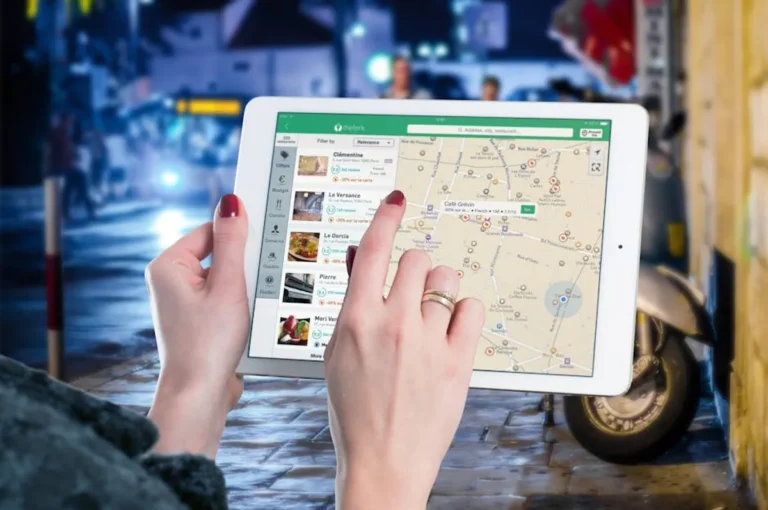

Navigating the world of travel while adhering to a strict budget requires a strategic approach, not just a series of random decisions. The goal isn't merely to spend less, but to maximize value, extend experiences, and avoid financial strain without compromising the core objective of exploration. This guide outlines practical, actionable methods to significantly reduce travel expenditures across all phases of a trip, from initial planning to on-the-ground execution. Understanding where costs accumulate and how to systematically mitigate them is fundamental to successful budget travel. This involves a clear-eyed assessment of priorities, a willingness to adapt, and a proactive stance toward financial management.
Establishing Your Budget Travel Framework
Before any booking or itinerary planning commences, a robust framework for budget travel must be established. This involves more than just setting a total spending limit; it requires understanding the levers that influence cost and how they interrelate. Consider the following foundational elements:
- Define Your Non-Negotiables: Identify aspects of travel you absolutely will not compromise on (e.g., private room, specific destination, certain activities). These will dictate where flexibility must be found elsewhere.
- Research Cost Baselines: Before committing, research average costs for flights, accommodation, food, and transport in potential destinations. This provides a realistic benchmark against which to measure deals.
- Understand Opportunity Costs: Recognize that choosing a cheaper option often involves trade-offs, such as longer travel times, less comfort, or fewer amenities. Evaluate if these trade-offs align with your overall travel objectives.
- Build in a Contingency Fund: Even the most meticulously planned budget can encounter unexpected expenses. Allocate 10-15% of your total budget for emergencies, mitigating potential financial derailment.
- Leverage Digital Tools: Utilize price comparison websites, budget tracking apps, and alerts for flights and accommodation. These tools automate much of the cost-monitoring process.
- Assess Your Travel Style: A solo traveler's budget strategy differs from a family's or a group's. Tailor advice to your specific composition and preferences for maximum impact.
1. Book Flights and Accommodation Early
Securing airfare and lodging well in advance often yields the most significant cost savings. Airlines and hotels typically employ dynamic pricing models, where prices tend to increase as demand rises and availability diminishes, particularly for popular routes and peak travel dates. Booking several months out, generally 3-6 months for international flights and 1-3 months for domestic, allows travelers to lock in lower base rates before seasonal surcharges or last-minute scarcity drive prices upward. This strategy also provides a wider selection of options, enabling more precise alignment with budget constraints and preferred amenities.
Best for: Travelers with fixed dates and destinations, or those planning trips during peak seasons and holidays. It's particularly effective for long-haul international travel where price fluctuations are more pronounced.
Pros:
- Access to the lowest available fares and room rates.
- Wider selection of flight times, routes, and accommodation types.
- Reduces stress and last-minute scrambling.
- Allows for more time to research and refine other aspects of the trip.
Cons:
- Requires commitment to specific dates, limiting spontaneity.
- Potential for cancellation fees if plans change (mitigated by flexible booking options, often at a higher initial cost).
- May miss out on occasional last-minute deals, which are rare but can occur.
Verdict: A foundational budget strategy, providing predictable savings and peace of mind. The trade-off in flexibility is often justified by the substantial cost reduction, especially for high-cost components like flights.
2. Travel During Off-Peak Seasons
Shifting travel dates to the shoulder or low seasons of a destination can dramatically reduce expenses across the board. Airlines, hotels, and tour operators adjust their pricing based on demand, which plummets outside of major holidays, school breaks, and ideal weather periods. This translates to lower airfares, significantly cheaper accommodation rates, and often reduced prices for local activities and attractions. Beyond financial benefits, off-peak travel typically means fewer crowds, shorter lines, and a more authentic local experience, as destinations are less saturated with tourists.
Best for: Individuals or groups with flexible schedules, those seeking a more relaxed travel experience, and travelers prioritizing cultural immersion over specific weather conditions.
Pros:
- Substantially lower costs for flights, accommodation, and often ground transportation.
- Fewer crowds at popular attractions, leading to better experiences and shorter wait times.
- More authentic interactions with locals and a less commercialized atmosphere.
- Potentially better service due to lower staff workload.
Cons:
- Weather may be less ideal (e.g., rainy season, colder temperatures).
- Some attractions or services might have reduced hours or be closed entirely.
- Limited availability of certain events or festivals specific to peak season.
Verdict: A highly effective method for significant savings, provided travelers are willing to adapt to potentially less-than-perfect weather or a quieter atmosphere. The overall value proposition is often superior to peak-season travel.
3. Explore Alternative Accommodation Options
Moving beyond traditional hotels opens up a spectrum of budget-friendly lodging. Hostels, once solely for backpackers, now offer private rooms and boutique options, providing community and amenities at a fraction of hotel costs. Short-term rentals through platforms like Airbnb or VRBO can be economical, especially for groups or longer stays, offering kitchen facilities that further reduce food expenses. House-sitting, home exchanges, or even camping provide near-zero cost accommodation for those willing to embrace a different style of travel. Each option presents a unique balance of cost, privacy, and local immersion.
Best for: Travelers seeking to maximize savings on lodging, those desiring a more local experience, and groups who can split the cost of a rental property.
Pros:
- Significantly lower nightly rates compared to hotels.
- Access to kitchen facilities, enabling self-catering and food cost reduction.
- Opportunities for cultural exchange and meeting other travelers (hostels).
- More space and privacy than standard hotel rooms (rentals).
Cons:
- Varying levels of service and amenities compared to hotels.
- Less privacy in shared hostel dorms.
- Potential for less consistent quality or reliability (rentals, house-sitting).
- Check-in processes can be less standardized than hotels.
Verdict: A critical area for budget optimization, offering diverse options that cater to different comfort levels and travel styles. The savings on accommodation often free up funds for experiences or extend trip duration.
4. Self-Cater and Eat Like a Local
Food expenses can quickly accumulate, often rivaling or exceeding accommodation costs. Preparing some of your own meals, especially breakfast and occasional dinners, leveraging kitchen facilities in hostels or rentals, can drastically cut down on dining out. When eating out, prioritize local markets, street food vendors, and small, non-touristy restaurants. These options not only offer more authentic culinary experiences but also come at a fraction of the cost of tourist-centric establishments. Buying groceries and cooking allows for greater control over diet and portion sizes, further enhancing value.
Best for: Travelers staying in accommodation with kitchen access, those interested in culinary exploration beyond fine dining, and individuals with dietary restrictions.
Pros:
- Substantial reduction in daily food costs.
- Opportunity to experience local cuisine more authentically (markets, street food).
- Greater control over meal content and dietary needs.
- Can be a cultural experience in itself (shopping at local markets).
Cons:
- Requires time and effort for grocery shopping and cooking.
- May limit the experience of trying diverse local restaurants.
- Can be challenging in destinations where kitchen facilities are scarce or expensive.
Verdict: One of the most effective daily cost-cutting measures. It shifts spending from prepared meals to raw ingredients, providing both savings and a deeper engagement with local culture.
5. Utilize Public Transportation and Walk
Transportation within a destination can become a major expense if taxis, ride-shares, or private transfers are used exclusively. Embracing public transportation—buses, trains, subways, trams—is almost universally more economical. Many cities offer multi-day passes that provide unlimited travel at a discounted rate. Beyond public transit, walking or cycling (often available via rental services) is not only free or low-cost but also offers a more intimate way to experience a city, allowing for discovery of hidden gems. This approach minimizes per-trip costs and integrates travelers more deeply into the local rhythm.
Best for: Urban explorers, those comfortable navigating new transit systems, and travelers who enjoy active sightseeing.
Pros:
- Significantly lower daily transportation costs.
- Offers a more authentic local experience and reduces environmental impact.
- Walking and cycling provide exercise and opportunities for spontaneous discovery.
- Multi-day passes can offer excellent value.
Cons:
- Can be slower and less convenient than private transport.
- Requires understanding local transit maps and schedules.
- Less suitable for travelers with mobility issues or large amounts of luggage.
- Safety concerns in some areas, particularly at night.
Verdict: Essential for reducing day-to-day spending. It requires a degree of navigation skill but rewards with considerable savings and a richer understanding of the destination.
6. Pack Light to Avoid Baggage Fees
Airline baggage fees, particularly for checked luggage or overweight bags, can add significant, often unexpected, costs to a trip. Adopting a minimalist packing strategy, focusing on carry-on only, or ensuring bags meet weight limits, directly translates to savings. This involves selecting versatile clothing items that can be mixed and matched, utilizing travel-sized toiletries, and prioritizing essentials. While challenging for longer trips or specific climates, the discipline of packing light not only saves money but also simplifies transit, making movement through airports and cities more efficient and less cumbersome.
Best for: Short-to-medium duration trips, travelers using budget airlines, and those who prefer agility and ease of movement.
Pros:
- Eliminates checked baggage fees, saving a substantial amount per flight.
- Speeds up airport processes (no waiting for luggage).
- Reduces the risk of lost luggage.
- Enhances mobility and ease of navigating public transport or walking.
Cons:
- Limits clothing options and personal items, requiring careful planning.
- Can be difficult for longer trips, colder climates, or specific activity gear.
- Requires reliance on laundry services or hand-washing.
Verdict: A direct and tangible cost-saving measure that also improves the travel experience by reducing logistical friction. It encourages thoughtful packing and prioritizes efficiency.
7. Seek Out Free Activities and Attractions
Many destinations offer a wealth of free or low-cost activities that provide cultural enrichment and entertainment without impacting the budget. This includes exploring public parks, gardens, and beaches, visiting free museums or galleries (some have free entry days), attending free walking tours (tip-based), and simply wandering through vibrant neighborhoods or local markets. Researching these options in advance allows for the creation of an itinerary rich in experiences that do not require an entry fee. These activities often provide a deeper insight into local life than ticketed attractions.
Best for: Culturally curious travelers, those on extended trips, and anyone looking to experience a destination beyond its main tourist draws.
Pros:
- Eliminates or significantly reduces entertainment and attraction costs.
- Often provides a more authentic and immersive local experience.
- Offers flexibility in itinerary planning, as many don't require advance booking.
- Encourages exploration and discovery beyond guidebooks.
Cons:
- May require more research to uncover quality free options.
- Some "free" activities (e.g., walking tours) operate on a tip basis, which should be factored in.
- May not include all "must-see" iconic attractions, which often have entry fees.
Verdict: A highly effective strategy for enriching the travel experience while keeping entertainment costs minimal. It fosters a more engaged and exploratory approach to sightseeing.
8. Leverage Loyalty Programs and Travel Rewards
Strategic use of loyalty programs, frequent flyer miles, hotel points, and travel-focused credit card rewards can significantly offset major travel expenses. By accumulating points through everyday spending or specific travel purchases, travelers can redeem them for free flights, complimentary hotel nights, or upgrades. This requires a long-term approach and careful management of points, understanding their value and redemption options. While not an immediate cash saving, it represents a deferred saving that can fund entire trips or significantly reduce the cost of high-value components.
Best for: Frequent travelers, those with good credit who can manage credit card rewards, and individuals willing to invest time in understanding loyalty program mechanics.
Pros:
- Potential for free flights, hotel stays, or significant discounts.
- Access to perks like lounge access, upgrades, or priority boarding.
- Can be accumulated through regular spending, reducing out-of-pocket costs.
Cons:
- Requires consistent effort to track and redeem points effectively.
- Points can devalue over time or have blackout dates/limited availability.
- Credit card annual fees may offset some savings if not utilized fully.
- Risk of overspending to meet minimum spend requirements for bonuses.
Verdict: A powerful long-term strategy for experienced travelers to achieve substantial savings, effectively turning everyday expenses into travel opportunities. It demands discipline and an understanding of the reward ecosystem.
9. Choose Cheaper Destinations
The fundamental cost of travel varies dramatically by destination. Opting for countries or regions with a lower cost of living and less established tourism infrastructure inherently reduces expenses across all categories: flights, accommodation, food, and activities. Southeast Asia, Eastern Europe, and parts of Central and South America often offer significantly more value for money than Western Europe, North America, or Australia. This choice alone can stretch a budget much further, allowing for longer trips or more luxurious experiences within the same financial envelope.
Best for: Travelers with an open mind about destinations, those seeking maximum duration for their budget, and individuals interested in diverse cultural experiences.
Pros:
- Lower costs for virtually every aspect of travel, from flights to daily expenses.
- Ability to travel for longer periods or enjoy higher-end experiences within budget.
- Often leads to discovery of less-traveled, more authentic locations.
- More favorable exchange rates for many currencies.
Cons:
- May involve longer or more complex travel routes to reach.
- Infrastructure (transport, healthcare, internet) might be less developed.
- Potential language barriers can be more pronounced.
- Safety concerns may be higher in some regions, requiring additional research.
Verdict: The most impactful decision for overall budget control. Selecting an intrinsically cheaper destination sets a lower baseline for all subsequent expenses, offering unparalleled financial leverage.
10. Set a Daily Budget and Track Expenses
Effective budget travel relies on ongoing financial discipline. Establishing a realistic daily spending limit for categories like food, transport, and activities, and then rigorously tracking every expense, provides real-time visibility into financial performance. This prevents overspending, allows for immediate adjustments if costs run high, and ensures the budget remains on track throughout the trip. Utilizing budgeting apps or a simple spreadsheet makes this process manageable. The act of tracking itself often fosters greater awareness and more mindful spending habits.
Best for: All budget travelers, particularly those prone to impulse spending, and individuals who want precise control over their finances.
Pros:
- Provides clear financial boundaries and prevents overspending.
- Allows for immediate course correction if expenses exceed projections.
- Increases awareness of spending patterns and value for money.
- Reduces financial stress by maintaining control over the budget.
Cons:
- Requires consistent effort and discipline to record every expense.
- Can feel restrictive or tedious for some travelers.
- May not account for unexpected, unavoidable costs.
Verdict: A non-negotiable practice for serious budget travelers. It transforms abstract financial goals into concrete, actionable steps, ensuring the trip remains within planned limits.
11. Consider Travel Insurance for Unexpected Costs
While seemingly an upfront expense, comprehensive travel insurance is a critical budget protection measure. Unexpected events—medical emergencies, trip cancellations, lost luggage, or travel delays—can incur costs far exceeding the initial premium, potentially derailing an entire budget or creating significant debt. A robust policy mitigates these financial risks, providing coverage for unforeseen circumstances. It's an investment in financial security, preventing minor setbacks from becoming major budget crises. Policies vary widely, so careful review of coverage limits and exclusions is essential.
Best for: All travelers, especially those undertaking international trips, engaging in adventure activities, or with pre-existing medical conditions.
Pros:
- Protects against significant financial losses due to unforeseen events.
- Covers medical emergencies, trip cancellations/interruptions, and lost belongings.
- Provides peace of mind, allowing for more relaxed travel.
- Can be relatively inexpensive compared to potential costs of an incident.
Cons:
- An additional upfront cost that doesn't offer direct travel benefits.
- Policies can be complex, requiring careful reading of terms and conditions.
- Exclusions (e.g., pre-existing conditions, high-risk activities) can limit coverage.
- Claim processes can sometimes be lengthy.
Verdict: An essential, non-negotiable component of a responsible budget travel strategy. It safeguards against catastrophic financial impacts, ensuring that an unexpected event doesn't negate all other cost-saving efforts.
12. Travel with a Group to Split Costs
For certain types of expenses, traveling with one or more companions can lead to significant per-person savings. This is particularly true for accommodation, where the cost of a private room, apartment rental, or even a vehicle can be divided among multiple individuals, reducing individual outlay. Shared transport like taxis or private transfers also becomes more economical. Group travel can also unlock discounts on tours or activities that offer group rates. While it requires coordination and compromise, the financial benefits can be substantial, especially for longer trips or destinations where individual costs are high.
Best for: Social travelers, those planning trips with friends or family, and individuals looking to reduce fixed costs like lodging and transport.
Pros:
- Reduces per-person costs for accommodation, car rentals, and some activities.
- Opportunity to share meals, further cutting food expenses.
- Enhanced safety and companionship.
- Can access group discounts on tours or attractions.
Cons:
- Requires compromise and coordination on itinerary, budget, and preferences.
- Potential for interpersonal conflicts if travel styles clash.
- Less flexibility and spontaneity compared to solo travel.
- Can sometimes lead to higher overall spending if group preferences lean towards luxury.
Verdict: A highly effective strategy for reducing fixed costs, particularly for accommodation and transport. It requires careful planning and compatible travel partners to maximize financial and experiential benefits.
Implementing and Optimizing Your Budget Travel Strategy
Adopting budget travel tips is only the first step; successful execution requires continuous evaluation and adaptation. Start by creating a detailed pre-trip budget that allocates funds to each category based on your chosen strategies. During the trip, consistently track expenses against this budget, using a simple app or spreadsheet. This real-time monitoring allows for immediate adjustments—perhaps opting for street food over a restaurant meal if transport costs ran high, or choosing a free activity if an attraction was unexpectedly expensive. Post-trip, review your actual spending against your initial budget. Identify which strategies yielded the most savings and which areas still present opportunities for reduction. This iterative process refines your approach for future trips, building a more efficient and effective budget travel methodology over time. The goal is not just to spend less, but to spend smarter, ensuring every dollar contributes to a richer travel experience.
Frequently Asked Questions About Budget Travel
Is it possible to travel internationally on a very tight budget?
Yes, absolutely. Traveling internationally on a tight budget is achievable by prioritizing cheaper destinations (e.g., Southeast Asia, parts of Eastern Europe), opting for hostels or alternative accommodation, self-catering, utilizing public transport, and seeking out free activities. Strategic flight booking and off-peak travel are also crucial.
What's the single most effective way to save money on a trip?
While many factors contribute, choosing a fundamentally cheaper destination often has the most pervasive impact on overall trip costs. This decision sets a lower baseline for flights, accommodation, food, and activities, allowing your budget to stretch significantly further.
How far in advance should I book flights for the best prices?
For international flights, booking 3-6 months in advance is generally recommended. For domestic flights, 1-3 months out often yields optimal prices. However, prices are dynamic, so using flight price tracking tools can help identify specific dips.
Are budget airlines always cheaper?
Budget airlines often have lower base fares, but they typically charge extra for everything from checked bags and seat selection to in-flight meals. Always calculate the total cost, including all potential fees, before assuming a budget airline is the cheapest option.
How can I eat cheaply without sacrificing local experience?
Focus on local markets, street food vendors, and small, non-touristy restaurants (often found a few blocks away from major attractions). These options provide authentic flavors at a fraction of the cost of tourist-oriented establishments. Self-catering for some meals also helps.
Is travel insurance worth the cost for budget travel?
Yes, travel insurance is highly recommended for budget travelers. While an upfront expense, it protects against potentially catastrophic financial losses from medical emergencies, trip cancellations, or lost luggage, which could far exceed initial savings and derail your entire budget.
How do I manage money safely while traveling on a budget?
Use a combination of payment methods: a credit card for major expenses (with no foreign transaction fees), a debit card for ATM withdrawals, and a small amount of local cash. Avoid carrying large sums of cash. Inform your bank of your travel plans, and consider using a secure money belt for important documents and some cash.