
The digital travel content landscape is intensely competitive, demanding strategic precision to capture audience attention and commercial value. For publishers, marketers, and site owners, "travel destinations" represents a high-volume, high-value keyword cluster. However, merely listing places or providing surface-level information is insufficient to stand out. Success in this niche hinges on delivering comprehensive, authoritative, and user-centric guides that anticipate and fulfill diverse traveler needs, from initial inspiration to booking decisions. Crafting such content requires a deep understanding of search intent, content architecture, and optimization best practices.
Deconstructing the Destination Niche
Effective content strategy for travel destinations begins with a granular understanding of the niche itself. This involves more than just identifying popular locations; it requires segmenting the audience, recognizing their motivations, and mapping their journey through the decision-making process. Each destination, whether a bustling metropolis or a secluded natural park, carries unique attributes and attracts distinct traveler profiles, influencing the type and depth of content required.
Identifying Audience Intent Signals
Travelers exhibit varied search intents, which evolve throughout their planning cycle. Early-stage searches often involve broad, inspirational queries like "best summer destinations" or "unique places to visit in Europe." Mid-stage intent shifts to specific research, such as "things to do in Paris with kids" or "budget hotels near Grand Canyon." Late-stage intent is highly transactional, focusing on "flights to Rome" or "booking a tour of the Louvre." Content must align precisely with these signals:
- Informational: Guides on history, culture, local customs, best times to visit, safety.
- Navigational: Content helping users find specific locations, attractions, or services within a destination.
- Commercial Investigation: Reviews, comparisons of accommodations, tour operators, restaurants, or transportation options.
- Transactional: Direct booking links, pricing comparisons, or purchase-oriented calls to action.
Understanding these intent types allows for the creation of a content ecosystem that addresses a user at every point, rather than just one.
Mapping the Traveler's Journey
The journey from dreaming about a trip to actually booking and experiencing it is rarely linear. A robust content strategy accounts for this by providing relevant information at each touchpoint. This includes:
- Discovery & Inspiration: High-level articles, photo essays, "top X lists," destination comparisons.
- Planning & Research: Detailed guides on activities, itineraries, transportation, visa requirements, accommodation types.
- Booking & Logistics: Links to trusted booking platforms, practical tips for arrival, local currency advice, emergency contacts.
- Experience & Sharing: Content for during the trip (e.g., "best apps for Paris," "local phrases") and post-trip (e.g., "how to share your travel photos").
Each stage presents an opportunity to provide value and establish authority, ultimately guiding the user towards commercial outcomes.
Crafting Comprehensive Destination Content
Comprehensive destination content moves beyond generic descriptions. It offers depth, practical utility, and a unique perspective, making it indispensable for travelers. This requires meticulous research and a structured approach to information delivery.
Essential Information Pillars
Every destination guide should be built upon core information pillars that users actively seek. These include:
- Overview & Introduction: A concise summary of what makes the destination unique, its primary attractions, and its general vibe.
- Things to Do: Detailed descriptions of attractions, activities, tours, and experiences, categorized by interest (e.g., adventure, culture, family).
- Accommodation: Guides to different types of lodging (hotels, hostels, rentals), neighborhood recommendations, and considerations for various budgets.
- Food & Drink: Local cuisine highlights, restaurant recommendations, culinary experiences, and tips for dining.
- Transportation: How to get there (flights, trains, buses) and how to get around locally (public transport, taxis, car rental).
- Practical Information: Visa requirements, currency, language, safety tips, local etiquette, weather patterns, and best times to visit.
- Itineraries: Suggested 1-day, 3-day, or week-long plans tailored to different travel styles.
Best for: Establishing foundational authority and fulfilling common user queries.
Integrating Local Expertise and Unique Angles
To differentiate content in a crowded market, integrate perspectives that go beyond what can be found in a standard guidebook. This involves:
- Local Insights: Interviews with residents, recommendations from local experts, or tips for experiencing the destination like a local.
- Unique Angles: Focusing on niche interests (e.g., "birdwatching in Costa Rica," "street art tours in Berlin"), historical deep dives, or specific travel demographics (e.g., "solo female travel in Japan").
- First-Person Narratives: Authentic travel stories or experiences that build connection and trust with the reader.
This approach elevates content from purely informational to genuinely engaging and memorable.
Visuals, Multimedia, and Interactive Elements
Text-heavy content, especially for travel, can quickly become overwhelming. High-quality visuals and interactive elements are critical for engagement and information retention. This includes:
- High-Resolution Photography: Original, compelling images that showcase the destination's beauty and character.
- Video Content: Short reels, longer vlogs, or drone footage offering dynamic perspectives.
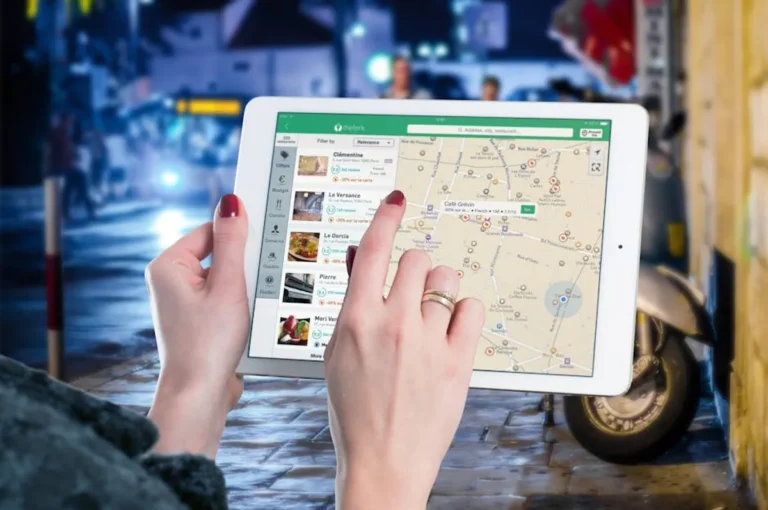
- Interactive Maps: Embedded maps with clickable points of interest, custom routes, and directions.
- Infographics: Visual summaries of complex data, like "best time to visit" charts or transportation network diagrams.
- User-Generated Content: Integrating social media feeds or showcasing traveler photos (with permission).
These elements break up text, enhance storytelling, and improve the overall user experience.
Optimizing for Discoverability and Engagement
Even the most comprehensive destination guide will fail if it isn't discoverable. Strategic optimization ensures content reaches its intended audience through search engines and other channels.
Semantic SEO and Entity Recognition
Modern search engines prioritize understanding the context and relationships between entities. For travel destinations, this means:
- Comprehensive Keyword Research: Moving beyond single keywords to long-tail phrases, related questions, and semantic clusters (e.g., for "Paris," include "Eiffel Tower tickets," "Louvre Museum hours," "best patisseries in Paris").
- Entity Salience: Clearly defining and interlinking key entities within the content (e.g., specific landmarks, historical figures, local dishes).
- Topical Authority: Covering a destination from multiple angles and linking out to other relevant, authoritative content within your site and to trusted external sources.
This helps search engines recognize your content as a definitive resource for a given destination.
Structured Data for Destinations
Implementing structured data (schema markup) is crucial for enhancing visibility in search results. For travel destinations, relevant schema types include:
LocalBusiness: For specific attractions, restaurants, or hotels.TouristDestinationorTouristAttraction: For the destination itself or key points of interest.RevieworAggregateRating: To display user reviews or ratings for specific elements.ArticleorWebPage: For the overall guide content.
Structured data helps search engines understand the nature of your content and can enable rich results, such as carousels or knowledge panels, increasing click-through rates.
Building Authority and Trust
Authority and trust are paramount in the travel niche, where decisions often involve significant financial investment. This is built through:
- Expertise: Demonstrating deep knowledge of the destination, often through author bios highlighting travel experience or local residency.
- Authoritativeness: Citing reputable sources for facts, statistics, and official information.
- Trustworthiness: Providing accurate, up-to-date information, transparently disclosing affiliations, and maintaining a secure website.
These elements contribute to E-E-A-T (Experience, Expertise, Authoritativeness, Trustworthiness) signals, which are critical for ranking in competitive niches.
Practical Application and Content Expansion
Pro Tip: When developing content for a specific travel destination, avoid simply regurgitating information found on official tourism boards or Wikipedia. Instead, focus on adding unique value through personal experience, local interviews, or a distinct narrative angle. Generic content struggles to rank and engage in a saturated market. Always ask: "What does this guide offer that no other guide does?"
Beyond individual destination guides, consider how to expand and interlink content to build a robust travel content hub. This includes:
- Creating regional guides that link to individual city/country pages.
- Developing thematic guides (e.g., "Best Foodie Destinations in Italy," "Adventure Travel in Patagonia").
- Producing comparison articles (e.g., "Paris vs. Rome: Which City is Right for You?").
- Generating "how-to" guides for specific travel challenges related to destinations (e.g., "How to Navigate Public Transport in Tokyo").
- Leveraging user-generated content and community features to foster engagement.
Actionable Next Steps
To effectively compete in the travel destinations content space, begin by conducting thorough keyword and intent research for your target locations. Prioritize creating comprehensive, multi-faceted content that addresses the full traveler journey, from inspiration to booking. Implement structured data meticulously and focus on building genuine authority through unique perspectives and factual accuracy. Regularly update and refresh existing content to maintain relevance and combat content decay, ensuring your guides remain valuable resources for prospective travelers.
Frequently Asked Questions
What is the most important factor for ranking travel destination content?
The most critical factor is relevance and comprehensiveness, coupled with strong E-E-A-T signals. Content must genuinely answer user queries thoroughly, demonstrate deep expertise, and be perceived as trustworthy by both users and search engines.
Should I focus on broad or niche travel destinations?
A balanced approach is often best. Broad destinations (e.g., "Paris") offer high search volume but intense competition. Niche destinations (e.g., "Birdwatching in the Pantanal") have lower volume but higher conversion potential due to less competition and more specific intent. A strategic mix can build authority and capture diverse audiences.
How often should travel destination guides be updated?
Travel information changes frequently (e.g., entry requirements, attraction hours, prices). Comprehensive guides should be reviewed and updated at least annually, or immediately if significant changes occur (e.g., new attractions, policy shifts, major events).
What role do visuals play in destination content?
Visuals are paramount. High-quality photography, videos, and interactive maps not only enhance user engagement and break up text but also convey the essence of a destination more effectively than text alone. They are crucial for inspiring travel and aiding decision-making.