
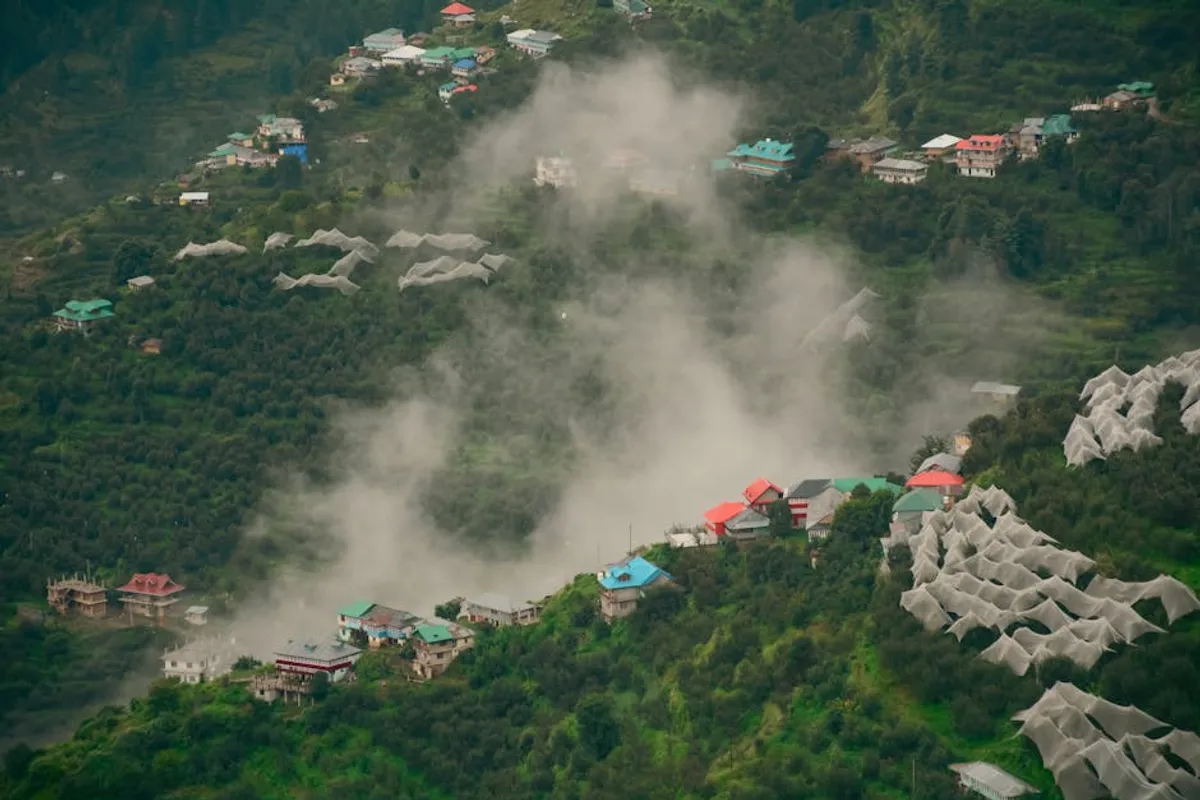
Jibhi, nestled in Himachal Pradesh's Banjar Valley, offers a distinct experience for travelers seeking respite from conventional hill station crowds. This guide details the practicalities, key attractions, and logistical considerations for planning a trip to this less-traveled destination. Unlike more developed tourist hubs, Jibhi prioritizes a slower pace, emphasizing natural immersion and local culture. This makes it particularly suitable for those prioritizing quietude, trekking, and authentic village life over bustling markets or extensive resort amenities. Understanding these core characteristics is essential for travelers to align their expectations with Jibhi's unique offering.
Understanding Jibhi's Appeal
Jibhi is characterized by its dense pine forests, traditional wooden houses, and the gurgling Tirthan River. It serves as a base for exploring the wider Tirthan Valley and parts of the Great Himalayan National Park (GHNP) buffer zone. The village itself maintains a rustic charm, with limited commercial development, which contributes to its appeal for those seeking an unplugged experience. The climate varies significantly by season, influencing activities and necessary preparations.
Getting to Jibhi: Practical Transport Logistics
Accessing Jibhi requires navigating mountainous terrain, with road travel being the primary method. Travelers should account for travel time and potential delays due to road conditions, especially during monsoon or winter.
- By Air: The nearest airport is Kullu-Manali Airport (Bhuntar), approximately 60 kilometers away. From Bhuntar, taxis are available, or one can take a local bus to Aut and then another bus or taxi towards Jibhi. The total journey from the airport can take 2-3 hours, depending on traffic and road conditions.
- By Rail: The closest major railway station is Ambala Cantt (UMB), roughly 280 kilometers from Jibhi. Chandigarh Railway Station (CDG) is another option, approximately 250 kilometers away. From either station, travelers would need to take a bus or hire a taxi for the onward journey, which typically lasts 7-9 hours.
- By Road: Jibhi is well-connected by road from major cities like Delhi and Chandigarh. Overnight Volvo buses operate from Delhi to Manali, with a drop-off point at Aut tunnel. From Aut, local buses or shared taxis are available for the remaining 30-kilometer stretch to Jibhi. Self-driving is an option, but mountain driving experience is advisable.
Accommodation in Jibhi: From Homestays to Guesthouses
Accommodation in Jibhi primarily consists of homestays, guesthouses, and a few boutique hotels, often constructed in the local Kath-Kuni architectural style. Larger chain hotels are absent, reflecting the area's focus on sustainable tourism and local immersion.
Best for cultural immersion: Homestays offer direct interaction with local families, providing insights into Himachali culture and cuisine. These typically include basic amenities, home-cooked meals, and often a more personalized experience.
Best for comfort and amenities: Guesthouses and smaller hotels provide a balance of comfort and local character, often with private rooms, attached bathrooms, and sometimes in-house restaurants. Booking in advance is recommended, especially during peak seasons (May-June, September-October).
Best for budget travelers or adventurers: Campsites are available, particularly along the riverbanks, offering a rustic experience. Some guesthouses also provide tented accommodation.
Essential Places to Explore in Jibhi and Around
Jibhi serves as a central point for exploring several natural and cultural attractions within a short distance.
Jibhi Waterfall
Located a short walk from the village center, the Jibhi Waterfall is a serene spot, accessible via a well-maintained trail. The area is characterized by lush greenery and a small wooden bridge, making it a popular, easily reachable attraction for relaxation and photography.
Serolsar Lake
A high-altitude lake near Jalori Pass, Serolsar Lake is accessible via a 5-6 kilometer trek from the pass. The trek passes through dense oak forests and offers panoramic views of the surrounding mountains. The lake is considered sacred and is associated with local folklore, attracting both nature enthusiasts and those interested in regional beliefs.
Chehni Kothi
This towering, multi-storied wooden structure is a fortified temple-tower, showcasing traditional Himachali architecture. Located in the village of Chehni, it requires a moderate trek from Jibhi or a shorter hike from a nearby roadhead. The tower stands as a historical testament to the region's craftsmanship and defensive strategies.
Jalori Pass
Situated at an altitude of 10,800 feet, Jalori Pass connects the Tirthan and Sutlej valleys. It offers expansive views and serves as a starting point for treks to Serolsar Lake and Raghupur Fort. The pass is often covered in snow during winter months, making it inaccessible then, but provides a refreshing climate during warmer seasons.
Great Himalayan National Park (GHNP) Buffer Zone
While the core zone of GHNP requires permits and specialized trekking, parts of its buffer zone are accessible from Jibhi. This area offers opportunities for birdwatching, nature walks, and experiencing the rich biodiversity of the Western Himalayas without needing extensive permits. Engaging a local guide is advisable for deeper exploration.
Activities and Experiences: Beyond Sightseeing
Jibhi's environment supports a range of outdoor and cultural activities.
Best for physical activity: Trekking and hiking trails cater to various fitness levels, from short walks to multi-day expeditions. Popular routes include those to Serolsar Lake, Raghupur Fort, and through surrounding villages.
Best for relaxation: Angling and fishing are popular activities in the Tirthan River, known for its trout. Permits are required and can often be arranged through local guesthouses.
Best for cultural engagement: Village walks and cultural immersion provide opportunities to observe local life, interact with residents, and understand traditional practices. Many homestays facilitate these experiences.
Pro Tip: Mobile network connectivity in Jibhi, especially for data, can be inconsistent. While some providers offer better coverage than others, travelers should prepare for limited internet access. Downloading offline maps and essential information before arrival is highly recommended to avoid navigation or communication issues.
When to Visit Jibhi: Seasonal Considerations
The ideal time to visit Jibhi depends on desired activities and tolerance for weather conditions.
- Spring (March-May): Pleasant weather, blooming flowers, and clear skies make this ideal for trekking and sightseeing. Temperatures range from 10°C to 25°C.
- Summer (June-August): Offers a cool escape from the plains, though July and August bring monsoon rains, which can cause landslides and road closures. Temperatures are mild, 15°C to 28°C.
- Autumn (September-November): Considered by many as the best time, with crisp air, clear views, and vibrant foliage. Post-monsoon greenery is at its peak. Temperatures range from 5°C to 20°C.
- Winter (December-February): Cold, with significant snowfall, especially in January and February. Jalori Pass often closes. Ideal for those seeking a snowy landscape and quiet retreat, but requires proper winter gear. Temperatures can drop below 0°C.
Practical Traveler Tips for Jibhi
Preparing for specific local conditions enhances the travel experience.
Connectivity: As noted, mobile network coverage is variable. Carry a power bank and inform family/friends of potential communication gaps.
Cash Availability: ATMs are scarce in Jibhi itself. The nearest operational ATMs are usually in Banjar or Aut. It is advisable to carry sufficient cash for local purchases, meals, and smaller expenses.
Packing Essentials: Depending on the season, include layers of clothing, comfortable walking shoes, rain gear (monsoon), and warm jackets (winter). A basic first-aid kit is always prudent.
Local Etiquette: Respect local customs and traditions. Dress modestly, especially when visiting temples or interacting with villagers. Avoid littering and maintain the pristine environment.
Planning Your Jibhi Escape
Jibhi offers a compelling option for travelers seeking a quieter, nature-focused Himalayan experience. Successful trip planning hinges on understanding its remote location, limited commercial infrastructure, and seasonal variations. Prioritize booking accommodation and transport, especially during peak travel windows. Embrace the opportunity for digital detox, engage with local culture, and prepare for an environment that rewards those who appreciate unspoiled natural beauty and a slower pace of life. This preparation ensures a fulfilling and authentic journey into the Tirthan Valley.
Frequently Asked Questions
Is Jibhi suitable for families with young children?
Jibhi is suitable for families who enjoy nature and light outdoor activities. However, the terrain can be uneven, and amenities for very young children are limited. Older children who appreciate trekking and quiet surroundings will find it engaging.
What are the food options like in Jibhi?
Food options are primarily local Himachali cuisine, often served in homestays or small guesthouses. Expect simple, fresh, and wholesome meals, including local vegetables, rice, and traditional breads. Limited cafes offer basic Indian and continental dishes.
Do I need to book accommodation in advance for Jibhi?
Yes, especially during peak seasons (May-June and September-October), booking accommodation in advance is highly recommended due to the limited number of guesthouses and homestays. This ensures availability and often better rates.
Are there any adventure sports or activities available in Jibhi?
While Jibhi is not a hub for extreme adventure sports, it offers trekking, hiking, and angling. River crossing, rappelling, and rock climbing might be available through specific local operators during certain seasons, but these are not widely advertised.