Embarking on a journey to witness the Northern Lights, or Aurora Borealis, is a pursuit of a natural phenomenon that demands meticulous preparation and a strategic approach. This isn't a casual sightseeing trip; it's an expedition into high latitudes where unpredictable weather and solar activity dictate success. Understanding the underlying science, selecting optimal viewing locations, and equipping oneself with specific travel knowledge are critical steps for maximizing the chances of experiencing this celestial display. This guide details the essential considerations for planning an effective Northern Lights adventure, from scientific principles to practical packing advice, ensuring travelers are well-prepared for the unique challenges and rewards of aurora chasing.
Understanding the Aurora Borealis Phenomenon
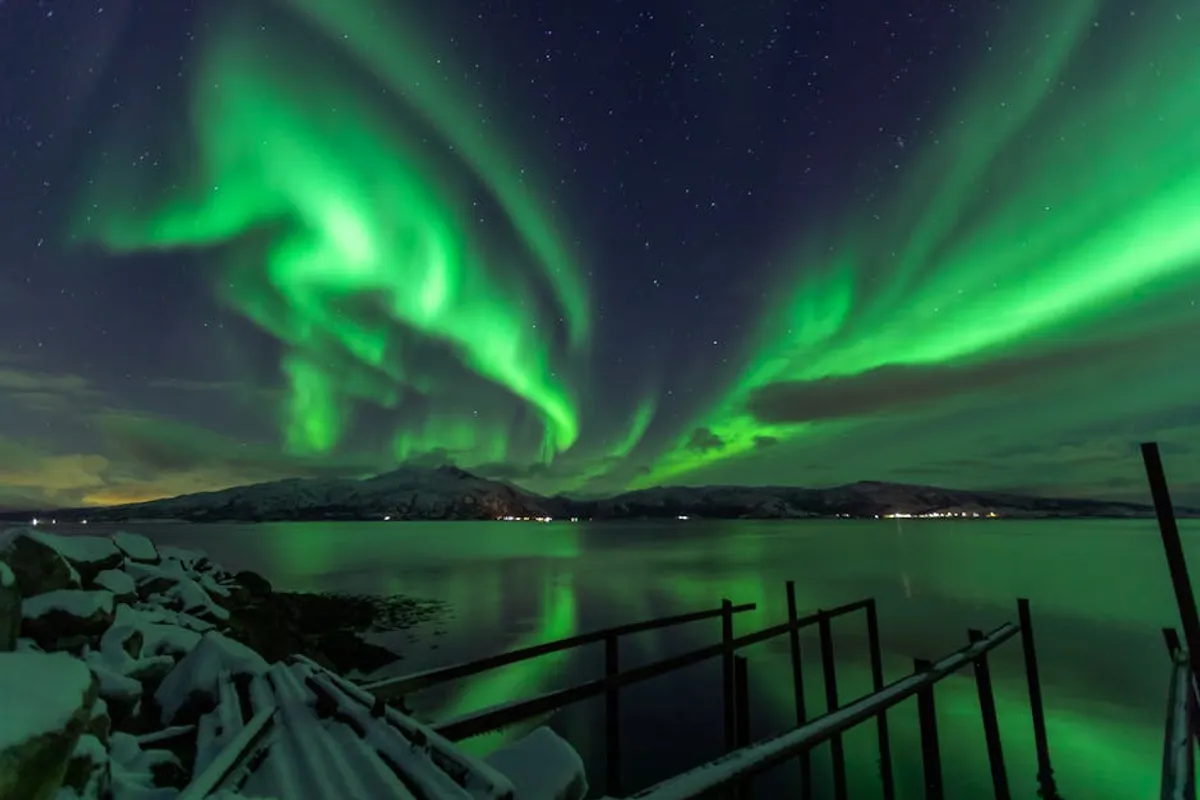
The Northern Lights originate from the interaction between solar winds and Earth's magnetic field. Charged particles, primarily electrons and protons, ejected from the sun's atmosphere during solar flares or coronal mass ejections, travel through space. Upon reaching Earth, these particles are funneled by the planet's magnetic field towards the poles. As they collide with gases in the upper atmosphere—oxygen and nitrogen—they excite these atoms, causing them to emit light. The resulting glow creates the vibrant, dancing curtains of green, pink, purple, and sometimes red light characteristic of the aurora.
Key Factors for Maximizing Viewing Opportunities
Successful aurora viewing hinges on a confluence of specific conditions:
- Solar Activity: The intensity of the aurora is directly correlated with solar activity. Geomagnetic storms, measured by the Kp-index (a scale from 0-9), indicate the strength of the disturbance in Earth's magnetic field. A Kp-index of 3 or higher generally suggests good viewing potential in auroral zones. Resources like NOAA's Space Weather Prediction Center or specialized aurora forecast apps provide real-time Kp-index predictions.
- Location: Proximity to the magnetic poles is paramount. The auroral oval, a band circling the magnetic pole, is where aurora activity is most frequent and intense. Locations within or near this oval, typically between 65 and 75 degrees magnetic latitude, offer the best chances.
- Darkness: Minimal light pollution is crucial. City lights significantly diminish the visibility of fainter auroras. Seeking out remote areas, away from urban centers, enhances the visual impact.
- Clear Skies: Cloud cover is the primary impediment to viewing. Even with strong solar activity, thick clouds will obscure the aurora. Weather forecasts are as important as aurora forecasts.
- Timing: The aurora is visible only during dark hours. This means late autumn, winter, and early spring (late August to early April) in the Northern Hemisphere are the prime seasons, as these months offer extended periods of darkness. Within those seasons, the hours between 10 PM and 2 AM local time often yield the most active displays.
Prime Northern Lights Viewing Destinations
Selecting the right destination is a strategic decision, balancing accessibility, infrastructure, and consistent viewing potential. Each region offers distinct advantages:
Scandinavia and the Arctic Circle
This region is synonymous with aurora chasing due to its high latitude and developed tourist infrastructure.
- Tromsø, Norway: Situated directly within the auroral oval, Tromsø is easily accessible with an international airport. It offers numerous guided tours (bus, boat, dog sledding) and a range of accommodation options. Its coastal location means milder temperatures but also more variable weather.
- Lofoten Islands, Norway: Known for dramatic fjords and picturesque fishing villages, Lofoten offers stunning foregrounds for aurora photography. Viewing often requires self-driving or organized tours from larger towns.
- Abisko, Sweden: Located in a rain shadow, Abisko National Park boasts a microclimate that often results in clearer skies than surrounding areas, making it a statistically reliable spot. The Aurora Sky Station offers a unique viewing platform.
- Lapland, Finland: Regions like Rovaniemi, Levi, and Saariselkä provide extensive winter activities alongside aurora viewing. Glass igloos and aurora cabins offer unique accommodation experiences, allowing viewing from indoors.
North America's Auroral Zones
These destinations offer vast, pristine wilderness and often clearer, colder conditions.
- Fairbanks, Alaska, USA: Positioned beneath the auroral oval, Fairbanks consistently offers some of the best viewing opportunities in North America. Its dry, interior climate often provides clear skies. Dedicated aurora tour operators and viewing lodges are plentiful.
- Yukon and Northwest Territories, Canada: Whitehorse (Yukon) and Yellowknife (Northwest Territories) are recognized aurora hotspots. Yellowknife, in particular, is known for its flat terrain and minimal light pollution, contributing to excellent visibility. Many tour operators provide heated viewing facilities.
Other Notable Regions
Iceland: While popular for its dramatic landscapes, Iceland's coastal weather can be highly unpredictable, leading to frequent cloud cover. However, when conditions align, the aurora against Iceland's unique geology is spectacular. Viewing often requires driving away from Reykjavik's light pollution.
Greenland: Offers some of the most pristine and intense aurora displays due to its remote, high-latitude location. Travel here is more expeditionary and costly, often involving flights to small settlements like Kangerlussuaq or Ilulissat.
Essential Travel Tips for Aurora Chasers
Proper preparation extends beyond choosing a destination; it involves practical considerations for comfort, safety, and maximizing your viewing success.
Clothing and Gear
Sub-zero temperatures are common in prime aurora viewing regions. Layering is critical:
- Base Layers: Moisture-wicking synthetics or merino wool.
- Mid-Layers: Fleece or down for insulation.
- Outer Layers: Waterproof and windproof jacket and pants.
- Extremities: Insulated, waterproof boots (rated for -20°C or colder), wool socks, thermal mittens (with glove liners), and a warm hat that covers the ears. Hand and foot warmers are also advisable.
Photography Essentials
Capturing the aurora requires specific equipment and settings:
- Camera: DSLR or mirrorless camera with manual settings.
- Lens: Wide-angle lens (14-24mm) with a fast aperture (f/2.8 or wider).
- Tripod: Essential for long exposures.
- Remote Shutter Release: Prevents camera shake.
- Extra Batteries: Cold drains batteries quickly. Keep spares in an inside pocket.
- Settings: Manual focus to infinity, high ISO (1600-6400), wide aperture, and shutter speeds from 5-25 seconds depending on aurora intensity.
Pro Tip: Always practice your night photography settings and manual focusing techniques before your trip, ideally in a dark environment. Fumbling with camera settings in sub-zero temperatures with gloved hands can be frustrating and lead to missed shots. Familiarity with your equipment will significantly improve your chances of capturing compelling aurora images.
Logistics and Flexibility
Accommodation: Consider booking accommodation outside of city centers to minimize travel time to dark skies. Many remote lodges or cabins specialize in aurora viewing.
Transportation: Renting a 4x4 vehicle provides flexibility for chasing clear skies, but be prepared for winter driving conditions. Alternatively, guided tours offer expert knowledge and safe transport.
Patience: The aurora is a natural phenomenon, not a scheduled event. Be prepared for multiple nights of waiting, and embrace the experience even without a guaranteed sighting. Flexibility in your itinerary allows for adapting to weather changes.
Preparing for Your Northern Lights Expedition
A successful Northern Lights trip is built on comprehensive planning. Book flights and accommodation well in advance, especially for popular destinations during peak season, as availability can be limited and prices higher closer to departure. Research local tour operators if you prefer guided experiences, verifying their safety records and inclusion details. Consider travel insurance that covers extreme weather delays or medical emergencies, given the remote nature of some viewing locations. Continuously monitor both aurora forecasts and local weather predictions in the days leading up to and during your trip. While the aurora is the primary draw, also explore daytime activities like dog sledding, snowmobiling, or ice fishing to enrich your overall Arctic experience. Engaging with local culture and cuisine can also enhance the journey, providing a more holistic understanding of the region you are visiting. This proactive approach ensures you are ready for both the spectacle and the environment.
Frequently Asked Questions
When is the best time of year to see the Northern Lights?
The prime viewing season is from late August to early April. During these months, the nights are long and dark enough to see the aurora. The equinoxes (September and March) are sometimes cited as periods of increased activity due to specific solar wind patterns.
Do I need special equipment to see the Northern Lights?
No special equipment is needed to *see* the aurora with the naked eye, assuming conditions are good. However, warm winter clothing, insulated boots, and a hat are essential for comfort during extended outdoor viewing. For photography, a DSLR/mirrorless camera, a wide-angle lens, and a sturdy tripod are highly recommended.
Can I see the Northern Lights from a city?
While exceptionally strong auroras can sometimes be visible from cities, light pollution significantly diminishes their intensity and visibility. For the best experience, it is highly recommended to travel at least 30-60 minutes away from major urban centers to areas with minimal artificial light.
How long do the Northern Lights displays typically last?
The duration and intensity of aurora displays vary greatly. They can range from faint glows lasting a few minutes to spectacular, dancing curtains that persist for several hours. Patience is key, as activity often ebbs and flows throughout the night.